


FIFA World Cup Brings Focus on Labor Rights in Kansas City
Labor and human rights concerns have been a recurring theme for FIFA and the World Cup, and the upcoming 2026 Games will continue this trend with heightened international scrutiny on Kansas City.
Activists in Kansas City are seizing the opportunity presented by the global attention on soccer to spotlight critical issues such as worker rights, social inequality, and immigrant safety within the host cities.
Local activist Tay Castillo emphasized community support, stating, “Immigrants are in our community. They’re our friends. They’re our neighbors. We’re going to support them in any way we can.”
Businesses Rally Behind Immigrant Rights Initiatives
The Monarch Pledge is a key initiative urging Kansas City businesses to commit to supporting immigrant rights. In partnership with a global network of organizations advocating for labor and immigrant rights, Kansas City Human Rights aims to create a more inclusive environment during the 2026 FIFA World Cup.
More than 20 local businesses have already embraced the Sovereign Covenant, a public declaration of solidarity with immigrant rights, proudly displaying logos featuring a monarch butterfly—a powerful symbol of migration.
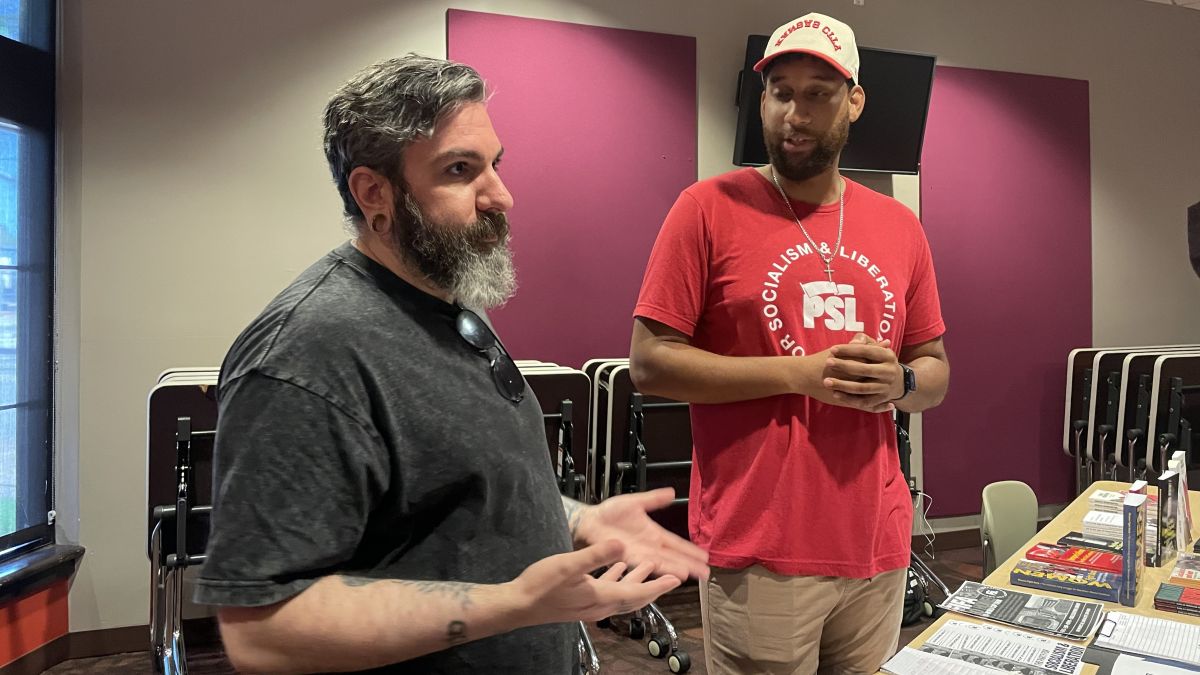
Alongside Castillo, numerous local organizations including Decarcerate KC and the Party for Socialism and Liberation (PSL) are mobilizing efforts to safeguard the rights of immigrants and other marginalized groups throughout the World Cup.
Monarch Pledge Drives Community Engagement
The Monarch Pledge serves as a prime example of how Kansas City aligns itself with a broader global movement advocating for low-wage workers, union members, and immigrants. The area and neighboring Lawrence, Kansas, are set to host four World Cup team base camps and several matches at Arrowhead Stadium, renamed Kansas City Stadium for the event.
Activists recently participated in a virtual press conference to connect with organizers from other host cities, including several in Mexico. Supporters from Los Angeles highlighted their focus on SoFi Stadium, where a potential strike emerged amid contract negotiations between unionized workers and stadium management.
Labor Disputes and Legal Challenges Emerge
In Kansas City, the public employees’ union has taken legal action against the city to address overtime and other obligations related to the World Cup. Officials from AFSCME Local 500 argue that the city has failed to engage in necessary negotiations with the union over changes affecting workers.
Meanwhile, legislation in Texas aimed at categorizing unauthorized entry into the U.S. as a state crime has raised alarms among immigrant rights activists. Concerns center on potential racial profiling and undermining federal immigration enforcement. Despite pending legal challenges, Act SB4 of 2023 went into effect on May 29.
Community Health Advocates Address Broader Issues
In Mexico City, advocates have begun organizing to pressure the government to address the unsettling issue of over 133,000 missing persons. Jennifer Lee, director of the Center for Community Health Innovation at Georgetown Law O’Neill Institute, hosted a virtual conference to discuss these pressing matters faced by residents in host cities across North America.
“Our goal is to listen directly to those most affected by the World Cup—workers and residents in the host cities—who experience the events’ real impact,” Lee remarked.
Monitoring Worker and Immigrant Rights
Efforts to ensure compliance with worker and immigrant rights during the World Cup include the Dignity 2026 scorecard, which will be maintained by the O’Neill Institute. This initiative seeks to evaluate conditions for workers and immigrants in host cities through community feedback.
Complementing this initiative is “No ICE in the Cup,” a campaign opposing U.S. Immigration and Customs Enforcement actions at World Cup events. In collaboration, local artists have created artwork to raise awareness about this issue and promote the message of inclusivity and safety for all.
Activism Continues Beyond the World Cup
The Monarch Pledge exemplifies the commitment to supporting the rights and dignity of immigrants in the Kansas City area, especially as World Cup visitors arrive. Activism here has been amplified by the backdrop of the Trump administration’s aggressive immigration policies, prompting local groups to disseminate “Know Your Rights” information to immigrant communities.
Business owners have generally been receptive to the initiative, with early adopters including Blip Coffee Roasters and Cru Bistro & Bottles. The pledge proclaims a commitment to fostering communities free from the influence of ICE and supports the pursuit of a dignified and peaceful future for all.
Addressing Inequities in the Community
Activists like Amaia Cook from Decarcerate KC have voiced concerns about local government priorities, arguing that the city appears more interested in accommodating World Cup visitors than addressing the needs of its residents. The construction of a temporary prison has sparked criticism, as it reflects a greater issue of resource allocation in favor of the event over community welfare.
The growing economic divide continues to impact local residents, a trend highlighted by growing wealth concentration among the top 1%. Activists assert that the World Cup represents a unique chance to address embedded issues of civic and economic disparity starkly affecting marginalized communities.
Nate Davis from the PSL expressed hope that the World Cup could serve as a platform for activism and social change, emphasizing the need to reconnect the celebration of soccer with the realities faced by local families and immigrant communities.
