


Africa’s Telecom Sector Struggles with Rising Diesel Costs
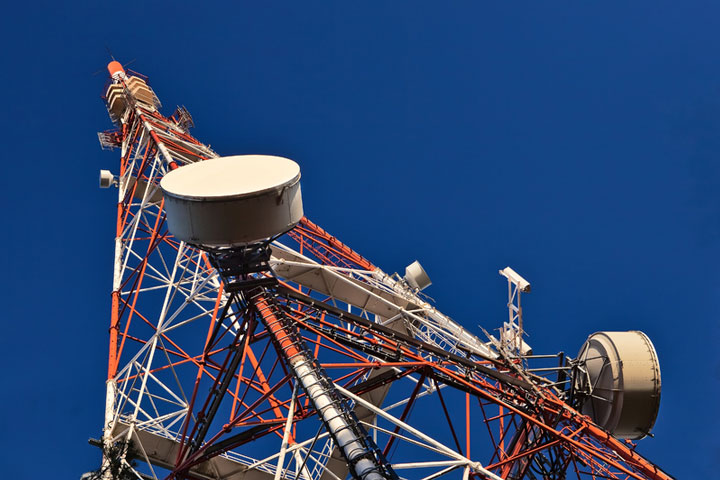
African telecom operators are grappling with escalating operational challenges as diesel prices soar, a consequence of geopolitical tensions in the Middle East. The GSMA industry group reports that fuel price hikes, coupled with supply chain difficulties, are complicating network operations for mobile carriers across the continent. Approximately 500,000 communication towers in Africa remain heavily reliant on diesel generators, particularly in rural regions where reliable electricity is scarce. As global fuel costs rise, so too do the operational expenses associated with maintaining connectivity for millions of users.
For consumers, increased diesel prices could translate into higher mobile service charges, delayed network expansions, and ongoing connectivity issues in underserved areas. For telecom companies, the financial impact is profound. Many towers continue to operate on diesel, making each uptick in fuel prices a direct hit on profitability and spurring an urgent shift toward solar energy solutions.
The financial repercussions are already evident throughout the industry. MTN Nigeria has warned that sustained diesel price increases could lead to a reduction of its EBITDA margin by approximately 1.8 to 2.0 percentage points. Similarly, Airtel Africa has flagged fuel inflation as a significant threat to profitability. Companies like Vodacom, which burned through over 73 million liters of diesel in FY25, are now turning to fuel hedging and other strategies to mitigate rising energy costs. This highlights the precarious nature of African carriers’ reliance on diesel and their vulnerability to fluctuating fuel prices.
The situation is particularly bleak in Nigeria, where the government’s elimination of fuel subsidies in 2023 caused diesel prices to surge by 200%, dramatically inflating operational costs for telecom infrastructure. Operators are now compelled to spend millions annually to keep their networks powered. Unlike previous instances of local policy-induced crises, this time the challenge is a global fuel shock impacting numerous African nations at once, particularly those dependent on fuel imports with limited reserves.
The tightening market conditions can be traced back to early 2026, coinciding with escalating conflicts involving the US, Israel, and Iran, which have strained global oil markets. African countries, often reliant on fuel imports, find themselves particularly affected by these developments. As the telecommunications sector’s dependence on diesel becomes increasingly apparent, operators are hastening their transition to alternative energy sources. Solar-powered communication sites are no longer regarded merely as sustainability projects; they are now seen as essential to business continuity.
MTN has reported considerable fuel savings at its solar-powered facilities in South Sudan, while Airtel Africa has effectively reduced diesel usage via renewable energy partnerships. Additionally, Safaricom has raised over $150 million through green bonds to accelerate its energy transition. Nevertheless, scaling these initiatives is a formidable challenge. With vast numbers of towers still reliant on diesel, transitioning to solar or hybrid solutions will require billions in investments. While the ongoing conflict in the Middle East has not created Africa’s energy dilemma, it has undeniably intensified the urgency for solutions.
TaxInfo Revolutionizes Tax Conversations in Nigeria

As discussions surrounding Nigeria’s tax reforms gained traction on social media, the dialogue quickly spiraled into confusion. Amidst the chaos of rampant opinions and misleading rumors, software engineer Abidemi Adetula saw an opportunity for clarity. This led to the creation of TaxInfo, a platform designed to simplify tax policy into everyday language and translate it into multiple local dialects, making critical information accessible to a broader audience.
Adetula’s journey toward founding TaxInfo originated from his lifelong curiosity about technology. Initially captivated by innovations such as infrared sharing and Bluetooth, he evolved from an enthusiast to a creator, spending hours in cyber cafes to deepen his understanding of the internet. This passion culminated in a degree in computer engineering, where he began experimenting with web development and eventually launched his first blog in 2015, inspired by platforms like Nairaland and Linda Ikeji’s blog.
A turning point in Adetula’s career came in 2019 when he landed his first international client. Doubts about his abilities were overshadowed by the client’s belief in him, which ultimately bolstered his confidence and opened doors to various projects in e-commerce, web development, and digital services. Gradually, he transitioned from merely creating websites to addressing real-world problems for actual clients.
This problem-solving ethos laid the groundwork for TaxInfo, which launched in November 2025. The platform offers more than just tax explanations; it simplifies complex concepts into English, Pidgin, Hausa, Yoruba, and Igbo, while also providing tools like calculators and FAQs, alongside an AI assistant to enhance user understanding. With thousands already using the platform, TaxInfo is quickly establishing itself as the go-to resource for tax clarity in Nigeria.
IQSTEL Invests in Ghana’s Ultranet Telecom
American multinational technology firm IQSTEL is making a significant investment in Africa. On June 4, the Nasdaq-listed company announced a binding agreement to acquire a 51% controlling stake in Ghana-based Ultranet Telecom Group. This acquisition is anticipated to boost annual revenue by about $130 million and net income by $4.5 million, pushing IQSTEL’s annual revenue run rate beyond $500 million. Regulatory approvals from both Ghana and Nigeria are still pending, aiming for completion by the third quarter of 2026.
What makes Ultranet exceptionally valuable isn’t merely its brand visibility but its underlying infrastructure. The company holds exclusive international SMS gateway agreements with mobile operators across Africa, allowing it to route international SMS traffic. These contracts are challenging to secure and maintain, generating recurring revenue from essential communications such as bank alerts, one-time passwords, and government notifications.
Founded in 2015 by former banker Raymond Oppong-Dapaah, Ultranet has evolved from a startup generating $4 million in revenue to a company with an annual valuation exceeding $100 million. It’s specialized in communications security and traffic management solutions, including SMS firewalls and fraud prevention tools. Ultranet’s growth has largely occurred organically, bypassing the high-profile funding typical of tech startups.
The timing of this acquisition underscores the burgeoning importance of Africa’s application-to-person (A2P) SMS market. As mobile money, fintech, e-commerce, and digital government services proliferate across the continent, the volume of transactional SMS traffic is expected to rise dramatically. IQSTEL already operates in 21 countries and maintains over 600 carrier connections globally, and envisions expanding Ultranet’s platform into Middle Eastern and Asian markets.
This deal, however, raises questions for investors. With a market capitalization of around $7.75 million, IQSTEL aims to gain control of a company projected to generate $130 million in revenue. While IQSTEL has shown strong sales growth and improved profitability metrics, it operates on razor-thin margins. The next two years will be pivotal in determining whether Ultranet’s exclusivity and recurring revenue can translate into sustainable profitability rather than just revenue growth.
