


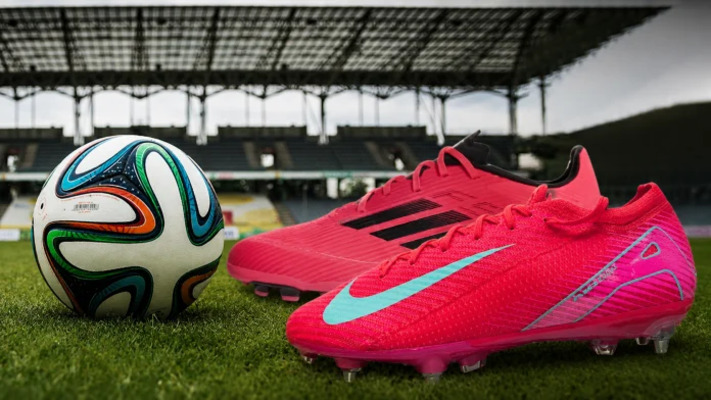
Commercial Battleground of the 2026 FIFA World Cup
The 2026 FIFA World Cup is shaping up to be more than just the pinnacle of soccer; it has emerged as a critical arena for sports apparel giants Nike and Adidas. Both companies are leveraging the tournament to enhance their sales and capitalize on the surge of soccer’s popularity in the United States.
With matches scheduled in 11 American cities, the two brands are deploying millions of dollars towards expansive marketing campaigns, sponsorship deals, and fan engagement initiatives. The World Cup presents an unprecedented chance to amplify soccer merchandise sales in one of the most lucrative sports markets, an opportunity that has not been seen in over three decades.
Soccer’s rapid growth in the U.S. has been fueled by the rise of Major League Soccer (MLS) and an increased interest in international competitions. Current statistics indicate that over 62 million people in the U.S. follow soccer, positioning the country as home to the fourth-largest soccer fan base worldwide, according to Nielsen data.
Nike and Adidas Compete for World Cup Customers
While brands like Puma, Umbro, and Reebok are also seeking to capitalize on the event, none match the investment levels of Nike and Adidas. Nike is the sponsor of 12 national teams at the World Cup, while Adidas supports 14. Both companies have launched extensive marketing initiatives in the U.S., Canada, and Mexico, introducing limited edition boots, jerseys, and training apparel alongside high-profile advertising featuring some of soccer’s biggest stars.
The stakes for these brands are elevated, as success at the World Cup extends beyond the outcomes on the field; it revolves around winning over consumers. Nike’s global vice president and general manager of soccer, Camilo Andrade, emphasizes the tournament’s importance, stating it significantly accelerates growth for the brand.
Adidas Shares a Similar Perspective
Adidas also recognizes the immense potential of the World Cup. Chris Murphy, Adidas’ senior vice president of brand marketing, asserts that the tournament’s significance cannot be overstated, and highlighted the enormous impact it could have on their brand visibility and consumer engagement.
Nike’s Resurgence Tied to World Cup Performance
The tournament carries even greater significance for Nike as it works to revitalize sales following a challenging period. The brand has faced challenges since 2024, partly due to an overemphasis on lifestyle products at the expense of the technical performance footwear that originally established its reputation. Under CEO Elliott Hill, Nike has made soccer a fundamental aspect of its recovery strategy alongside basketball and running.
Hill views the World Cup as a critical proving ground, stating that the competition represents one of the toughest battlegrounds in sports where the brand will strive to excel.
Adidas Aims to Strengthen Existing Momentum
In contrast to Nike’s need for recovery, Adidas is experiencing consistent growth. The German sportswear manufacturer reported impressive sales increases in both lifestyle and performance products earlier this year and anticipates continued revenue growth through 2026. Chief Financial Officer Harm Ohlmayer emphasized the World Cup as an exceptional opportunity to solidify the brand’s global standing.
With decades of experience as the official supplier of World Cup balls and equipment and ties to many of soccer’s leading players, Adidas is poised to leverage its history to further enhance brand visibility during the tournament.
Capitalizing on a Booming Soccer Market
For both Nike and Adidas, the FIFA World Cup in 2026 is far more than just a month-long event; it represents a pivotal opportunity to convert millions of casual American viewers into loyal soccer consumers. As jersey, footwear, and fan merchandise sales continue to rise, it is evident that the World Cup is set to provide a historic financial boon for the sports apparel sector as the tournament progresses toward its thrilling conclusion.
