


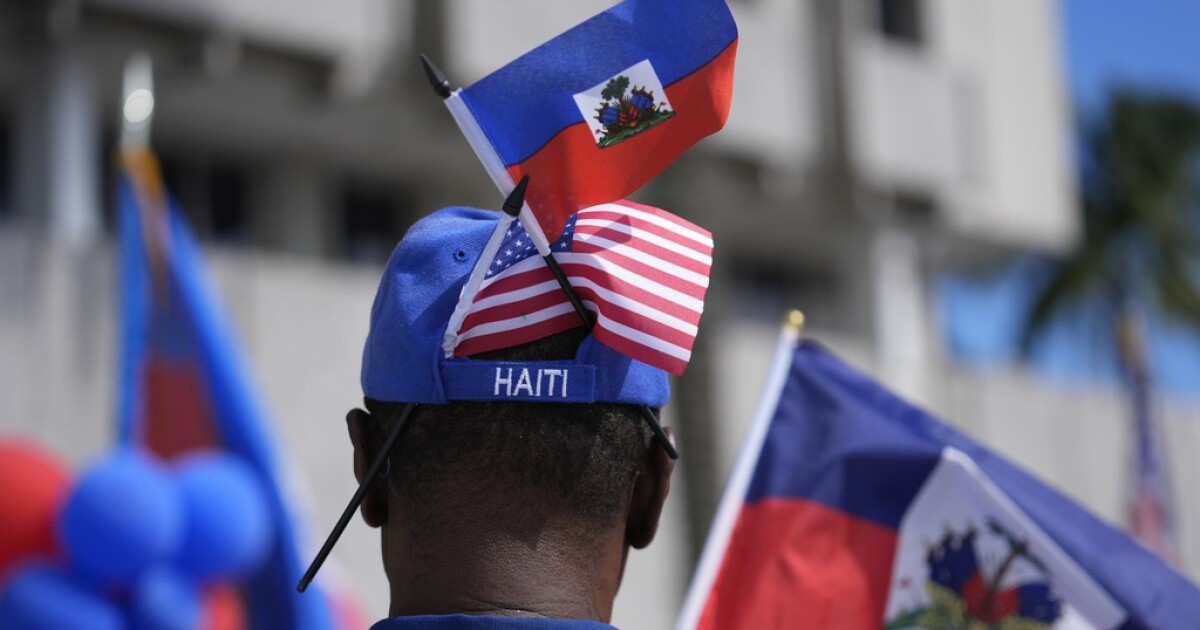
Supreme Court Decision Impacts Haitians Under Temporary Protected Status
On June 25, 2026, the U.S. Supreme Court ruled that the Trump administration could revoke the Temporary Protected Status (TPS) for approximately 350,000 Haitians. This ruling is significant for many, as it raises critical questions about the future of these migrants in the United States.
Legal Challenges to TPS and Its Implications
This isn’t the first legal battle concerning TPS; during his first term, President Trump sought to terminate TPS for Haitians but was halted by a federal district court ruling. With the recent Supreme Court ruling, the administration seems intent on facilitating the return of these migrants to Haiti, which introduces a layer of uncertainty for families who have relied on TPS for years.
Uncertainty for Haitian Families
Haitian families living under TPS now grapples with pressing concerns regarding their ability to work, support their families, and plan for their futures. Recent research highlights that such migration-related stress can disproportionately affect Haitian women, compounding the already significant challenges they face.
Personal Insights from a Public Health Researcher
As a Haitian public health researcher, I can attest to the profound impact of this decision from two perspectives—academic insight into how it affects mental health and resilience among Haitian women and personal experiences witnessing the ramifications of U.S. immigration policies. These personal narratives reveal that immigration decisions extend far beyond legal documentation; they influence the daily lives of families in terms of rent, employment, childcare, and remittances.
The Role of Haitian Women in Community Resilience
Many TPS holders have lived in the U.S. for years, with some arriving after the catastrophic 2010 earthquake that devastated Haiti. Florida, home to nearly half of the 1.1 million Haitian immigrants, plays a crucial role in this story, particularly in counties like Broward, Miami-Dade, and Palm Beach where these communities thrive.
Haitian women often serve as the “poto mitan,” or central pillars, of their families and communities. They balance numerous responsibilities: raising children, providing financial support, and actively participating in their communities. The Supreme Court’s ruling now jeopardizes the stability of their families and disrupts the social fabric they have worked diligently to maintain.
Emotional and Financial Burdens Amid Uncertainty
For many Haitian women, the ruling intensifies existing pressures. They now face difficult choices regarding their U.S.-born children—whether to risk returning to Haiti, where there are potential safety concerns and educational disruptions, or keeping their children in the U.S. without their parents. In my research with climate-displaced communities in Haiti, I found that anxiety about children’s health and safety is a significant source of stress for these mothers.
The Broader Impact on Mental Health
Extensive studies reveal that the stress associated with migration can stem from financial instability, language barriers, discrimination, family separation, and other challenges that disrupt daily life. Despite the resilience many show, the pressures of responsibility can lead to feelings of guilt, worry, and fatigue. While research indicates that Haitian women experience heightened migration-related stress compared to their male counterparts, further investigation is needed to understand the health impacts of TPS uncertainty specifically on women. The cumulative stress could affect their mental and physical well-being, exacerbated by the conditions faced in Haiti.
Concerns About Returning to Haiti
For many, the idea of returning to Haiti brings forth serious safety issues. Over the last decade, the nation has endured natural disasters, political instability, economic challenges, and increasing gang violence. By March 2026, over 1.4 million people had been displaced due to violence. For many families, returning home is not only impractical but poses substantial risks, particularly for women and girls who are vulnerable to gender-based violence.
Navigating a Complex Future
The loss of TPS adds further strain to the already heavy emotional burdens borne by Haitian women responsible for their families. Their leadership and commitment are vital to the communities they serve, yet the Supreme Court’s ruling has left families with urgent decisions about their safety, employment, childcare, and maintaining familial ties across borders. Ultimately, the responsibility for managing these uncertainties will likely fall heavily on Haitian women, compelling them to navigate a complex and challenging future.
