


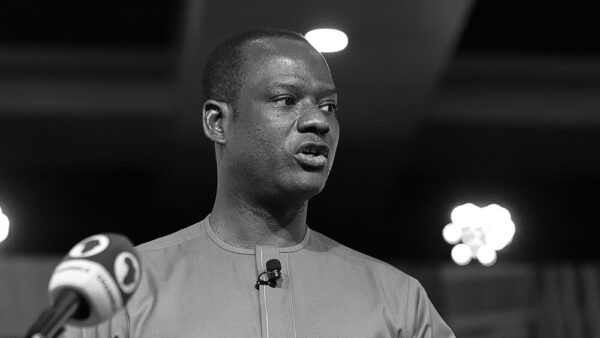
Economic Outlook for Nigeria Following New Finance Minister’s Appointment
Economic analysts are assessing Nigeria’s financial trajectory following the recent appointment of Taiwo Oyedele as the new Minister of Finance and Coordinating Minister. Experts highlight Oyedele’s extensive background and proven track record as significant assets likely to shape his effectiveness in this critical role.
The cabinet reshuffle took place on Tuesday, with the dismissal of former Finance Minister Wale Edun and the subsequent elevation of Oyedele, who previously served as the chairman of the Presidential Committee on Fiscal Policy and Tax Reform, which has been overseeing an essential tax reform initiative effective from January 1.
President Bola Tinubu appointed Oyedele as Minister of Finance on March 16, commending his professionalism in managing the work of the Tax Reform Commission. Oyedele’s rapid promotion to this pivotal position surprised some observers; however, many experts assert that it was anticipated and strategically planned.
Muda Yusuf, CEO of the Center for the Promotion of Private Enterprise (CPPE), emphasizes Oyedele’s extensive experience in finance, which positions him strongly to tackle Nigeria’s pressing fiscal and economic challenges, particularly in budget execution, debt management, and addressing the fiscal deficit. Yusuf pointed out that Oyedele’s insights into governmental financial management will facilitate efficient administration within the Ministry of Finance.
According to Yusuf, the president has been impressed by Oyedele’s performance in coordinating tax reform efforts, underscoring the significant responsibilities he will now undertake. The new minister’s capacity to improve public finance management, ensure effective budgeting, and streamline debt oversight will be crucial in achieving fiscal consolidation.
Yusuf further noted that revenue generation has emerged as a substantial challenge for the current administration. Given Oyedele’s adeptness in fiscal matters, he is expected to excel in mobilizing revenue while working closely with other economic ministries to foster effective policy outcomes. Despite recognizing potential gaps in Oyedele’s fiscal policy expertise, Yusuf highlighted the robust support available within the department to bolster his initiatives.
Amidst early optimism regarding Oyedele’s appointment, Yusuf also voiced concerns about the political complexities inherent in the role. As a technocrat, navigating the political landscape and collaborating with lawmakers will be vital for effective governance. This sentiment was echoed by economist and development expert Aliyu Ilias, who emphasized that Oyedele’s diverse background has well-prepared him for the challenges ahead. Ilias noted that Oyedele’s past involvement in tax administration uniquely positions him to drive revenue generation and fiscal oversight within the ministry.
However, effective budgeting remains a critical area requiring immediate attention. Ilias highlighted that the government’s performance in recent years has been subpar in this regard, reinforcing the need for thorough budget allocation and management. He cautioned that the political dimensions surrounding budget approval are significant, suggesting that Oyedele must navigate these challenges adeptly to fulfill his responsibilities successfully. He expressed confidence that with proper guidance and the establishment of strong inter-ministerial relationships, Oyedele could achieve the objectives for fiscal improvement.
As Oyedele steps into his new role, his educational credentials, including studies at Yaba University of Technology and Oxford Brookes University, along with executive training at prestigious institutions such as the London School of Economics and Harvard Kennedy School, solidify his expertise. With over two decades of experience at PricewaterhouseCoopers (PwC), culminating in his position as Fiscal Policy Partner and Africa Tax Leader, Oyedele is now poised to bring significant insights to Nigeria’s financial landscape.
