


This Year’s Tournament Ball Showcases Enhanced Features
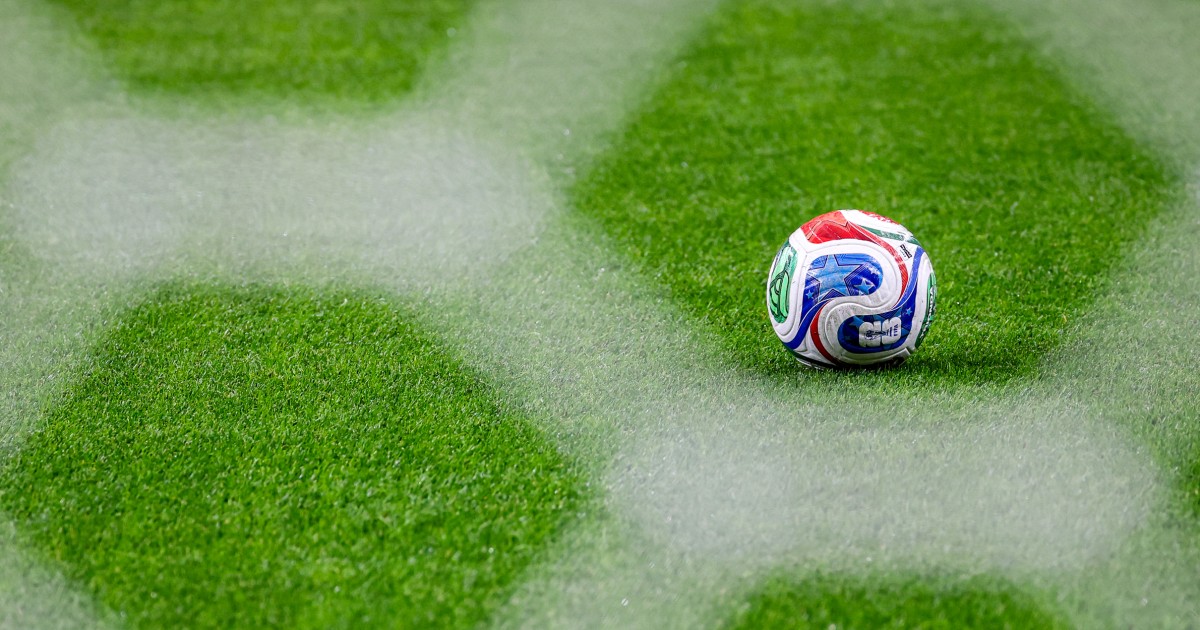
The new ball, Trionda, distinguishes itself from its predecessor with a unique panel configuration consisting of just four panels, along with an embedded microchip designed for data transmission. Despite these innovations, researchers suggest that the ball’s flight characteristics remain largely consistent with previous World Cup balls and those used in various professional leagues.
John Eric Goff, a professor at Purdue University’s Sports Engineering Center, has been evaluating World Cup balls since 2010, when the Jabulani made headlines for its unpredictable trajectory during the South African World Cup. Goff notes that Trionda is well-balanced and exhibits similar aerodynamic properties to balls utilized in the English Premier League.
Andy Haaland, a sports technology professor at Loughborough University in the UK and an advisor to brands and leagues producing professional soccer balls, points out that modern balls are more uniform than those of previous decades, which were often handmade from various natural materials. This uniformity enhances consistency in play.
Haaland also emphasizes that players’ perceptions of the ball can significantly influence the game. For athletes, attributes such as color and sound are essential for interpreting spin and speed. Nevertheless, players have shown the ability to adapt quickly, drawing from their experiences with different balls across various leagues and tournaments.
Goff asserts that while it is tempting to attribute performance issues solely to the ball, players today are less likely to single it out compared to past tournaments. Experts highlight the substantial evolution of sports technology, which has enabled teams to play with more strategic finesse, backed by increased investments in cohesive athletic coordination and superior training facilities.
Challenges Posed by Diverse Playing Conditions
All matches during the World Cup will be conducted on turf installed over concrete floors, diverging from the conventional turf found in American football stadiums. Haaland notes that advances in soccer field quality have significantly reduced the risks of muddy conditions typical of the 1970s, leading to more balanced gameplay and controlled environments.
However, host cities across North America are grappling with extreme heat, which risks drying out the playing surfaces. In contrast, other cities are facing high humidity levels, potentially hindering player performance. Goff recalls the U.S.-Turkey game in Los Angeles, where multiple players experienced slips and falls due to the playing conditions.
Altitude also plays a role in ball dynamics. Goff explains that higher elevations decrease air density, resulting in the ball seemingly moving faster. Nonetheless, any notable differences in scoring between high-altitude cities like Mexico City and sea-level locations such as Seattle and Miami remain unverified.
As the tournament progresses into its final rounds, audiences may anticipate a continuation of high-scoring games. Historically, the majority of goals have been netted during the group stages, although recent competitions have also seen notably elevated scoring rates in subsequent matches.
