


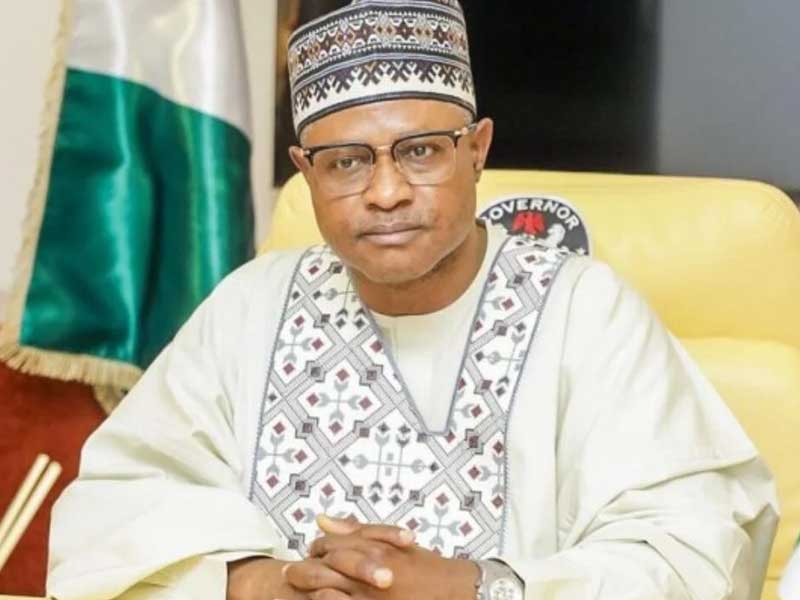
Governor Uba Sani Highlights Kaduna’s Potential Amid Challenges
Kaduna State Governor and Senator Uba Sani has acknowledged that his administration has inherited a state rich in potential but facing significant challenges, including security issues, inadequate infrastructure, and poor social indicators requiring immediate intervention.
Workshop Encourages Strategic Communication for Improved Governance
He shared these insights during a workshop for government officials, organized by the Nigeria Institute of Public Relations (NIPR), as part of the “Clock City 2026” public relations week held in Kaduna.
Progress in Kaduna: A Vision for the Future
Themed “From Policy to Public Trust: Strategic Communication for Vision Alignment and Governance Realization for New Hopes,” the event encouraged a dialogue on improving governance and public service communication. Sani emphasized the transformative changes in Kaduna, stating, “Kaduna today is a much better place,” and he highlighted the state’s journey toward achieving greater milestones.
Accountability and Measurable Results in Governance
Sani elaborated on his administration’s commitment to surpassing incremental reforms by adopting a governance model that prioritizes measurable results and accountability. He noted that a performance framework anchored in key performance indicators has been institutionalized to ensure that government ministries, departments, and agencies operate with clear objectives and accountability.
Seven Pillars for Sustainable Development
The governor’s agenda focuses on seven key pillars: security, infrastructure development, institutional strengthening, trade and investment, agriculture, human capital development, and public participation. He explained that these interconnected pillars aim to foster comprehensive development and reposition Kaduna for sustainable growth.
Security Initiatives and Agricultural Recovery
On the topic of security, Sani highlighted efforts to collaborate with federal authorities to establish military bases in troubled areas such as Giwa and Birnin Gwari, viewing these initiatives as crucial for development. He reported enhanced logistical support and noted that the Joint Task Force has successfully reduced crime rates in the city center.
Support for Displaced Persons and Educational Advancements
The governor also shared that over 20,000 hectares of agricultural land have been reclaimed, enabling farmers to resume production in previously hard-hit regions. His administration has resettled more than 1,000 displaced individuals and is actively aiding over 117,000 internally displaced persons, particularly focusing on women and children. In the education sector, Sani announced the construction of 736 classrooms and the hiring of 10,000 new teachers, alongside the training of over 33,000 staff members.
