


Eliminating Real-World Bottlenecks
Despite the persistent allure of artificial intelligence (AI) often characterized by hype and ambiguity, for founders, it remains a pragmatic tool designed to process vast amounts of unstructured data, analyze intricate variables, and streamline fragmented local markets that have suffered from inefficiencies for years.
Between March and June, we integrated 15 teams with cutting-edge Google technology and seasoned global engineering experts. Our aim was straightforward: to furnish the essential technical infrastructure and expertise that would alleviate the complexities associated with scaling operations.
At Google, we see ourselves as strategic support partners. This approach is why we implement a hybrid model that combines equity-free assistance with direct access to Google services, ensuring these founders obtain tailored guidance and resources crucial for their success.
Class 10 Graduates Reshaping Industry Standards
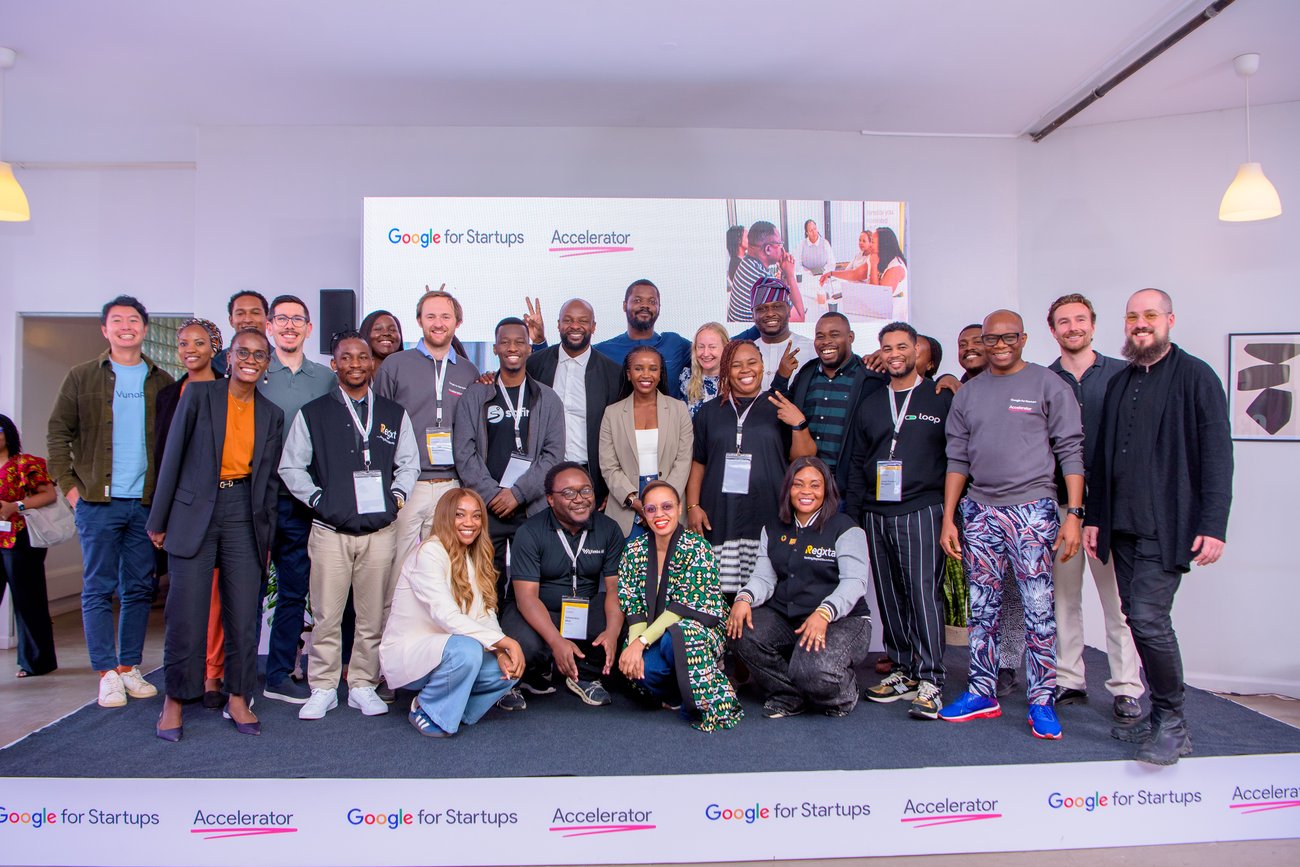
The latest cohort of graduates attracts some of the most promising growth-stage venture companies from eight countries, including Nigeria, Kenya, South Africa, Uganda, Tanzania, Senegal, Ivory Coast, and Angola. Innovators from East Africa are making strides across various key sectors such as fintech, mobility, healthtech, agritech, and SaaS.
Among the notable ventures are Koamana from Kenya, which employs AI to analyze real-time data, assisting businesses and governments in visualizing and tracking informal and traditional food supply chains. Duck, also from Kenya, equips consumer brands with real-time floor data intelligence to mitigate retail stock-outs. ReportsAI, another Kenyan innovator, converts unstructured data into compliance-ready reports for impact-driven organizations.
VunaPay from Kenya is addressing payment delays by providing fintech data infrastructure tailored specifically for agricultural cooperatives, while Safiri from Tanzania is working to establish a digital framework that enhances transportation, logistics, and tourism experiences across Africa. Emaisha Pay of Uganda is focused on facilitating agricultural trade settlements and embedding financing options to boost agricultural productivity.
In West and Central Africa, teams like Bani from Nigeria are busily constructing cross-border payment infrastructures designed for African businesses. MasteryHive AI, also from Nigeria, is delivering AI-based solutions for transaction reconciliation and anti-money laundering, while Regxta utilizes alternative data for credit scoring to unlock financing for unbanked micro-businesses. Another Nigerian startup, Termii, is developing an AI-driven communications infrastructure that focuses on financial messaging.
Further innovating in the sector, Maad from Senegal operates an AI-powered omnichannel platform aimed at optimizing market access for consumer brands. In Ivory Coast, Meditect is pioneering the digitization of local pharmacies with secure cloud software. Meanwhile, Anda Africa from Angola is creating AI-driven alternative credit scoring models specifically for informal motorcycle taxi workers, and South Africa’s Loop is focused on digitizing mobility and commuter payment processes. Lastly, Vambo AI from South Africa is establishing foundational multilingual AI infrastructure intended to support African languages and help bridge gaps in digital accessibility.
