


Intra-African Trade Surges as Continental Goals Are Set Higher
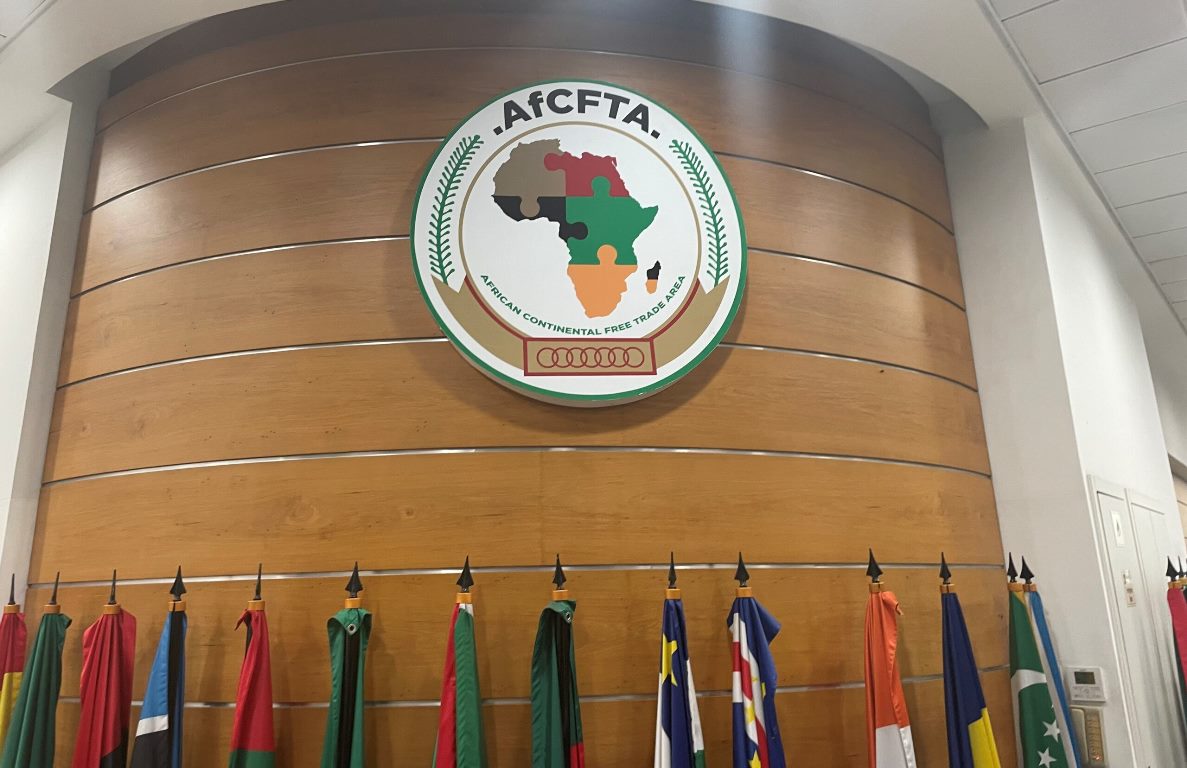
Intra-African trade has recently reached an impressive $230 billion, with the African Continental Free Trade Area (AfCFTA) targeting $250 billion in trade volume by year-end. This growth signals a robust momentum in the implementation of the landmark agreement across the continent.
AfCFTA Implementation Gains Traction
Wamkele Mene, Secretary-General of AfCFTA, shared these insights during a panel at the Invest Lagos 3.0 conference. He highlighted that the increase in trade among African nations reflects a growing commitment to the AfCFTA framework, with 50 countries currently participating and all protocols signed, laying a strong foundation for future collaboration.
Strategic Shifts Needed Amid Global Economic Challenges
Mene emphasized the need for African nations to intensify efforts in enhancing intra-continent trade, especially in light of shrinking traditional export markets and rising global economic uncertainties. He noted that many African countries are losing market share in crucial international markets due to various barriers.
Addressing Vulnerabilities Exposed by Global Turmoil
Recent global events, including the COVID-19 pandemic and geopolitical tensions, have underscored Africa’s vulnerability to external shocks and reliance on imports. Mene argued that fostering stronger trade relationships within Africa could bolster economic resilience and diminish the continent’s susceptibility to disruptions in global supply chains.
Challenges Hinder Trade Growth
Despite the optimistic outlook, Mene highlighted significant challenges facing trade growth in Africa. High trade finance costs, inadequate transport infrastructure, and logistical bottlenecks are among the primary hindrances. For instance, transporting goods between Lagos and Abidjan, a distance of roughly 1,080 kilometers, can take up to 17 days due to numerous checkpoints and border-related delays.
Visa Policies Essential for Enhancing Trade
Mene also advocated for the broader adoption of visa-free travel and visa-on-arrival policies for African business travelers. Streamlining the movement of entrepreneurs and investors, he argued, would significantly enhance commerce and boost investment throughout the continent. He commended several countries, including Nigeria, Ghana, and Rwanda, for their initiatives aimed at easing travel restrictions and fostering regional integration.
The Digital Economy as a Key Driver of Growth
On the topic of digital innovation, Mene proclaimed Lagos as Africa’s leading fintech hub and a significant center for technological advancement. He stated that the continent’s digital economy is projected to reach $712 billion by 2035. Investments in digital infrastructure, data centers, and payment systems are expected to create new opportunities for enterprises, entrepreneurs, and farmers, simultaneously promoting smooth cross-border trade.
The Path Forward for Manufacturing and Economic Transformation
In discussing manufacturing, he pointed out that Lagos hosts the largest concentration of industrial activity on the continent. Mene called for governments and development finance institutions to enhance access to capital for manufacturers and eliminate barriers to the movement of goods across markets. He believes that the rapid growth of the digital economy, combined with an expanding industrial capability, offers a solid foundation for accelerating Africa’s development and meeting its trade objectives.
Lagos’ Strategic Role in Economic Development
Mene further lauded Lagos’s strategic importance in shaping the continent’s economic landscape, characterizing the city as a vital hub for investment, manufacturing, technology, and innovation. He expressed confidence that with strengthened policy reforms, improved infrastructure, and enhanced regional cooperation, Africa can surpass its current trade targets and achieve greater prosperity for its people.
