


Framework Agreement Signals Potential for Peace Between Israel and Lebanon
Secretary of State Marco Rubio, alongside Israeli and Lebanese ambassadors, recently announced a framework agreement aimed at fostering peace following a prolonged period of tension between Israel and Hezbollah, the Lebanese militant group. This agreement represents an initial step toward reconciliation in a complex geopolitical landscape.
Details of the Agreement Remain Sparse
Specifics surrounding the agreement, which was signed by Israeli Ambassador to the U.S. Ekiel Reiter and Lebanese Ambassador to the U.S. Nada Hamadeh, were not fully disclosed. However, sources indicate that the accord is designed to lay the groundwork for sustainable peace and stability in the region.
Lebanese Ambassador Highlights Framework’s Objectives
Ambassador Hamadeh described the framework as crucial for “restoring Lebanon’s sovereignty and territorial integrity.” She emphasized its role in ensuring a permanent cessation of hostilities, facilitating the return of displaced individuals, and enabling all Lebanese citizens to live in security and prosperity.
Israeli Officials Outline Peace Goals
Ambassador Reiter articulated that the ultimate objective of the agreement is to achieve lasting peace between Israel and Lebanon. He emphasized that true peace necessitates the security of both nations, with mutual respect for each other’s sovereignty. Reiter further noted that the trilateral agreement intentionally excludes Iranian influence and Hezbollah, positioning itself as a pathway to genuine reconciliation.
Conflict Background and Recent Developments
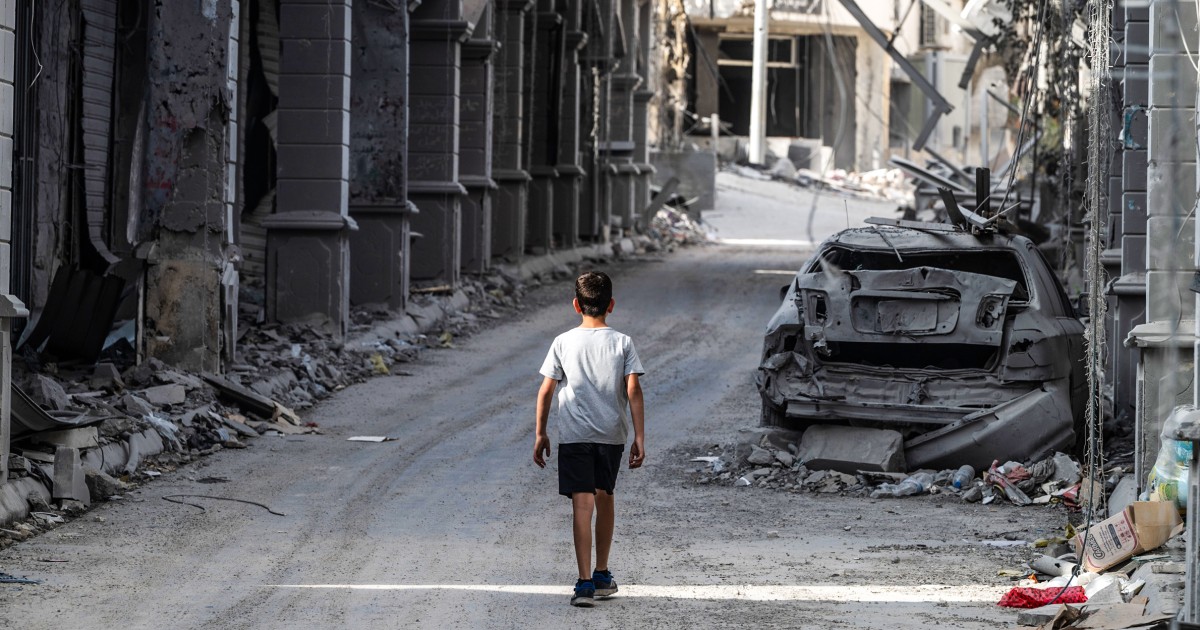
The latest wave of hostilities commenced on February 28, when Hezbollah launched rockets at Israel, shortly after a U.S.-Israel campaign against Iran was initiated. Since March, Israeli airstrikes in Lebanon have resulted in over 4,000 fatalities, while at least 37 Israeli soldiers have lost their lives in the ensuing conflicts.
Ceasefire Efforts and Strategic Priorities
A fragile ceasefire between Israeli and Hezbollah forces emerged earlier this week, coinciding with Israel’s efforts to target Hezbollah operatives in southern Lebanon. Although several ceasefire initiatives have been discussed, their implementation on the ground remains uncertain, largely due to Hezbollah’s absence from the negotiation table.
Negotiations and Future Considerations
Lebanese officials cited the withdrawal of Israeli forces from southern Lebanon as a primary concern in ongoing negotiations, while their Israeli counterparts focused on the disarmament of Hezbollah, which is backed by Iran. On Wednesday, Lebanese President Joseph Aoun informed a British parliamentary delegation that a proposed “test zone,” under exclusive Lebanese military control post-Israeli withdrawal, is currently under consideration, pending Israeli consent.
Challenges to Disarmament
An anonymous Israeli official revealed that direct discussions are underway regarding the removal of Hezbollah infrastructure from southern Lebanon and the repositioning of Israeli forces contingent upon Hezbollah’s disarmament. However, Hezbollah remains resistant to any disarmament proposals, arguing that such actions are only warranted based on previous agreements and United Nations resolutions.
