


Israeli Airstrikes Hit Southern Lebanon Amid Fragile Ceasefire
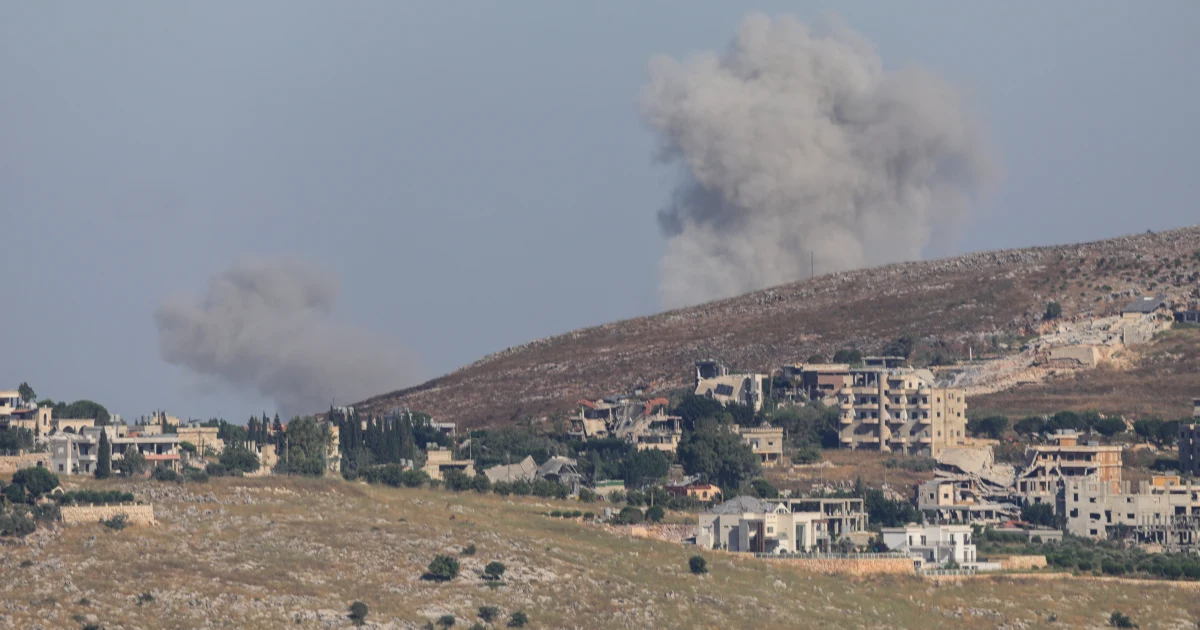
In a troubling development following the announcement of a new ceasefire between Israel and Hezbollah, Israeli military airstrikes in southern Lebanon on Saturday resulted in the deaths of at least 16 people, including two children, as reported by Lebanese Civil Defense and local media outlets.
According to the Lebanese news agency NNA, several towns in southern Lebanon sustained significant damage in the early hours of Saturday. Reports indicate that three individuals died in an airstrike targeting the town of Arab Salim, while another casualty occurred due to a drone attack in Deir al-Zahrani. Currently, at least seven individuals are trapped beneath the rubble. Additionally, the Lebanese army confirmed that one soldier lost his life between Kfar Runman and Nabatiyeh.
An official statement from the Israel Defense Forces (IDF) suggested that Hezbollah had breached the ceasefire, claiming the militant group “fired more than 50 projectiles against IDF soldiers operating in southern Lebanon.” The IDF asserted that their response involved several attacks on purported Hezbollah positions while affirming their commitment to the ceasefire agreement.
Hezbollah, backed by Iran, countered that it had adhered to the ceasefire since Friday night and accused Israel of spreading “false claims” as a pretext for violating the ceasefire.
These renewed hostilities threaten to destabilize precarious peace negotiations between the United States and Iran. This escalation comes just a day after President Donald Trump urged Israel to halt their military actions in Lebanon, with Israel’s ambassador to the U.S. assuring that the nation would cease its offensive operations.
Meanwhile, Iranian Foreign Ministry spokesperson Esmail Baghaei indicated on Saturday that Pakistan’s Interior Minister Mohsin Naqvi had arrived in Tehran for discussions with Iranian Foreign Minister Abbas Araghchi. Pre-existing talks involving Pakistan were intended to facilitate the next phase of negotiations regarding contentious issues, including Iran’s nuclear program.
Though a memorandum of understanding was signed earlier this week between the United States and Iran to immediately halt all fighting, including military actions in Lebanon, Israel was not directly involved in the agreement. However, Iran has communicated that any Israeli strikes would be regarded as a violation of the deal.
U.S. intelligence assessments suggest that Israel is likely to persist with its military engagements against militant factions in Lebanon, increasing the risk of derailing a tenuous peace agreement.
The ongoing violence also highlights a growing schism between the Trump administration and Israeli Prime Minister Benjamin Netanyahu, alongside his far-right allies, who have criticized the agreement as incompatible with Israel’s interests. Netanyahu, facing crucial elections in October, may be compelled to rely on support from these factions to maintain his position.
Despite the escalating tensions over Lebanon, shipping traffic through the Strait of Hormuz has remained relatively stable since the agreement was finalized. However, experts caution that it may take weeks for shipments to return to normal levels due to ongoing concerns about mine threats in the region. IDF spokesperson Brig. Gen. Effie Defrin reiterated on Friday that Israeli forces will continue their operations to “protect civilians” in southern Lebanon.
