


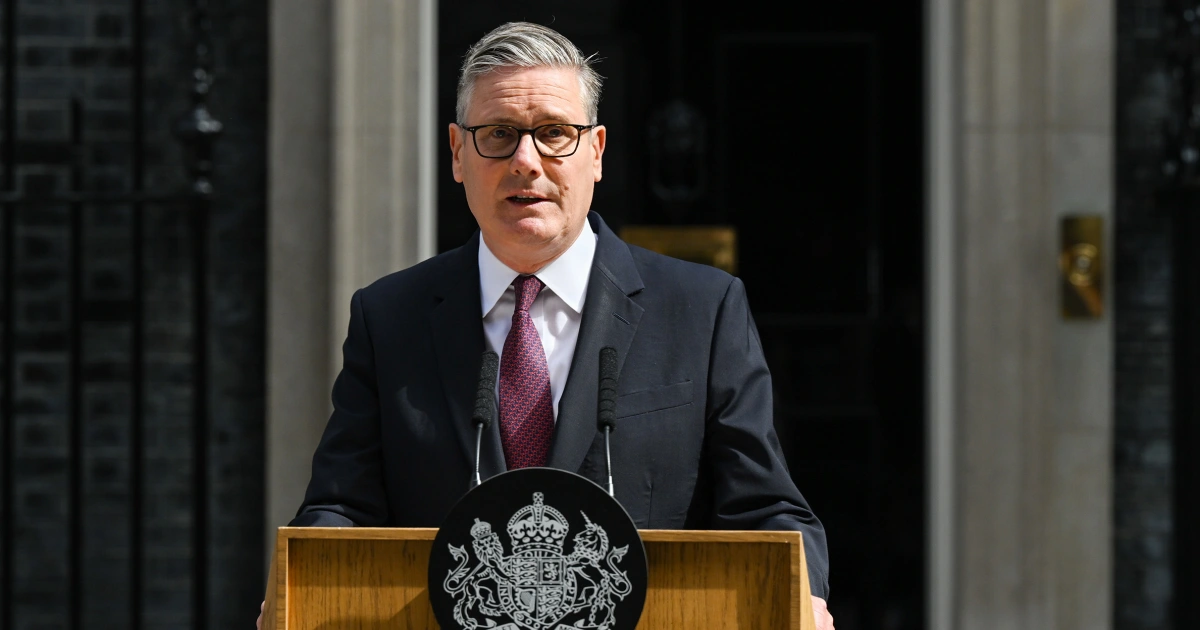
Leadership Challenges Mount for Mr. Starmer
Keir Starmer, 63, faces mounting challenges after the resignation of two key ministers sparked increasing unrest within the Labour Party. Health Secretary Wes Streeting departed last month with a sharp critique of Starmer’s perceived indecisiveness, hinting at a possible leadership bid.
Adding to Starmer’s troubles, Defense Secretary John Healey resigned earlier this month over disputes around military funding, expressing frustration regarding Starmer’s failure to fulfill his commitments in this area.
Scandals and Political Backlash
Compounding Starmer’s political difficulties is a significant scandal stemming from his decision to appoint Labour heavyweight Peter Mandelson as the U.S. ambassador in December 2024, a move that raised eyebrows due to Mandelson’s past associations with the late convicted financier Jeffrey Epstein. Although Starmer ultimately removed Mandelson from the position once private messages between Mandelson and Epstein surfaced, he found himself defending his vetting processes amid allegations of misleading Parliament.
Mandelson was arrested in February on suspicions of misconduct regarding Epstein, though he has not faced charges and has denied any wrongdoing. This situation has been particularly damaging for Starmer, who had pledged to restore integrity to politics ahead of the 2024 election, yet now grapples with numerous unfulfilled promises.
Economic Constraints and Policy Challenges
The UK has suffered from stagnating growth for years, exacerbated by global conflicts, the ramifications of Brexit, and Starmer’s own pledges of fiscal responsibility. This has created a challenging environment for a leader who promised change but found himself constrained in making substantial reforms or investing in beleaguered public services. Starmer is caught in a dilemma of needing to balance spending cuts with his unwavering commitment not to raise taxes, complicating his governance strategy.
Furthermore, several of Starmer’s flagship initiatives, including ambitious investments in net-zero emissions and the introduction of digital ID cards, have been considerably diluted or abandoned, leading to skepticism from various quarters regarding his decision-making abilities.
Political Analysts Weigh In
According to Andrew Barclay, a politics lecturer at the University of Sheffield, Starmer’s journey has always been fraught with challenges. He suggests that while the Labour government inherited a complex economic landscape, the extent of Starmer’s current difficulties was not inevitable. Barclay notes, “Scandals become more significant when there is no coherent narrative for the government.” Starmer himself has acknowledged the lack of clarity surrounding the government’s objectives.
Starmer’s Shift and Its Implications
Tim Bale, a political science professor at Queen Mary University of London, opines that the roots of Starmer’s predicament were laid before his ascent to power. He points out that Starmer made numerous commitments to progressives to secure party leadership but later shifted toward centrist policies, citing a lack of financial resources for substantial change. This transition has alienated some progressive supporters as Starmer has sought endorsement from right-leaning factions, particularly concerning immigration.
Starmer’s Mixed International Reception
Despite facing challenges domestically, Starmer has garnered praise for his approach to international conflicts, often demonstrating a stronger presence at global summits than in domestic policy discussions. While his rapport with former President Trump has soured following his stance against involvement in the Iran conflict, some critics have recognized the courage and principle behind Starmer’s decisions.
Looking Ahead: Leadership Election Dynamics
As the Labour Party gears up for its next leadership election, candidates must secure the backing of 20% of Labour MPs to qualify. Should multiple candidates meet this criterion, party members will cast their votes. Currently, Andy Burnham stands out as the favorite, with party insiders hopeful that a lack of serious challengers will prevent a protracted primary battle.
Barclay notes that Starmer had previously indicated he would contest any leadership contest, but the decisive victory of Burnham over Nigel Farage’s Reform Party in Makerfield has raised doubts about Starmer’s position. “Burnham’s high standing could make it difficult for Starmer to maintain his position,” he added.
The UK is poised to witness its seventh prime minister in a decade, reflecting a prolonged period of political uncertainty that has persisted since the 2016 Brexit referendum. Starmer, who hails from modest beginnings, has encountered significant hurdles in his role as a leader. After a distinguished career as a barrister and Director of Public Prosecutions, he entered the political arena in 2015, becoming Labour leader following a significant electoral defeat in 2019 and subsequently revitalizing the party’s prospects.
