


Central Banks Under Pressure Amid Rising Inflation
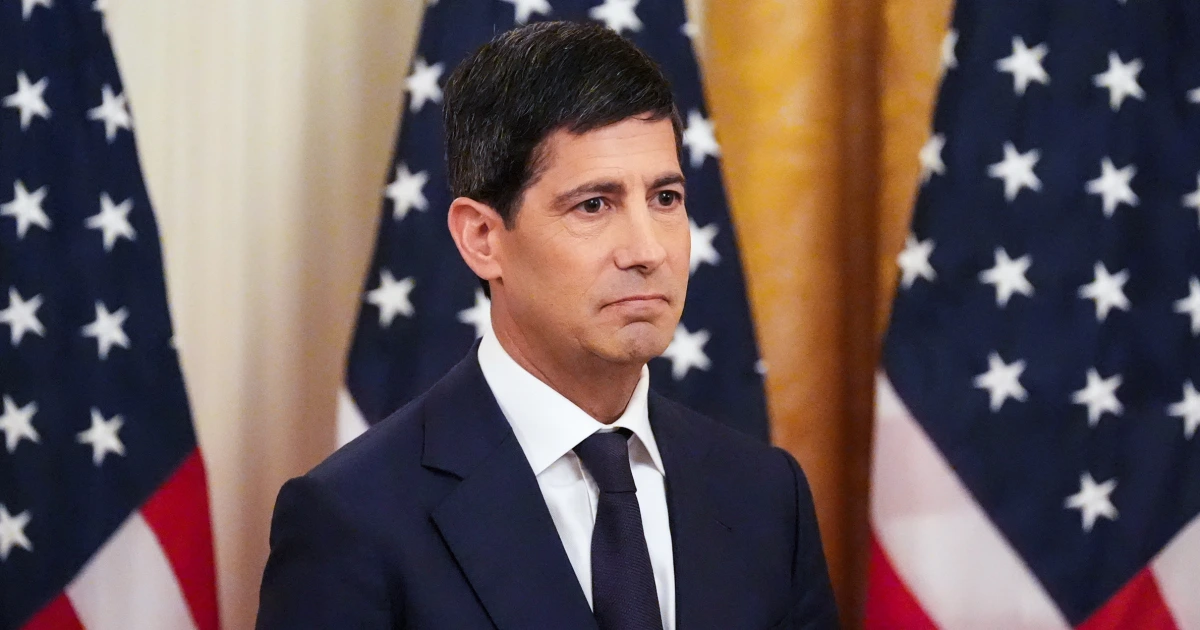
Inflationary trends and the role of new Federal Reserve Chairman Kevin Warsh are set to take center stage as central banks convene on Wednesday to outline their interest rate strategies. The meeting arrives shortly after the U.S. and Iran announced an unratified peace deal, with oil prices seeing fluctuations that could impact economic stability in the United States.
Market Reactions to Oil Prices and Interest Rate Expectations
Since the beginning of the year, oil prices have surged by 30%, prompting market analysts to anticipate that Chairman Warsh and his committee will raise interest rates by December in an effort to combat persistent inflation. Current wholesale inflation has surpassed 6%, while consumer prices have exceeded 4%, driven largely by the ongoing energy shock related to the Iran war.
Shifting Economic Landscape Influences Fed Decisions
In a significant shift since his initial nomination, President Donald Trump previously indicated he would not have chosen Warsh unless he believed the new chairman would swiftly lower interest rates. Recent comments suggest a more flexible approach, with Trump granting Warsh discretion over interest rate adjustments as economic conditions have evolved dramatically.
Anticipating the Federal Reserve’s Next Moves
Analysts are generally expecting the central bank to maintain the current interest rate, as it typically refrains from adjusting monetary policy in response to volatile energy price movements. Members of the Federal Open Market Committee (FOMC) will likely observe energy price developments in the months ahead, especially following the Iran deal, before making any significant decisions regarding interest rates.
Monitoring Warsh’s First Public Appearance
Even without anticipated rate changes, investors will pay close attention to the insights shared during Warsh’s inaugural press conference as Chairman of the FOMC. Observers are eager for indications of his stance on interest rates, inflation, and overall central bank operations, with UBS economists highlighting the importance of the upcoming meeting.
Evaluating the FOMC Dot Plot and Future Projections
The FOMC’s quarterly “dot plot,” which outlines policymakers’ interest rate predictions, will also be a focal point. This graphical representation offers insights into projected rates over the coming years and is an integral part of the central bank’s Summary Economic Projections (SEP). Originally introduced in 2007, the dot plot gained prominence in 2012 as a crucial tool for conveying forward guidance to the market.
Cautious Perspectives on Forward Guidance
Chairman Warsh has expressed concerns about the Fed’s extensive forward guidance, suggesting a reevaluation of how it communicates economic conditions and interest rate expectations. This sentiment resonates with critics, including former Fed Chairman Jerome Powell, who has acknowledged the challenges of relying heavily on such forecasts. As policymakers grapple with inflationary pressures and an unexpectedly resilient labor market, consensus may be more elusive than ever.
Implications for Borrowing Costs and Future Monetary Policy
The upcoming decisions by the Fed will have significant implications for borrowing costs across various sectors, from mortgages to business loans. As the committee navigates the complexities of the current economic landscape, their signals will act as critical indicators for markets, businesses, and consumers alike, shaping expectations and influencing behaviors long before any actual rate adjustments are made.
