


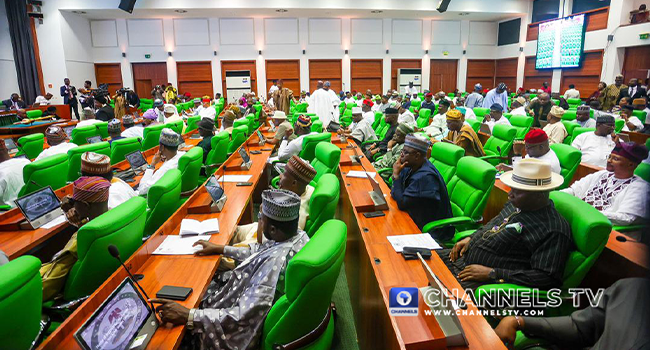
House of Representatives Advances Key Amendments to Nigeria’s Elections Act
On Wednesday, the House of Representatives approved pivotal amendments to the Elections Act of 2022, aimed at enhancing Nigeria’s electoral justice framework. The revisions are designed to clarify jurisdiction issues in pre-election matters and introduce technologically advanced procedures for handling electoral petitions in anticipation of the 2027 general elections.
Streamlining Election Dispute Resolution
The amendments received approval during a plenary session following a comprehensive review from the House of Commons Electoral Affairs Committee. These changes are expected to streamline election dispute adjudication, minimize procedural delays, and bolster the efficiency of judicial processes throughout the electoral cycle.
Focus on Technological Integration
Benjamin Cull, the Vice Chairman and leader of the Committee of the Whole, oversaw the scrutiny of each article within the bill, which followed its successful second reading. Adebayo Balogun, Chairman of the House Electoral Affairs Committee, emphasized that these reforms address persistent challenges in the administration of electoral justice, particularly those arising from ambiguous jurisdiction and an over-reliance on traditional means of court notifications.
Enhancing Clarity and Efficiency in Court Processes
Balogun explained that the amendments aim to provide clarity in jurisdiction regarding pre-election matters, facilitate quicker adjudication, and implement flexible, technology-driven methods for serving election petitions. By doing so, the amendments aim to diminish delays caused by outdated practices tied to physical courtroom procedures.
Modernizing Service Methods for Election Petitions
Among the significant changes is an amendment to Article 29(8) of the Electoral Act, which stipulates that candidates must submit both physical and electronic contact information, including email addresses and phone numbers, as part of their nomination documents. The new provisions allow for election petitions to be served through various channels, including hand delivery, registered mail, email, SMS, and other approved digital methods, with valid service established upon proof of transmission.
Defining Jurisdictional Boundaries for Pre-Election Matters
The amendments also introduce section 29A, defining the jurisdictional framework for pre-election matters. Under this new structure, all litigation related to elections for the National Assembly, state legislatures, and governorships will be initiated in the Federal High Court, with appeals directed to the Court of Appeal. For presidential and vice-presidential disputes, the Court of Appeal will hold primary jurisdiction, while appeals will ultimately be decided by the Supreme Court.
Addressing Concerns Over Electronic Communication
During discussions, Abdusamad Dasuki, representing Sokoto, raised concerns about the risk of electronic communications being misdirected to spam folders, which could complicate proper service. In response, Cull and Balogun clarified that electronic service provisions are intended to complement traditional methods rather than replace them. Cull reassured legislators that the amendment’s goal is to broaden communication options, enhancing the reliability and efficiency of service processes.
Modernization Aims for Increased Credibility in Elections
With the passage of these amendments, the House of Representatives is taking a significant step towards modernizing Nigeria’s electoral legal framework. This initiative aims to ensure a more efficient, transparent, and reliable process for resolving pre-election disputes as the country prepares for the upcoming 2027 elections. Balogun expressed confidence that the amendments would improve electoral justice, enhance efficiency, deter frivolous objections, and ultimately strengthen the credibility of Nigeria’s electoral system.
