


The Future of South Africa’s Automotive Sector: Embracing Change and Innovation
As South Africa’s automotive industry approaches a pivotal moment, factors such as innovation, localization, electrification, and the continent’s growth potential are becoming increasingly influential. For MAHLE, a prominent South African auto parts manufacturer, the shift toward cleaner mobility must be tailored to meet specific industry and market demands. This focus on adaptation is personified by Sabrina Jardim, who emphasizes the varying needs across different regions.
Technology Diversity as a Path to Clean Mobility
With a wide range of infrastructure, affordability, regulatory environments, and operational conditions evident across Africa, MAHLE asserts that the journey toward cleaner mobility should prioritize technology diversity. This includes a combination of electric, hybrid, hydrogen, sustainable fuels, and efficient internal combustion technologies, carefully calibrated to suit local market needs. The company emphasizes that Africa’s automotive future cannot be constrained by a singular drivetrain, uniform policy framework, or a global blueprint.
Strategic Focus on Electrification and Efficiency
Through its MAHLE 2030+ strategy, the company is directing its efforts toward electrification, thermal management, and the advancement of clean and efficient internal combustion engine components. MAHLE’s operations in South Africa play a vital role in supporting a diverse customer base, including those in the passenger, commercial, original equipment manufacturer (OEM), and aftermarket sectors. This support is underpinned by local manufacturing, engineering prowess, and a commitment to export production.
Addressing Unique Challenges in African Markets
While many global markets are rapidly adopting battery electric vehicles (EVs), the situation in Africa is more complex. Local markets face unique considerations, such as infrastructure development, affordability, energy supply, vehicle usage patterns, and the necessity of maintaining industrial competitiveness. These factors must be weighed carefully to ensure the successful adoption of cleaner technologies.
The Role of Thermal Management in Future Mobility
For MAHLE, thermal management stands out as a crucial enabler of future mobility. In traditional powertrains, robust thermal systems are essential for enhancing efficiency, reliability, and emissions performance. The company highlights that in hybrid and electric vehicles, effective thermal management is instrumental in influencing battery performance, charging behavior, driving range, interior comfort, and overall component durability. This is especially important given the distinctive driving conditions across Africa, where vehicle uptime, longevity, serviceability, and total cost of ownership are paramount for both passenger and commercial vehicle operators.
Employment and Local Capabilities at MAHLE South Africa
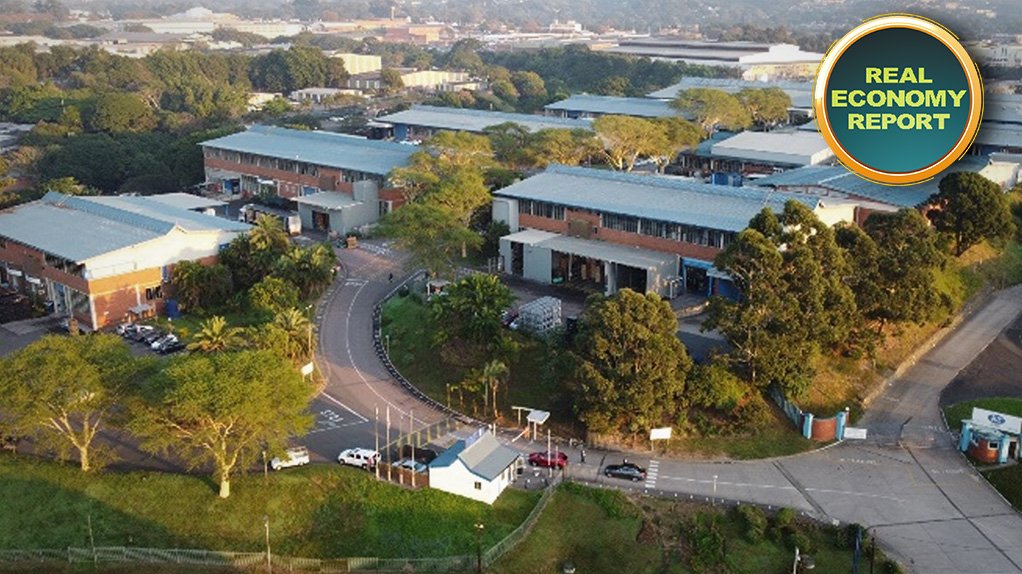
MAHLE South Africa employs 646 full-time workers across its facilities in Durban and Gqeberha. The Durban site specializes in heat exchangers and other components, while Gqeberha focuses on HVAC systems and air filter assemblies. Beyond conventional manufactured parts, the local operations also produce Nocolok brazed radiators, mechanical joint radiators, direct charge air coolers, heater cores, evaporators, and engine cooling modules. The local market is also supplied with imported oil coolers, heater cores, and condensers, ensuring a comprehensive range of products.
Exporting Innovation: A Global Reach
MAHLE South Africa’s capabilities include advanced welded tube technology used in radiators, heater cores, and both direct and indirect charge air coolers. Notably, the Durban facility exports approximately 120 million aluminum tubes annually, reinforcing its significance in thermal management applications worldwide. This robust export capability underscores the company’s commitment to innovation and efficiency in meeting global automotive demands.
