


India’s NEET Exam Breach Disrupts Thousands of Aspiring Medical Students
Three years of dedication culminated in a single exam for Ridhvi Saxena, 18, who left the testing center optimistic about her future as a cardiologist. However, all hopes were swiftly dashed when India’s testing authority announced that the National Eligibility cum Entrance Test (NEET) she took on May 3 had been compromised due to a data breach, mandating that all candidates retake the exam.
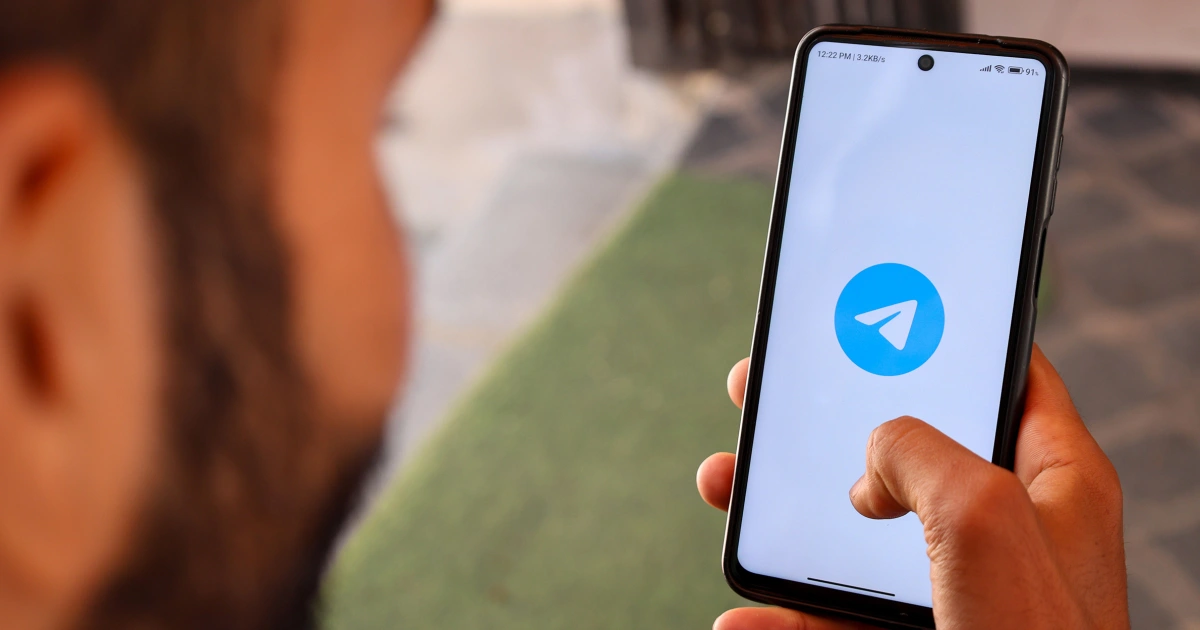
This decision triggered a nationwide crisis, prompting authorities to impose a temporary ban on the messaging app Telegram. The government accused “fraudulent actors” of openly operating within the platform to sell leaked examination materials. Saxena, who hails from Bhopal, expressed her sense of betrayal, stating that years of hard work felt wasted due to this breach.
“I was excited to go to college,” Saxena admitted. “But now I find myself back in a place I struggled so hard to escape.” Feeling overwhelmed and burnt out, she is fraught with anxiety about her upcoming re-examination.
This year, more than two million students participated in the NEET, a rigorous three-hour examination testing physics, chemistry, and biology. Regarded as one of the toughest assessments in the country, NEET is a critical gateway to India’s competitive medical schools, comparable in difficulty to the Joint Entrance Examination (JEE) for engineering. For many like Saxena, the May 3 test represented the culmination of their dreams.
The sudden cancellation of results has bewildered countless students who had already attempted last year’s exam and anticipated the May session to be their final hurdle. Saxena articulated her concerns, lamenting the personal sacrifices made to prepare for exams, only to feel let down by the Indian education system.
In response to the crisis, India’s Central Bureau of Investigation has initiated a probe into the leaked exam questions, while the Ministry of Electronics and Information Technology enforced the ban on Telegram until June 22, citing national security interests. Conversations about the implications of this ban have arisen, particularly from Telegram’s founder, who criticized the move for unfairly penalizing millions of lawful users while failing to capture the true perpetrators.
Despite the government’s assurances regarding the integrity of future exams, students remain skeptical. The National Testing Authority reassured candidates about “multi-layered safety measures” in place for the upcoming examination, but many question whether their underlying system can truly protect them. As students prepare for the rescheduled exam, the pressure remains high, with a lingering sense of distrust towards the measures being implemented to safeguard their futures.
The situation at hand marks a challenging chapter for India’s education sector, compounded by recent controversies, including protests over technical glitches in the Central Board of Secondary Education’s (CBSE) electronic marking system. As students express outrage over systemic inadequacies, many see the NEET breach as symptomatic of deeper issues within the educational landscape.
