


Fr. Ejike Mbaka Claims Political Motives Behind Recent Abductions in Oyo State
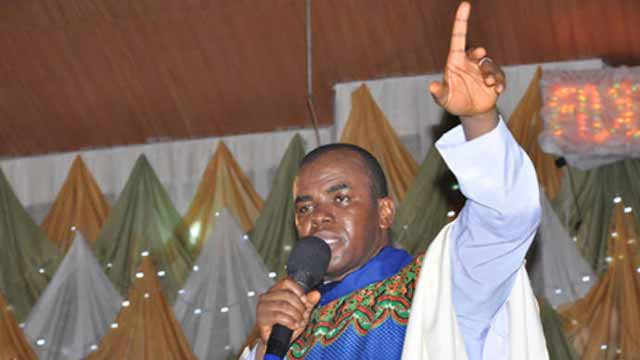
Fr. Ejike Mbaka, a controversial Catholic priest, has publicly addressed the wave of abductions affecting children and educators in Oyo State, asserting that these incidents are part of a political conspiracy designed to undermine President Bola Tinubu’s administration. This latest outburst comes shortly after the 2023 general elections and has quickly gained traction online.
Familiar with the intersections of faith and politics, Mbaka’s involvement in national discourse has a longstanding history, dating back to his commentary during Chimaroke Nnamani’s governorship in Enugu State. In a recent sermon, he claimed that the abduction of individuals in Oyo was politically motivated and a strategy intended to turn citizens against the current leadership.
Although he had largely refrained from political commentary following the recent elections, Mbaka urged caution among Nigerians. “Do not be deceived; this tactic mirrors what was done to Jonathan,” he told worshippers, cautioning against hasty conclusions regarding the motives behind the abductions. His remarks drew parallels to the insecurity that arose during former President Goodluck Jonathan’s administration, suggesting a calculated manipulation of events for political gain.
Mbaka further emphasized that political upheaval against Tinubu should not come through the kidnapping of children. He alleged that the individuals orchestrating these abductions are motivated by political aspirations rather than common criminality. His statements have reignited discussions surrounding the underlying motives behind rising incidents of kidnapping in the country.
The cleric also called on Oyo State Governor Seyi Makinde to bolster efforts for the safe return of the abducted victims, labeling the unfolding events as “demonic political agendas” that threaten the stability of the nation and aim to tarnish the image of Tinubu’s administration. This renewed call to action marks Mbaka’s return as a vocal political commentator after a period of relative silence.
Historically, Mbaka’s comments have often elicited significant public attention and concern from the Catholic Church regarding his political involvement. His recent remarks echo similar allegations from former Ekiti State Governor Ayo Fayose and APC leader Joe Igbokwe, both of whom have suggested that certain political figures may be complicit in escalating kidnappings and robberies to undermine Tinubu’s government.
Despite these serious accusations, neither Fayose nor Igbokwe has disclosed specific names or offered concrete evidence to back their claims. This lack of detail has sparked a broader debate about the reliability of such accusations and their relationship with information available to security agencies and the presidency. Questions have arisen regarding accountability, particularly concerning why those reportedly involved in destabilizing activities have yet to be identified or prosecuted despite evidence that may exist.
As of the latest updates, the federal government and security agencies have not publicly addressed Mbaka’s allegations. Efforts to secure the safe release of the abducted children and teachers are ongoing, yet the situation continues to fuel public discourse surrounding governance, security, and the political landscape of Nigeria.
