


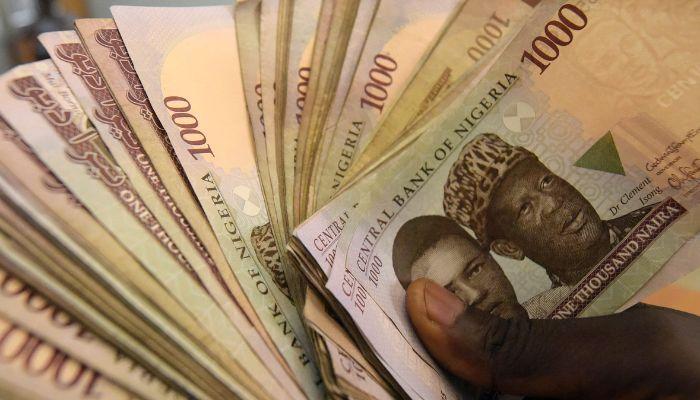
Nigeria’s Naira Expected to Remain Stable Amid Global Tensions
Despite the ongoing conflict in Iran, Nigeria’s naira is projected to maintain relative stability, according to a recent analysis from MCB Group, Mauritius’ largest bank. The assessment suggests that the naira’s resilience can be attributed to enhanced production at the Dangote refinery and an uptick in exports to various African markets. Such dynamics are expected to decrease fuel import demand, thus bolstering exchange inflows and alleviating pressure on the nation’s foreign reserves.
Positive Trends and Foreign Exchange Liquidity
MCB Group forecasts that in a moderate scenario, improved market sentiment could allow the naira to trade below 1,350 naira per dollar. The bank’s insights are detailed in the inaugural edition of its publication, Africa Economic Compass. In 2025, the naira gained approximately 8%, marking its first positive performance in over a decade, aided by favorable foreign exchange liquidity stemming from exchange rate reforms and a gradual rebound in portfolio inflows.
Market Challenges Amid Global Currency Fluctuations
Nonetheless, challenges have emerged as the US dollar strengthened due to geopolitical tensions, prompting the Central Bank of Nigeria to intervene in the foreign exchange market. This action has led to a decline in foreign reserves, which have dipped from over $50 billion to $48.5 billion. On Tuesday, the naira’s exchange rate at the official counter stood at 1,350.74 to the dollar, reflecting a slight adjustment from the previous day’s rate of 1,349.64. The currency has largely remained within this range for the past three months, apart from a spike over 1,400 naira to the dollar on March 9 and 10.
Nigeria’s Unique Position in the African Context
The report emphasizes that Nigeria is one of the few African economies poised to benefit from surging oil prices due to the Iran conflict, albeit while grappling with significant domestic challenges. It highlights that macroeconomic stabilization efforts—such as exchange rate reforms, the elimination of fuel subsidies, and stringent monetary policies—are beginning to yield positive outcomes, improving external balances and restoring investor confidence.
Key Factors Influencing Nigeria’s Economic Outlook
MCB identifies three pivotal drivers shaping Nigeria’s economic landscape: structural changes in the energy sector through the Dangote refinery’s expansion, decreased reliance on fuel imports, and alleviated exchange rate pressures. However, persistent fiscal constraints—where interest payments consume over 30% of government revenues—continue to present daunting obstacles. Despite these challenges, Nigeria’s growth outlook remains robust, even as the wider region grapples with rising energy costs and tightened fiscal conditions.
Inflationary Pressures and Monetary Policy Outlook
Nevertheless, the report warns that inflationary pressures, fueled by approximately a 40% increase in fuel prices, coupled with potential election-related expenditures, may restrict the feasibility of any monetary easing. Prior to the conflict, analysts anticipated significant reductions in borrowing rates following years of stringent tightening designed to combat soaring inflation. Earlier this year, authorities implemented a nominal interest rate cut of 50 basis points, setting the benchmark rate at 26.5% in February.
Future Expectations of Rate Adjustments and Economic Trends
In light of the Middle East turmoil, inflation rates have surged by 15.38%, indicating a return of inflationary pressures that preclude rate reductions for the foreseeable future. MCB predicts that the central bank will likely adopt a cautious approach, gradually lowering the policy rate to 23.5% by year-end. MCB’s newly introduced Macroeconomic Pressure Index (MePI) suggests that Nigeria’s macroeconomic challenges will remain largely subdued in the short run, bolstered by robust domestic savings and improving external factors.
Nigeria is positioned as a relative beneficiary of the current global economic landscape. However, sustaining this positive momentum will require ongoing policy discipline and enhanced revenue mobilization, according to Jessen Coolen, the head of economic research at MCB. In the medium term, the country’s capacity to leverage its oil resources for sustainable growth will hinge on the implementation of structural reforms and effective fiscal consolidation.
