


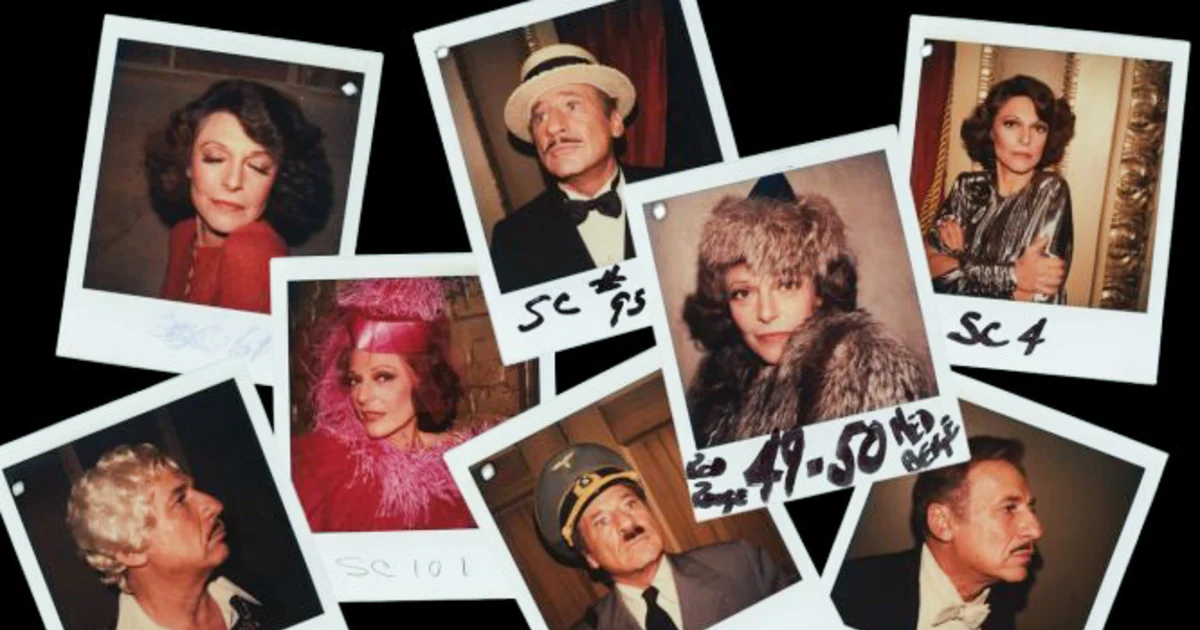
Mel Brooks Donates Extensive Archive to National Comedy Center
For nearly a century, Mel Brooks has been a titan in the world of comedy, captivating audiences through iconic films such as Blazing Saddles and Spaceballs, as well as pioneering contributions to television and Broadway. Now, at 99 years old, the legendary comedian is taking steps to ensure that his legacy endures for generations to come.
Recently, the National Comedy Center in Jamestown, New York, announced that the Oscar-winning filmmaker has donated a substantial collection of previously unpublished documents and photographs to their institution. This gesture adds a remarkable chapter to the center’s commitment to preserving comedic history.
The donation features approximately 150,000 production documents alongside 5,000 photographs that trace the extensive career of Brooks as a writer, performer, director, and producer. This archive serves as a vital resource for understanding the evolution of comedic storytelling in American cinema.
Brooks is among a distinguished group of entertainers who have earned EGOT status, recognizing his achievements with one Academy Award for Best Original Screenplay, four Emmy Awards, two Grammy Awards, and three Tony Awards. He expresses pride in his work, noting, “I’ve always been proud that making people laugh is what I do for a living,” highlighting the significance of his contributions being preserved at the National Archives of Comedy.
The newly acquired materials encompass many of Brooks’ most celebrated films, including The Producers (1967), Blazing Saddles (1974), Young Frankenstein (1974), A Silent Movie (1976), and Spaceballs (1987). The archive includes everything from storyboards and development materials to comprehensive production records, providing an in-depth look into the filmmaking process and the creative vision behind these classic comedies.
Significantly, the collection also contains materials over 80 years old, revealing Brooks’ early comedic endeavors, including notes from his time in the U.S. Army during World War II. Among the historical items are scripts written by both Sid Caesar and Brooks for the live variety show “Your Show of Shows,” a groundbreaking series that ran for four seasons in the 1950s and garnered two Primetime Emmy Awards.
A particularly remarkable piece within the archive is an original lyric card for “Springtime for Hitler” from The Producers. Brooks is honored to have his contributions saved for future generations, especially in a place that held great significance for his late friend, Carl Reiner, who advocated for the preservation of comedic history. “I think he’ll be happy that our work will be around for the next 2,000 years or more,” Brooks remarked, referencing their collaborative comedy show 2000 Years Old.
Journey Gunderson, executive director of the National Comedy Center, underscores the importance of this donation, stating that the Mel Brooks archive is integral to the comedic narrative of the United States. “Preserving this material is not just an act of stewardship; it’s about protecting an important cultural heritage that will inform scholarship, creative research, and historical understanding for generations,” she said.
