


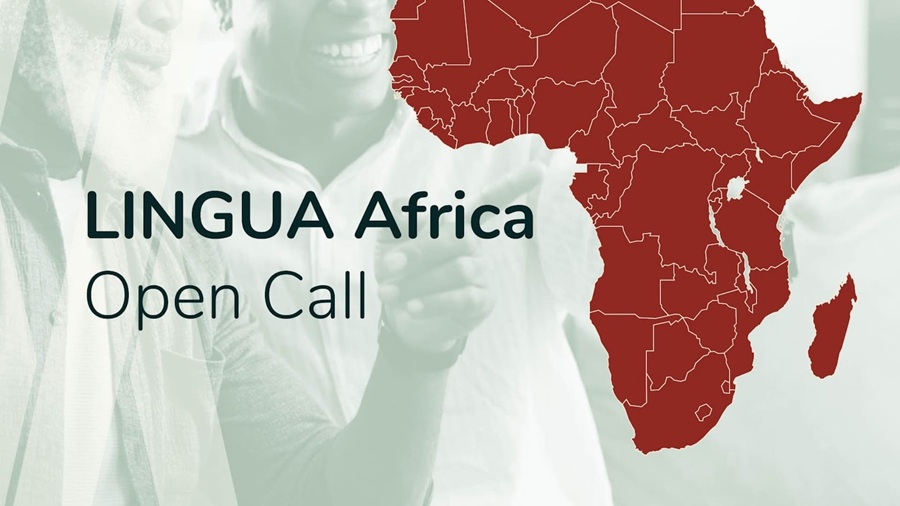
Microsoft Launches LINGUA Africa Open Call to Enhance AI Solutions for African Languages
Microsoft has introduced the LINGUA Africa Open Call, a significant initiative focused on advancing artificial intelligence solutions for African languages and underrepresented communities across the continent. This program aims to bridge the growing AI language gap that leaves many African languages outside of modern digital frameworks.
In collaboration with the Gates Foundation, Masakan African Language Hub, and Google.org, the initiative seeks to address the underrepresentation of numerous African languages in AI datasets, models, and tools. This lack of representation has a direct impact on access to vital digital services in critical sectors, including healthcare, education, agriculture, financial inclusion, and government services.
Microsoft emphasizes that LINGUA Africa is designed to foster the development of open language resources, AI models, translation tools, datasets, and specialized applications to enable communities to engage with technology in their native languages.
Howard Lacuña, a senior program officer at the Gates Foundation, indicated that the initiative aims to eliminate barriers that have historically impeded AI innovation throughout Africa. He notes that LINGUA Africa seeks to inspire innovative thinking by dismantling the obstacles that have limited AI advancements on the continent.
The open call invites proposals from universities, nonprofit organizations, startups, research institutions, cultural organizations, and collaborative consortia focused on the public good. While the target audience is primarily African organizations, non-African groups can also participate, provided they have established meaningful partnerships with local institutions and communities.
Selected proposals will receive various forms of support, including funding, computing credits from Azure and Google Cloud, and opportunities for technical collaboration with Microsoft’s AI for Good Lab and additional ecosystem partners. Microsoft has delineated three primary categories of support within this initiative.
These categories include projects focused on data creation, which involve building, documenting, validating, or translating African language datasets; AI model and infrastructure development; and sector-specific applications that integrate AI language technology into real-world scenarios such as healthcare, education, agriculture, financial services, and public administration. Financial backing ranges from up to $50,000 for data-centric projects to up to $450,000 for high-impact applications, totaling $1,050,000 in additional computing credits.
This initiative continues Microsoft’s commitment to low-resource languages and follows the earlier LINGUA Europe program, which aimed to improve AI resources for underrepresented European languages. Despite the presence of over 2,000 languages in Africa, only a small number are currently included in major AI systems and large-scale language models.
Researchers have expressed concerns that inadequate representation of African languages in AI could exacerbate the digital divide and hinder participation in the emerging AI economy. Recent studies underscore the urgent need for African-led AI infrastructure and datasets. In Nigeria, for instance, efforts continue to broaden the scope of local AI language research beyond the dominant languages of Hausa, Igbo, Yoruba, and Nigerian Pidgin.
Microsoft expects that all projects supported under LINGUA Africa will generate open-licensed resources that can be utilized in research, open-source models, and practical applications. The deadline for applications is set for June 15, 2026.
Application Details
For more information on how to apply for the LINGUA Africa Open Call, interested parties can visit the official Microsoft website.
