


Nigeria’s Missing N20 Trillion Federal Revenue Under Scrutiny
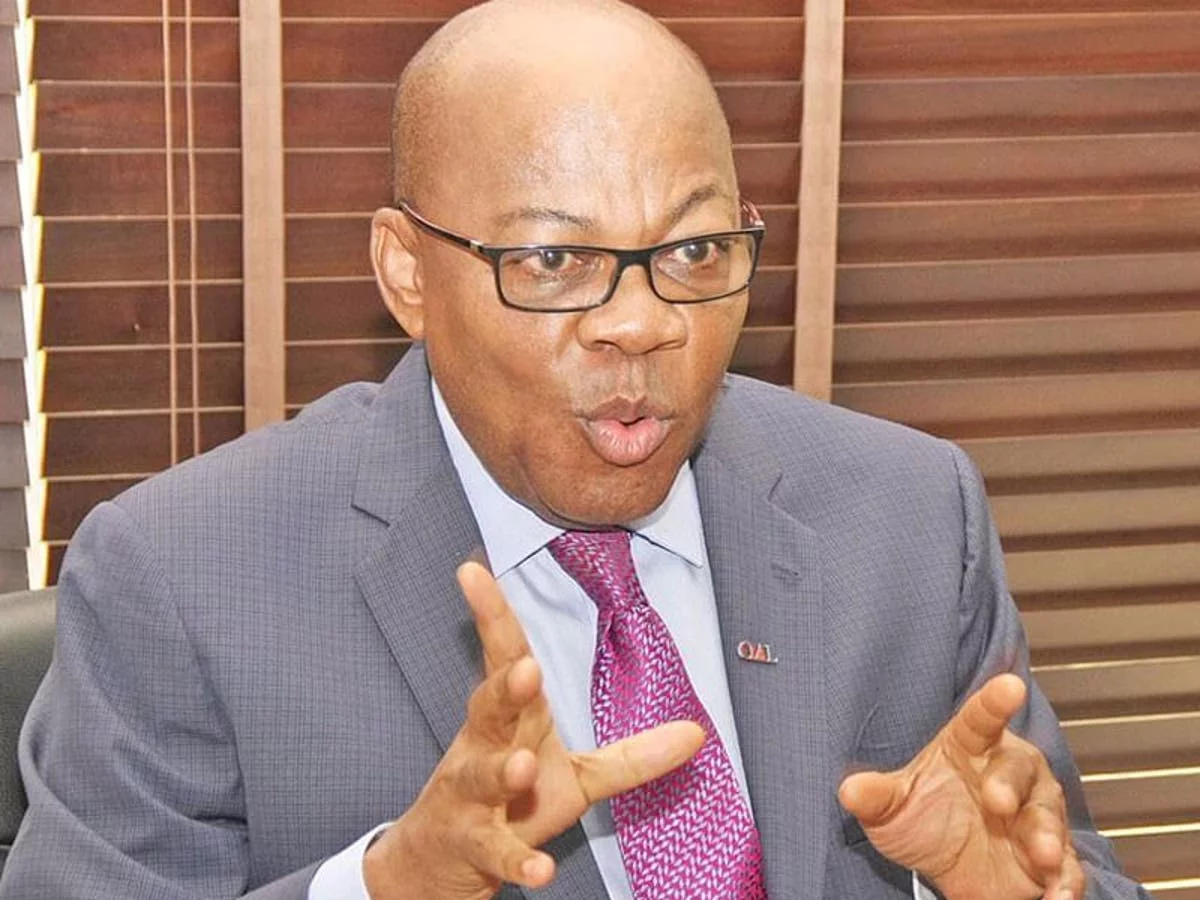
Renowned Nigerian lawyer Olisa Agbakoba has raised concerns regarding the fate of approximately N20 trillion in federal revenue that appears to have been unaccounted for. His comments, made during an interview with Point Blank News, followed his observations in an op-ed entitled “Where is our money going?” which captured significant attention on social media.
Concern Over National Revenue Management
Agbakoba emphasized the importance of ensuring that all national revenues—including oil earnings, customs duties, corporate taxes, regulatory fees, and court fines—be deposited into the federal account as stipulated by Article 162 of the Nigerian Constitution. These funds are intended to be equitably distributed among the federal government, the 36 states, and 774 local government councils, ultimately to support essential services such as infrastructure, education, healthcare, and security.
Significant Revenue Deductions Unveiled
According to the World Bank’s Nigeria Development Update, a staggering N14.94 trillion of the federation’s revenue earmarked for 2025 is anticipated to be deducted prior to allocation, equating to approximately 39% of the total revenue. Agbakoba stated, “It was gone before any state or local government could see a single kobo.” This underscores a troubling trend in federal revenue management.
Discrepancies in NNPCL Revenue Transfers
Agbakoba highlighted that the Nigerian National Petroleum Company Limited (NNPCL), Nigeria’s primary revenue generator, was expected to transfer N1.1 trillion to the federal account in 2024. However, only N600 billion was transferred, revealing a concerning shortfall. He further noted that there is an ongoing investigation by the Federal Accounts Allocation Commission (FAAC) into an alleged $42.37 billion under-remittance by NNPCL between 2011 and 2017, which translates to roughly N12.91 trillion at current exchange rates, surpassing the entire 2024 federal budget.
Alarming Public Debt and Servicing Costs
A former president of the Nigerian Bar Association and maritime law expert expressed alarm over the nation’s mounting debt crisis. By the end of 2025, Nigeria’s total public debt is projected to reach N159.27 trillion, with debt servicing consuming 78% of federal revenue in 2023 and 69% in 2024. This sharply contrasts with International Monetary Fund (IMF) and World Bank recommendations, which advise that debt servicing should not exceed 30-40% of revenue.
The Impact of Borrowing on Public Welfare
Agbakoba questioned the rationale behind the country’s borrowing practices, stating, “For the most part, we’re borrowing to fund services.” He pointed out that the proceeds from loans often fail to reach the federal account, complicating the financial landscape. The situation has direct consequences for citizens, as evidenced by rising fuel prices, increased tuition fees, shrinking salaries, and underfunded healthcare and educational institutions.
Calls for Reform and Accountability
The lawyer cautioned against the administrative negligence that has persisted over 25 years since the return to democracy in 1999. He underscored the lack of oversight surrounding the federal accounts, particularly regarding how they are managed, the timeliness of fund transfers, and the auditing process for potential misappropriations. Agbakoba noted that the Treasury Single Account, which was established in 2015 by then-Finance Minister Dr. Ngozi Okonjo-Iweala, was intended to reduce leakage but has fallen short in its mission.
Criticism of the Petroleum Industry Act
Finally, Agbakoba called for a reassessment of the Petroleum Industry Act (PIA), arguing that it has failed to deliver on its anticipated benefits. He believes that without significant reform, the issues surrounding revenue management and public debt will continue to escalate, jeopardizing Nigeria’s financial stability.
