


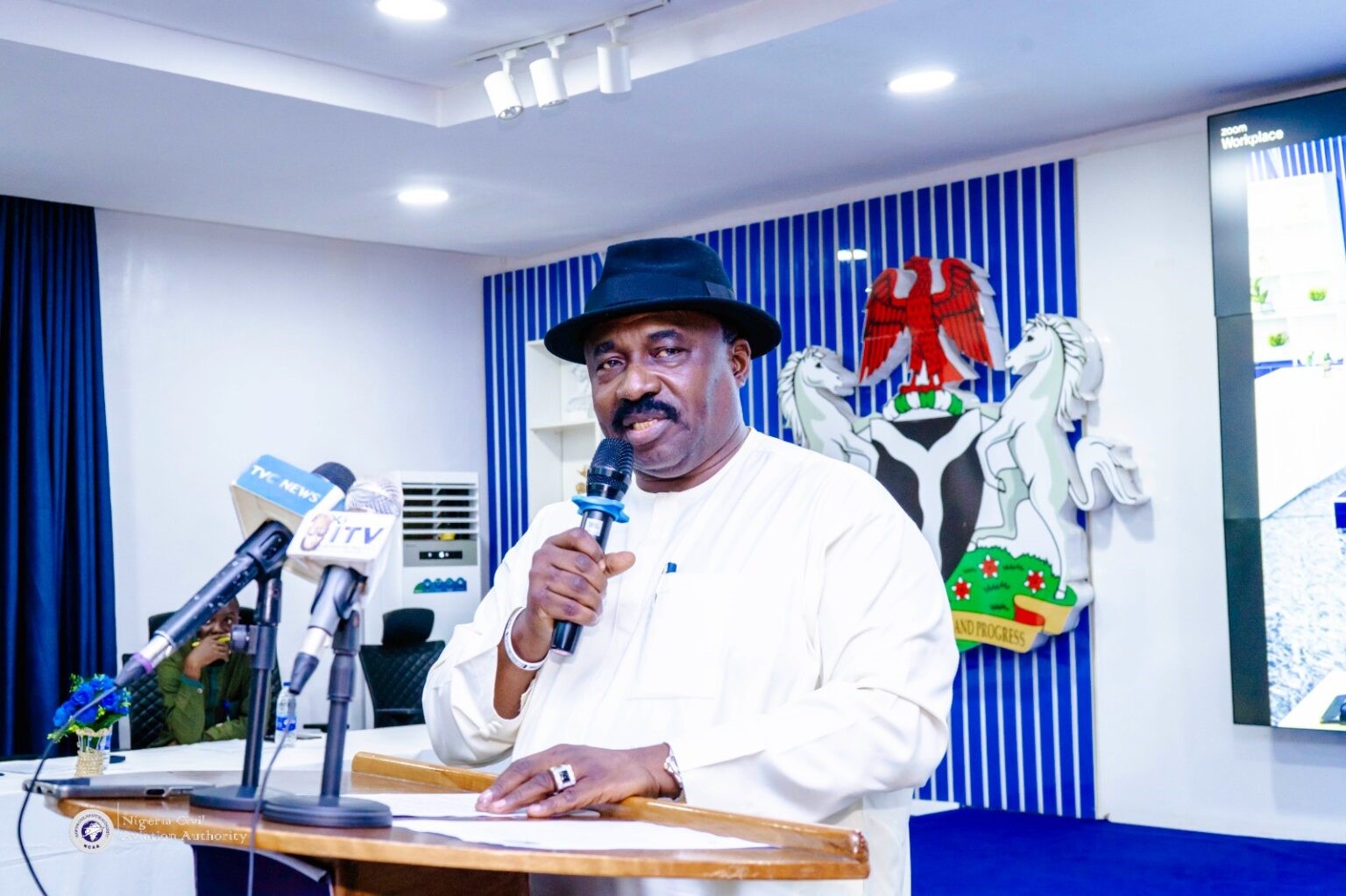
NCAA Director Highlights Ongoing Flight Delays and Cancellations in Nigeria
Chris Najomo, Director-General of the Nigerian Civil Aviation Authority (NCAA), has acknowledged that flight delays and cancellations in Nigeria’s aviation sector mirror global trends. However, he emphasized that airlines must enhance their management of disruptions and communication with affected passengers.
Najomo made these remarks during an interview on Channels Television’s Sunrise program on Saturday. He noted that delays and cancellations are common across the globe, contributing to frustrations among Nigerian travelers due to frequent disruptions, last-minute schedule changes, and inadequate communication from various domestic airlines.
Response to Flight Disruptions Needs Improvement
While Najomo acknowledged that disruptions are a universal issue, he underscored the importance of how Nigerian airlines react to passengers when these disruptions occur. “What matters is how these airlines communicate delays and cancellations to passengers,” he remarked. He pointed out that regulatory requirements mandate airlines to provide accommodations and compensation based on the duration of the delay.
According to NCAA regulations, passengers are entitled to refreshments after a two-hour delay, with refunds or alternative arrangements provided for longer delays. However, Najomo identified significant communication gaps, particularly for passengers booking through third-party agents. “Some passengers do not buy tickets directly, which can complicate how information reaches them,” he explained, noting that many only receive updates at the airport.
Addressing Regulations and Operational Challenges
Despite recognizing the operational challenges faced by airlines, NCAA officials stated that prolonged delays are unacceptable. “It is outrageous for a flight scheduled for 9 a.m. to leave in the evening,” Najomo asserted. He outlined several contributing factors to the disruptions, including adverse weather, technical issues—often referred to as aircraft on ground (AOG)—and a rise in bird strike incidents.
Najomo described how numerous bird strike occurrences had prompted the agency to collaborate with the Federal Airports Authority of Nigeria to mitigate these risks. Additionally, he affirmed that the NCAA is intensifying its efforts to enforce compliance through increased engagement with airlines and imposing sanctions where necessary.
Public Awareness and Education Campaigns
The NCAA, while striving to uphold operational standards, is also increasing awareness campaigns aimed at educating passengers about their rights and responsibilities. This initiative seeks to empower travelers in navigating the complexities of flight operations and potential delays.
Heightened Scrutiny Amid Recent Incidents
In light of recent incidents, the scrutiny on airline operations in Nigeria has intensified. Widespread flight delays and cancellations have made headlines, including a notable event involving Air Peace Limited that stranded passengers at London’s Gatwick Airport. The airline cited a bird strike as the root cause, which highlighted significant concerns over aviation safety and the need for immediate aircraft inspections.
This situation was amplified by public complaints, including comments from Nigerian celebrity Funke Akindele, which highlighted communication deficiencies experienced by passengers during disruptions and raised ongoing concerns regarding their welfare.
Balancing Expectations and Industry Realities
While the NCAA remains committed to holding airlines accountable, Najomo acknowledged that some level of disruption is an inescapable reality within the aviation industry. “There is no place in the world where there are no delays or cancellations,” he noted. However, for many passengers, the manner in which airlines respond to these issues is a more pressing concern, and regulators continue to monitor the situation closely.
