


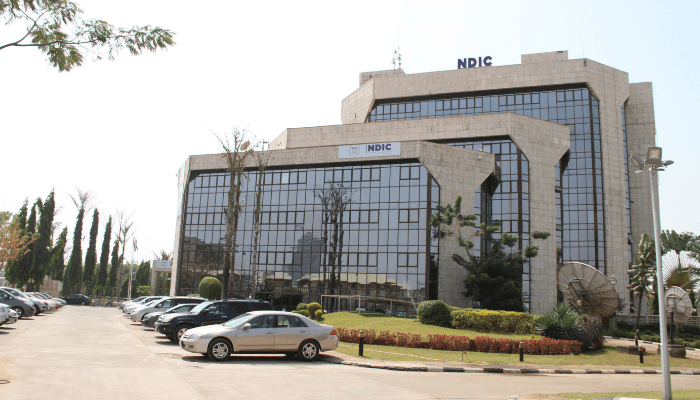
NDIC Moves to Liquidate Closed Microfinance and Primary Mortgage Banks
The Nigeria Deposit Insurance Corporation (NDIC) has initiated the final steps to liquidate 89 Microfinance Banks (MFBs) and Primary Mortgage Banks (PMBs) that were recently shut down. This development follows the successful acquisition of these institutions under the Corporation’s Purchase and Underwriting (P&A) resolution model.
Background of Bank Closures
The closure of these 89 banks is part of a broader action involving 179 MFBs and four PMBs, whose banking licenses were revoked by the Central Bank of Nigeria (CBN) on May 22 and 23, 2023. Under acquisition and underwriting agreements, the CBN granted licenses to 89 qualified institutions to take over the assets and liabilities of the defunct banks, allowing them to start operations under new names.
Legal Proceedings for Liquidation
To officially finalize the liquidation, the NDIC plans to file applications with the various divisions of the Federal High Court. These applications will seek orders to wind up the operations of the defunct banks and to formally relieve the NDIC from its role as liquidator in these matters. This process aligns with the standards set forth in the Implementing Act and other relevant legislation.
New Banking Entities Emerge
The following is a list of banks undergoing transition, along with their new names:
- Muau Vasmukus Microfinance Bank Limited is now MOBASCO OP Microfinance Bank Limited.
- Eduek Microfinance Bank Ltd. has rebranded as Mint Microfinance Bank Limited.
- INI Microfinance Bank Limited is now identified as UFORO Microfinance Bank Co., Ltd.
- NSEHE Microfinance Bank Ltd. has transformed into Vista Microfinance Bank Limited.
- Zawadi Microfinance Bank Limited is now known as Jitra Microfinance Bank Limited.
- AKPO Microfinance Bank Ltd. has changed its name to Oganil Microfinance Bank Co., Ltd.
- Anya Microfinance Bank Ltd. is now Pioneer (Diohaunoego) Microfinance Bank Limited.
Projected Impact on the Financial Landscape
This transition reflects ongoing efforts to stabilize and rejuvenate Nigeria’s financial sector. By liquidating troubled banks and enabling new institutions to emerge, stakeholders anticipate a more robust banking environment that can better serve the needs of consumers and businesses alike.
Future Prospects for New Institutions
The replacement of defunct banks with newly licensed entities raises questions about their operational capabilities and market strategies. Observers will be closely monitoring how these institutions leverage their new licenses to attract customers and restore trust in the microfinance sector, which has often faced challenges such as regulatory compliance and financial sustainability.
Conclusion of Current Developments
As the NDIC progresses with the liquidation process, it highlights the commitment to upholding banking standards and protecting depositors. The comprehensive overhaul of these financial entities signifies a pivotal step towards reinforcing the integrity and stability of Nigeria’s banking landscape.
