


Nigerian Electricity Regulatory Commission Unveils 2026 Net Billing Regulation
The Nigerian Electricity Regulatory Commission (NERC) is set to introduce the 2026 Net Billing Regulation, an initiative aimed at bolstering energy security and promoting the use of renewable energy throughout the nation. The announcement was made in a public notice issued to various stakeholders, including electricity consumers, distribution companies, renewable energy developers, and industrial customers.
This regulation establishes a framework for eligible electricity consumers, referred to as “prosumers,” to generate their own power predominantly through renewable sources like solar photovoltaic systems. These prosumers will also have the opportunity to sell excess electricity back to the grid under a net tariff system.
According to NERC, the new regulation is designed to facilitate the adoption of renewable energy technologies while enhancing the reliability and security of electricity for consumers. This initiative signals a significant shift towards energy independence for both residential and commercial entities.
Moreover, the regulatory body emphasized that this move aims to encourage greater involvement from the private sector in distributed power generation. It also seeks to bolster efforts to mitigate greenhouse gas emissions and improve the integration of renewable energy systems into existing electricity distribution networks.
Eligibility Criteria for Participation
To participate in the net billing program, customers must be connected to a licensed electricity distribution company’s network. They are required to install renewable energy systems that adhere to the established technical standards and regulatory guidelines.
Eligible renewable energy systems should have an installed capacity ranging from a minimum of 50 kilowatts peak (kWp) to a maximum of 1.5 megawatts peak (MWp). Additionally, participants must obtain approval from the relevant distribution company, finalize a net billing agreement, and complete the registration process with NERC.
Prospective participants are encouraged to apply for a technical feasibility assessment through their sales company before receiving approval. The commission noted that only after finalizing the Net Billing Agreement can applicants register with NERC as stipulated by the regulations.
Metering and Credits for Exported Power
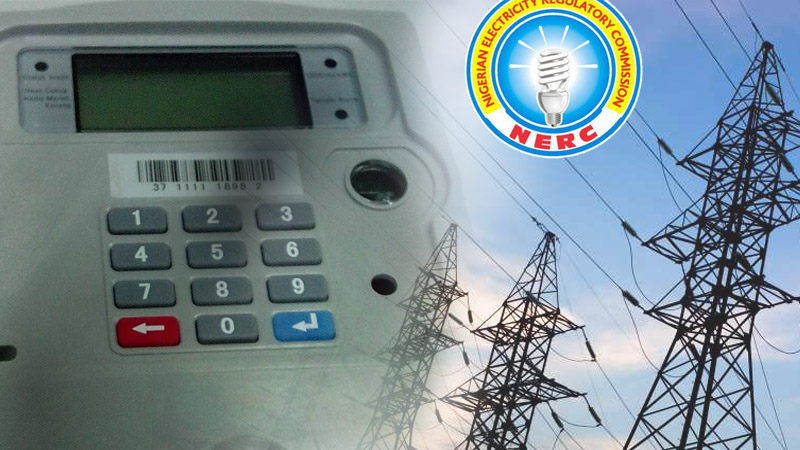
NERC will provide approved participants with two-way net meters, which are essential for measuring the amount of electricity exported to and imported from the grid. The commission clarified that surplus electricity sent back to the grid could earn participants credits based on the export tariffs established under the new regulations.
This regulatory development comes at a time of heightened interest in distributed power generation and an increase in the adoption of solar energy solutions among both households and businesses looking for reliable alternatives to unstable power supplies.
