


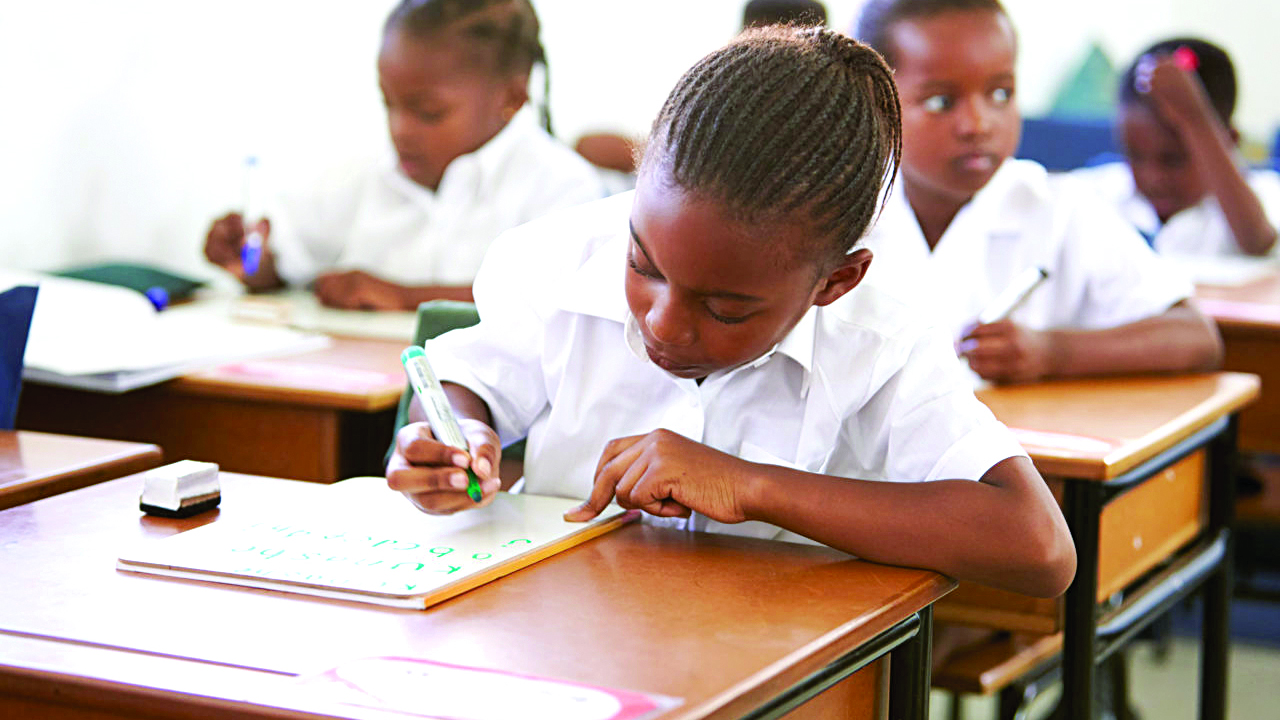
Concerns Over Declining Reading Culture Among Nigerian Children
Yeshua’s Arm, a non-governmental organization, has raised alarm about the diminishing reading habits among Nigerian youth, linking this trend to an uptick in social media usage and inadequate access to books.
New Library Installation in Epe
This concern was highlighted during the inauguration of a library at St. Teresa School in Epe, Lagos State, a project part of a literacy initiative in collaboration with Dow Chemical Company.
Social Media’s Impact on Young Readers
Kemi Williams, the founder and chief executive of Yeshua’s Arm, noted at the event that many children now spend more time on social media than engaging in constructive reading activities. She emphasized the urgency of addressing this issue, stating that social media exacerbates the challenge, as children often find themselves engrossed in skits and various online content.
Establishing Libraries to Promote Literacy
Williams explained that the decline in reading habits prompted the organization to create libraries and enhance mobile library services across schools and communities. The initiative aims to foster literacy, enrich reading culture, and enhance critical thinking skills by improving access to books and educational resources.
Empowering Students Through Learning Opportunities
With the expectation of reaching over 2,000 children, Williams expressed excitement about providing resources that were previously unavailable at their school. The library encompasses not just a collection of books but also aims to support independent learning and cognitive growth.
Transforming Educational Outcomes
She emphasized that improving access to literature is crucial for enhancing learning outcomes in classrooms and elevating overall educational quality across Nigeria. Williams passionately believes that quality education for every child will elevate standards nationwide and contribute to the nation’s prosperity.
The Importance of Investing in Education
Williams reinforced the idea that Nigeria’s greatest asset is its human capital, urging more investment in education and literacy development. She declared, “Nigeria’s most valuable resource is not oil; it is our people, our children,” underscoring the need for a shift in perspective towards prioritizing education.
Ensuring Project Sustainability
The organization is committed to working closely with schools to maintain the sustainability of the project through continual literacy support. Williams explained, “We don’t just implement these initiatives and walk away; we provide ongoing assistance with literacy support staff who work alongside teachers and students to integrate reading into the curriculum.”
Mobile Library Initiatives and Future Expansion
Yeshua’s Arm has already launched mobile libraries in several schools, facilitating regular borrowing of books by students, which has been met with enthusiasm. In addition to establishing around ten permanent libraries, they have impacted 20 to 30 schools through their mobile library program, offering a diverse selection of approximately 1,500 books sourced from both international and Nigerian authors.
Corporate Commitment to Education
Additionally, Toby Lade Valmon, Site Implementation Leader at Dow Industrial Chemical Products Nigeria Limited, articulated the company’s dedication to enhancing educational infrastructure and opportunities for children. He emphasized that this initiative goes beyond corporate social responsibility, aiming to create sustainable communities by nurturing tomorrow’s leaders through educational initiatives.
Future Plans for Community Libraries
Valmon revealed that the current phase of this initiative includes constructing multiple school libraries within the Epe Local Government Area, with plans in place to commission four new libraries this week. The NGO, now based in Lagos State, aims to broaden its library and literacy programs to other regions as it expands its partnerships and resources.
