


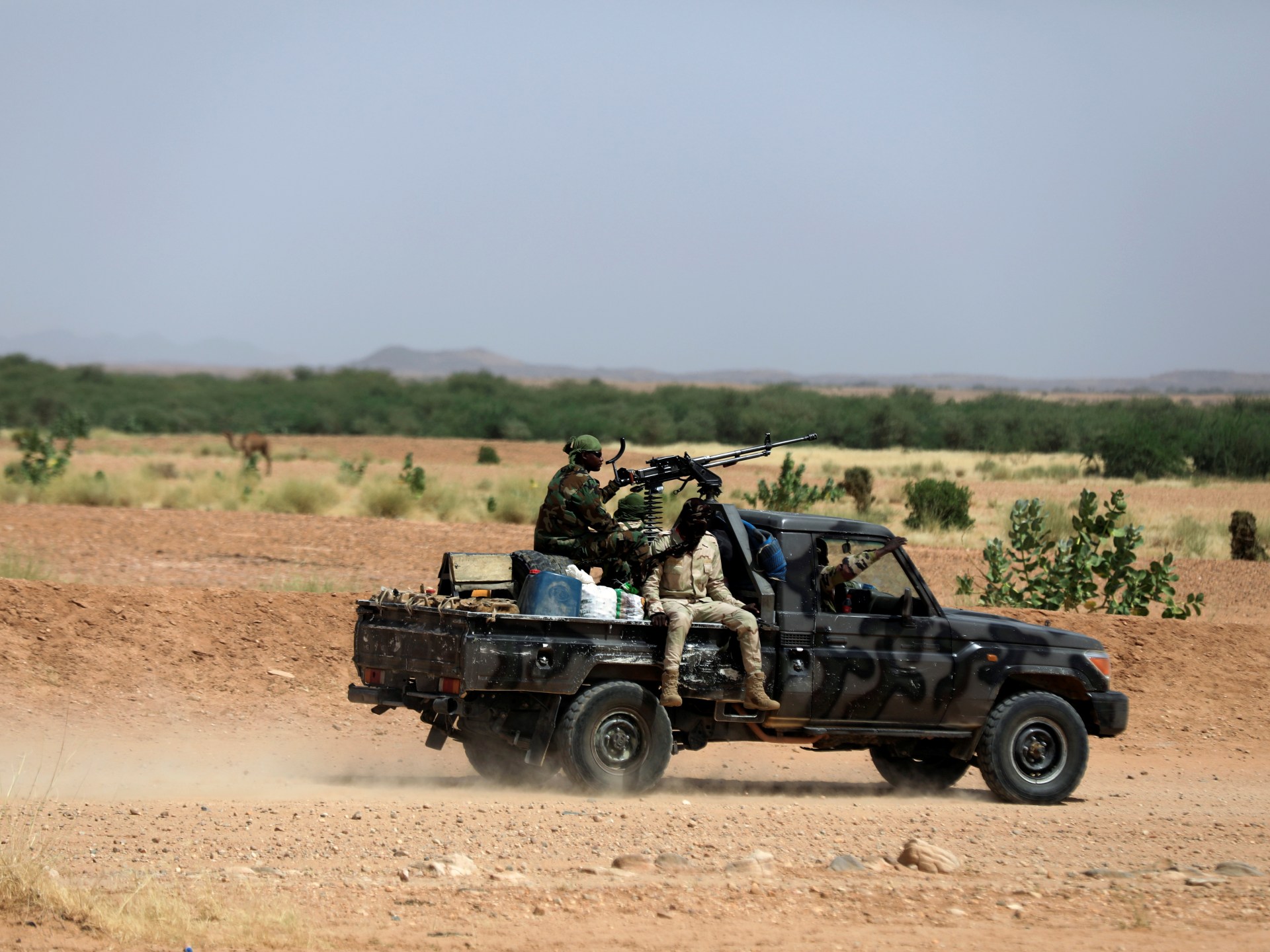
Nigeria has expressed its openness to U.S. assistance in combating insurgent groups, provided that its territorial integrity is respected. This comes as U.S. President Donald Trump escalates his threats of military action in response to reports of religious persecution in the country.
Nigerian Officials Challenge Claims of Targeted Violence
Nigerian officials and experts flatly rejected President Trump’s assertions regarding mass killings of Christians, emphasizing that groups like Boko Haram and al-Qaeda affiliates are, in fact, attacking individuals of various faiths throughout the nation. The complexities of the conflict in Nigeria cannot be reduced to a singular narrative of religious targeting.
Potential U.S. Military Action Looms
Trump’s rhetoric intensified over the weekend as he reiterated his administration’s consideration of various military options for Nigeria. When questioned by reporters about the possibility of U.S. military presence or airstrikes, Trump suggested, “There could be a lot of things… I’m thinking of a lot of things.” This statement has raised significant concerns both domestically and internationally.
Nigerian Response to Allegations of Genocide
In a recent interview, Kimyebi Imomotimi Ebienfa, spokesperson for Nigeria’s Ministry of Foreign Affairs, categorically denied the existence of a targeted genocide against Christians in the country. He acknowledged the challenges posed by violence but insisted, “The narrative that only Christians are being targeted is not true. There is no genocide of Christians in Nigeria.” He further underscored that the victims of violence include Muslims and followers of traditional religions.
Nigeria’s Stance on Foreign Intervention
Ebienfa emphasized Nigeria’s readiness to collaborate with international partners to combat terrorism while firmly rejecting any actions that might undermine the nation’s sovereignty. He stated that the Nigerian government is not complicit in the violence, attributing the killings to terrorist organizations like Boko Haram and various al-Qaeda affiliates.
Diplomatic Efforts Amid Rising Tensions
Bola Tinubu, an advisor to Nigeria’s president, supported this claim. Daniel Bwala, another key figure, expressed that Nigeria is prepared to welcome U.S. assistance, provided it acknowledges Nigeria’s territorial sovereignty. Despite Trump’s harsh characterization of Nigeria, Bwala remained optimistic, suggesting that positive dialogue could lead to more productive outcomes in their joint efforts against terrorism.
Reassessment of Religious Freedom in Nigeria
President Trump’s military threats emerged shortly after the U.S. reinstated Nigeria on its list of “countries of special concern” regarding religious freedom violations, alongside nations such as China and North Korea. In response, Tinubu defended Nigeria’s commitment to safeguarding religious liberties, highlighting the diversity of his administration’s military appointments and ongoing engagement with both Christian and Muslim leaders to address security challenges.
Debunking the “Genocide” Narrative
Human rights organizations have urged the Nigerian government to take stronger action against ongoing violence from Boko Haram and other militant groups. However, experts contest the narrative of a “genocide of Christians,” asserting that such claims misrepresent the broader realities of violence in Nigeria. Analyst Bulama Bukarti pointed out that armed groups indiscriminately target both Muslims and Christians, exacerbating societal divisions and instability.
According to the U.S.-based crisis monitoring group ACLED, the majority of attacks on civilians in Nigeria are not ideologically driven by religion. The statistics show that only a small fraction of attacks specifically targeted Christians based exclusively on their faith. The complexities of Nigeria’s conflicts often involve tangled issues of political power, land disputes, and ethnic tensions, making a simplistic narrative misleading and dangerous.
