


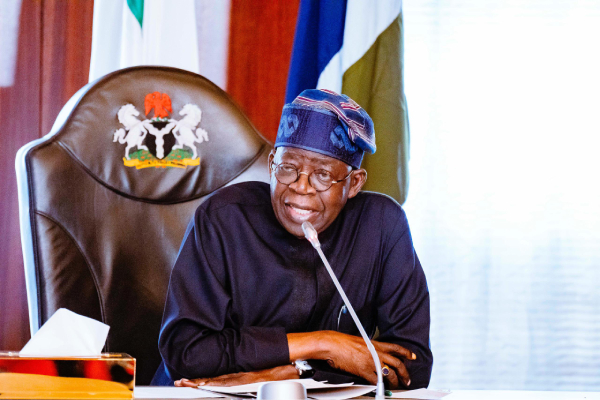
Increased Efforts Against Drug Abuse and Trafficking in Nigeria
President Bola Tinubu has reaffirmed Nigeria’s commitment to eradicating drug abuse and trafficking through innovative, evidence-based interventions. This statement was made during the grand finale of the event celebrating the 2026 International Day Against Drug Abuse and Illicit Trafficking, held at the Presidential Villa in Abuja.
Significant Law Enforcement Achievements
In a bold display of law enforcement action, the Nigerian authorities have made substantial progress in the fight against drugs. Over the past 18 months, they have arrested 29,262 individuals and secured the convictions of 5,225 criminals. Additionally, law enforcement agencies seized over 5.3 million kilograms of various illegal substances, valued at more than N1.5 trillion.
Utilizing Technology to Combat Drug Trafficking
Speaking on behalf of the President, the Attorney General and Minister of Justice, Lateef Fagbemi, emphasized the necessity for adaptive strategies to address the evolving nature of global drug issues. He underscored the theme, “The Global Drug Problem: Deep Problems, Emerging Challenges, and Innovative Responses,” highlighting how drug abuse disrupts families, educational institutions, workplaces, and national security.
Strengthening Intelligence and Forensic Capabilities
In response to these threats, the Nigerian government is enhancing border controls, deploying advanced surveillance technologies, and gathering intelligence focused on drug trafficking networks. Under the New Hope Agenda, the administration aims to expand educational and employment opportunities, addressing the socio-economic factors that drive individuals towards substance abuse.
Collaboration in Dismantling Drug Networks
President Tinubu emphasized the role of science, technology, and reliable data in early identification of drug trends and informing strategic decisions. He praised the National Drug Law Enforcement Agency (NDLEA), led by Brigadier General (Rtd) Mohammed Buba Marwa, for successfully dismantling organized drug cartels, including Nigeria’s largest methamphetamine lab. Recent operations have resulted in the identification and apprehension of significant drug lords, further destabilizing major trafficking networks.
Community-Level Demand Reduction Initiatives
Recognizing that enforcement alone cannot resolve the drug crisis, the NDLEA has actively expanded its Drug Demand Reduction (DDR) efforts. Through its War on Drug Abuse (WADA) campaign, the agency conducted 6,645 educational programs across schools, workplaces, and correctional facilities, reaching nearly 5 million Nigerians. Furthermore, in the past 18 months, 13,508 drug users accessed counseling, treatment, and rehabilitation through 31 nationwide centers.
Advancing Alternative Development Programs
The NDLEA is also launching Africa’s first Alternative Development Program, aligned with the New Hope agenda. This initiative aims to support illegal cannabis farmers in shifting towards cultivating legal crops such as cassava, maize, cocoa, and cowpeas, thereby promoting sustainable livelihoods.
Experts have echoed the importance of institutional revitalization in winning the war on drugs, with Prof. Oluwatoyin Odek from the University of Ibadan stating that positive changes have been evident since 2021. The United Nations Office on Drugs and Crime (UNODC) has commended the Nigerian government for its balanced approach, prioritizing both supply reduction and evidence-based, human rights-focused demand reduction strategies.
