


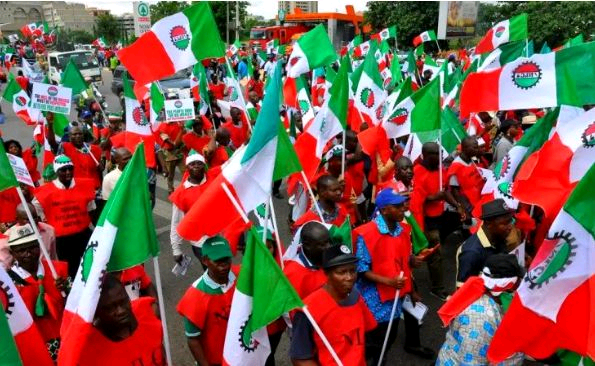
Nigeria Marks International Workers’ Day Amidst Economic Hardships
On May 1, 2026, Nigeria joined the global community in celebrating International Workers’ Day, but the atmosphere is far from festive. Insecurity, escalating costs, and diminishing economic stability have rendered everyday survival a formidable challenge for millions of workers across the nation.
In major urban centers like Lagos, Abuja, and Port Harcourt, workers embark on their daily commutes uncertain of what awaits them. The threat of “Wanchan” robbery syndicates, which masquerade as commercial drivers, casts a shadow over travel. Many commuters face robbery, assault, and even kidnapping on their way to work.
Compounding this anxiety is the financial pressure stemming from soaring transportation costs. With rising fuel prices creating a ripple effect, workers are forced to allocate a significant portion of their already stretched incomes just for their daily journeys. As Labour Day approaches, a pressing question arises: is the current minimum wage sufficient to support a family of four in Nigeria?
Minimum Wage Increases Amidst Economic Challenges
President Bola Tinubu recently approved a new national minimum wage of 70,000 naira for 2024, promising regular reviews and additional benefits across various sectors. Federal employees are set to receive a provisional wage of 35,000 naira, along with salary adjustments for military, judicial, and civil servants. While these measures aim to mitigate the impact of subsidy removals and broader economic reforms, many workers express skepticism, arguing that the harsh realities contradict government assurances.
For the majority, the answer is a resounding “no.” Escalating costs of food, rent, fuel, and utilities are straining workers’ budgets, making what was once considered a modest standard of living now seem unattainable. Furthermore, healthcare, which should provide some respite, has become yet another burden. A frail health insurance system fails to alleviate financial strain, with many relying on costly out-of-pocket expenses for medications often unavailable at hospitals.
Frontline Voices Highlight the Workers’ Plight
Our correspondent spoke with Amina Kabiru, a civil servant in Abuja, who shared her struggle for survival. She lives in Suleja and works at a government agency nearby, spending 3,000 to 4,000 naira daily on transportation. “Despite being a level 8 worker, my take-home pay, after taxes and other expenses, barely covers my family’s basic needs,” she lamented. “Food and electricity costs are overwhelming, and we’re barely getting by.”
The plight of workers has drawn concern from various labor and political leaders. Farah Dagogo, a former federal lawmaker and 2023 gubernatorial candidate in Rivers State, emphasized that workers are vital to Nigeria’s growth and stability, stressing their unyielding dedication even amidst daunting challenges. “This situation is unsustainable,” he insisted, advocating for a comprehensive reform agenda in health, education, and security sectors to enhance workers’ welfare.
Labor Unions Demand Urgent Reforms
Labor leaders echo these sentiments, with the Nigeria Labor Congress (NLC), under the leadership of President Joe Ahayero, voicing alarm over the deteriorating conditions faced by workers. “As inflation erodes wages and basic necessities become increasingly unaffordable, Nigerian workers are being pushed to the brink,” the NLC stated. Similarly, the Trade Union Congress of Nigeria (TUC) has called for urgent wage reforms, highlighting the inadequacy of the current minimum wage in reflecting economic realities.
Activists are also amplifying these concerns. Prominent advocate Aisha Yesufu expressed the intersection of security concerns and economic stress, arguing that the inability of workers to travel safely compounds the crisis. “This is not merely theoretical; it’s a palpable fear facing our workforce daily,” she asserted.
The Reality for Nigerian Workers
For many, Labor Day becomes more of a day for reflection than celebration. John Terhemba, an employee at a government agency in Abuja, recounted his harrowing encounter with criminals known as “one chance” robbers. Recently, he was kidnapped while commuting home and forced to contact his family for a ransom. His experience underscores the very real dangers that many workers face in their daily lives.
Despite these challenges, the resilience of Nigerian workers remains evident. Dagogo noted the importance of recognizing and supporting employees, stating his commitment to enhancing their benefits as a gesture of appreciation for their service. He urged workers to remain hopeful and continue advocating for change in the country’s trajectory.
This Labor Day, the call for action is clear. Beyond ceremonial acknowledgments, the imperative lies in translating gratitude into policy measures that safeguard the welfare of Nigeria’s workforce. Ensuring their dignity and security must be a priority as the nation faces its multifaceted challenges.
