


Nigeria’s Mineral Wealth Offers Pathway to Clean Energy Transition
The Federal Ministry of Solid Minerals Development has announced the findings of a new report that highlights Nigeria’s substantial lithium, copper, and bauxite deposits as pivotal assets for advancing the nation’s clean energy transition and bolstering domestic industrialization efforts.
Released by the Global South Critical Minerals Development Council during an event in Abuja on Monday, the report outlines strategies for Nigeria to capitalize on its mineral resources to satisfy the escalating demand for renewable energy technologies, while also emphasizing the importance of retaining economic value within the country.
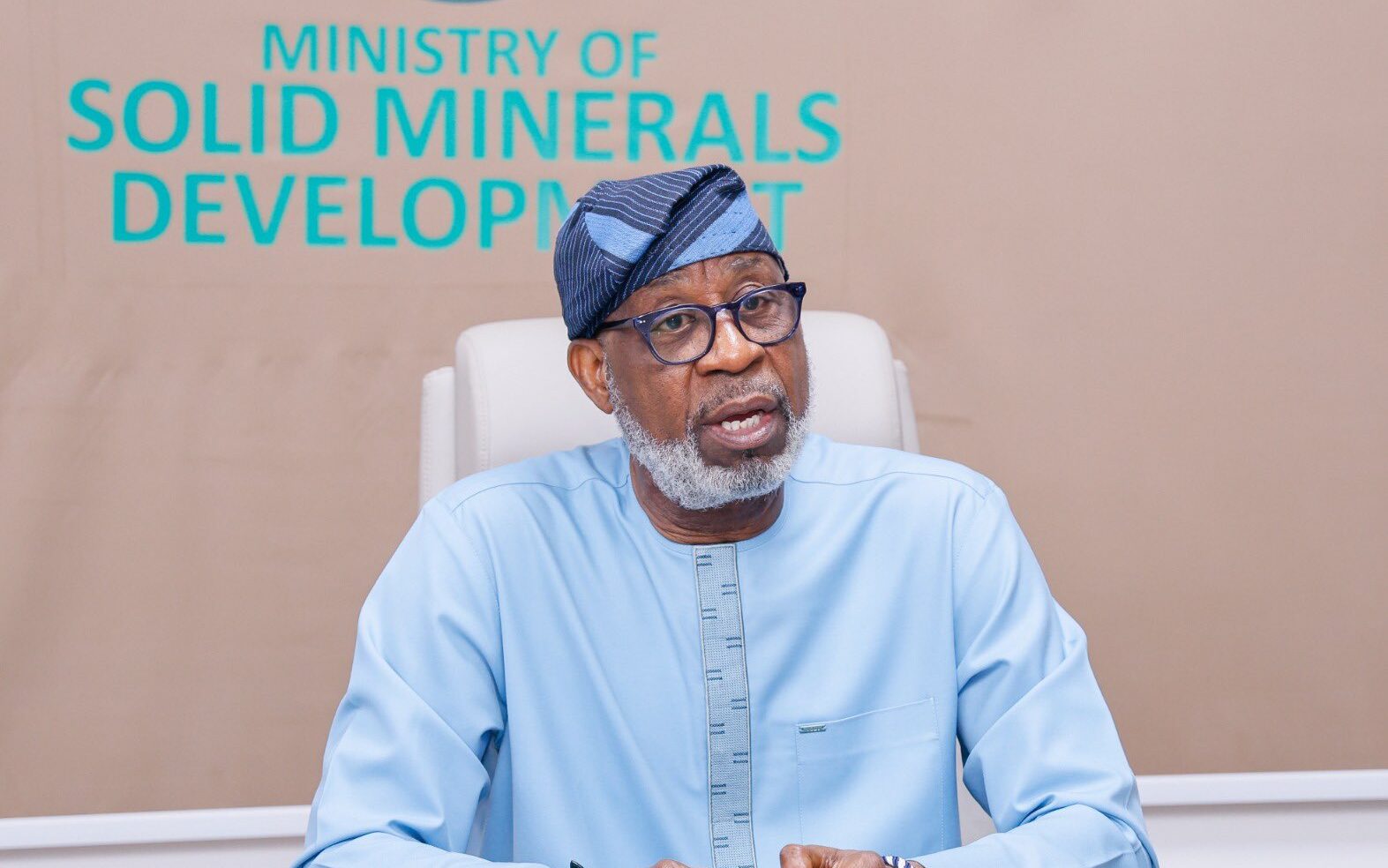
During a formal presentation at the State House of Assembly, the report was handed over to Minister of Solid Minerals Development, Dele Arake. According to a statement issued by the Minister’s Special Assistant on Media, Lala Owoeye Wise, this report follows recent announcements about a world-class polymetallic mineral discovery in Kaduna state, which includes deposits of platinum group metals, gold, nickel, copper, lithium, and rare earth elements. The minister described this finding, verified by the Nigeria Geological Survey Agency (NGSA), as one of the most significant advancements in Nigeria’s mining sector to date, strengthening the country’s position in the critical minerals landscape.
The report details Nigeria’s anticipated demands for solar photovoltaic (PV) systems, battery storage technologies, and electric vehicles, alongside current trends in mineral production and trade. The analysis concludes that the country’s lithium, copper, and bauxite resources align well with the necessary minerals for fostering a cleaner energy future.
Moreover, it identifies existing gaps within Nigeria’s mineral value chain and proposes policy measures designed to maximize the economic potential of the country’s mineral wealth.
Guiding Nigeria Towards Green Industrialization
Upon receiving the report, Minister Arake articulated its importance as a source of actionable policy guidelines aimed at transforming Nigeria’s mineral resources into a platform for sustainable industrial growth. He emphasized the value of mapping out demand, supply, and trade patterns, stating that the report outlines specific pathways for leveraging Nigeria’s resources to support green industrialization.
Arake also pointed out that this initiative aligns with the ministry’s overarching goal of moving Nigeria beyond merely exporting raw minerals, towards developing local industries that generate jobs and add economic value.
Collaboration for a Sustainable Future
The ministry has committed to collaborating with the Global South Critical Minerals Development Council to create a localization roadmap for the minerals-to-manufacturing process, aiming to boost domestic processing and manufacturing capabilities. This partnership seeks to attract investment from Global South nations while fostering collaborations with manufacturers interested in enhancing Nigeria’s clean energy sector.
In addition, local stakeholders will actively promote projects related to green industrialization, tapping into Nigeria’s significant mineral resources. The Global South Critical Minerals Development Council is formed in collaboration with Sustainable Energy for All (SEforALL) and the Global South Clean Transportation Center at the UC Davis Transportation Institute.
