


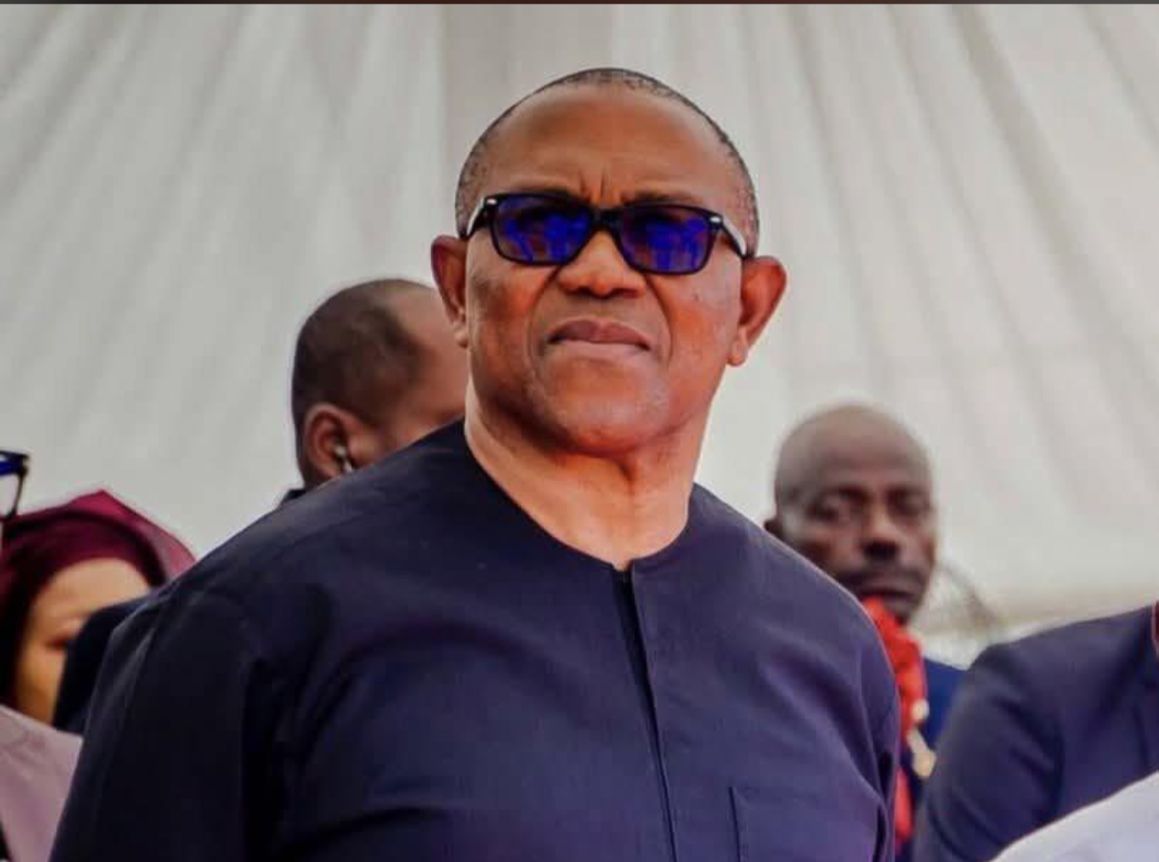
Peter Obi’s One-Term Commitment Faces Scrutiny Ahead of 2027 Elections
The promise made by Peter Obi, former Governor of Anambra State, to serve only a single term if elected president has ignited fresh debate as Nigeria approaches the 2027 general elections. Prominent figures, including presidential aides and seasoned journalists, are questioning the authenticity of his pledge.
Bayo Onanuga, Special Assistant to the President on Information and Strategy, publicly dismissed Obi’s commitment during a post on X. He urged Nigerians to regard the promise with skepticism, emphasizing the need for a critical view of political pledges in light of Obi’s fluctuating political history.
In a recent television interview, Obi reiterated his intent to limit his presidency to four years, citing principles of equity and zoning as key motivations. Onanuga responded by pointing out that Obi’s shifts in political affiliations—from the All Progressives Grand Alliance (APGA) to the Peoples Democratic Party (PDP)—suggest that his promises have often been unreliable.
Obi’s declaration during the interview, claiming he would not extend his presidency even under duress, has been met with skepticism. Onanuga characterized Obi’s vow as inconsistent and labeled it as lacking credibility, arguing that historical patterns indicate these types of promises are often broken.
Further complicating the narrative, some Nigerians recall Obi’s alleged commitment to the late Chukwuemeka Odumegwu Ojukwu that he would remain with APGA. Despite widespread belief among supporters that he would uphold this promise, Obi later shifted allegiance to the PDP upon completing his gubernatorial term, though he has never explicitly acknowledged making such a promise to Ojukwu.
Political experts suggest that whether these allegations are substantiated or not, they could amplify doubts regarding Obi’s recent commitment to a one-term presidency. Veteran journalist Mustafa Mohammed, a co-anchor on Ray Power FM’s political platform, also questioned the feasibility of such a promise. He argued that the allure of power often complicates politicians’ intentions, making it difficult for them to relinquish their positions voluntarily.
Mohammed pointed out that similar promises have been made in the past, only for newly-elected officials to reassess their commitments once in office. “Political rhetoric rarely translates into reality,” he stated, referencing historical examples, including former Vice President Atiku Abubakar’s pledges that were broadly dismissed by the electorate.
This ongoing discussion highlights the intensifying political landscape as prominent figures gear up for the 2027 elections, positioning themselves amid a backdrop of skepticism surrounding their commitments.
