


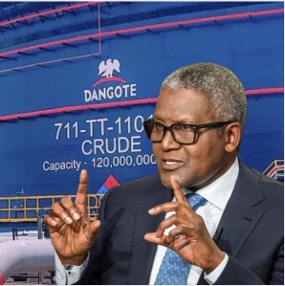
Recognition of Aliko Dangote’s Impact on Africa’s Economy
Les Ojugbana, the founder of Lagos-based Farm Afrik, commended Aliko Dangote for his remarkable contributions to reshaping Africa’s energy and industrial sectors. Ojugbana highlighted Dangote’s outstanding track record in fostering economic development across the continent.
Emphasizing Africa’s Energy Independence
Ojugbana, who hails from the renowned Ojugbana family—known for extensive expertise in business consulting and advisory roles in various sectors both in the private and public arenas—stressed the critical importance of industrial leadership and energy autonomy for Africa’s economic future.
Impact of the Dangote Refinery on African Industry
Addressing pivotal issues surrounding energy policy, economic sovereignty, and industrial advancement, Ojugbana identified the Dangote refinery as one of the most significant economic undertakings in recent African history. He underscored its transformative potential for the nation and the region.
Critique of UK Energy Policy
Ojugbana did not shy away from voicing concerns regarding the United Kingdom’s current energy strategy. He argued that the UK’s aggressive move towards green policies is undermining its economy while simultaneously increasing reliance on foreign energy imports.
Inconsistencies in Energy Sourcing
Ojugbana observed that the UK’s energy approach is contradictory, particularly when considering the North Sea’s oil and gas reserves, which neighboring countries continue to exploit. He pointed out, “Norway is drilling and profiting from the UK’s own borders,” emphasizing that the UK’s strategy of importing energy from other nations, while forfeiting its own resources, is not economically sound.
The Importance of Affordable Energy for Economic Growth
The founders of PharmaFric echoed Ojugbana’s sentiments, asserting that affordable energy is vital for economic growth, industrial competitiveness, and national sovereignty. Ojugbana articulated that a robust economy cannot thrive without reliable and cost-effective energy resources. He cautioned against the devastating impacts of forcing citizens into energy dependence and poverty under the guise of ideological goals.
Questioning the Efficacy of Climate Policies
Additionally, Ojugbana questioned the effectiveness of the UK’s global climate change strategy, noting that the country accounts for less than 1% of global carbon emissions. He argued, “The damage Britain does to its own economy will not significantly impact the global climate.” Instead, he pointed out that major economies are continuing to expand their industries and fossil fuel production, deeming the UK’s current strategy as economically impractical.
Embracing Natural Resources in Nigeria
In stark contrast, Ojugbana praised Nigeria for its proactive approach to utilizing its natural resources as a means to stimulate industrial growth and national wealth. “Nigeria is doing it right,” he stated. “We drill, we pump, and we generate profits. Countries must leverage their natural resources to build infrastructure and create opportunities for their citizens.” His observations come at a time when energy costs, industrial decline, and the long-term economic effects of net-zero policies are hotly debated across Europe.
