


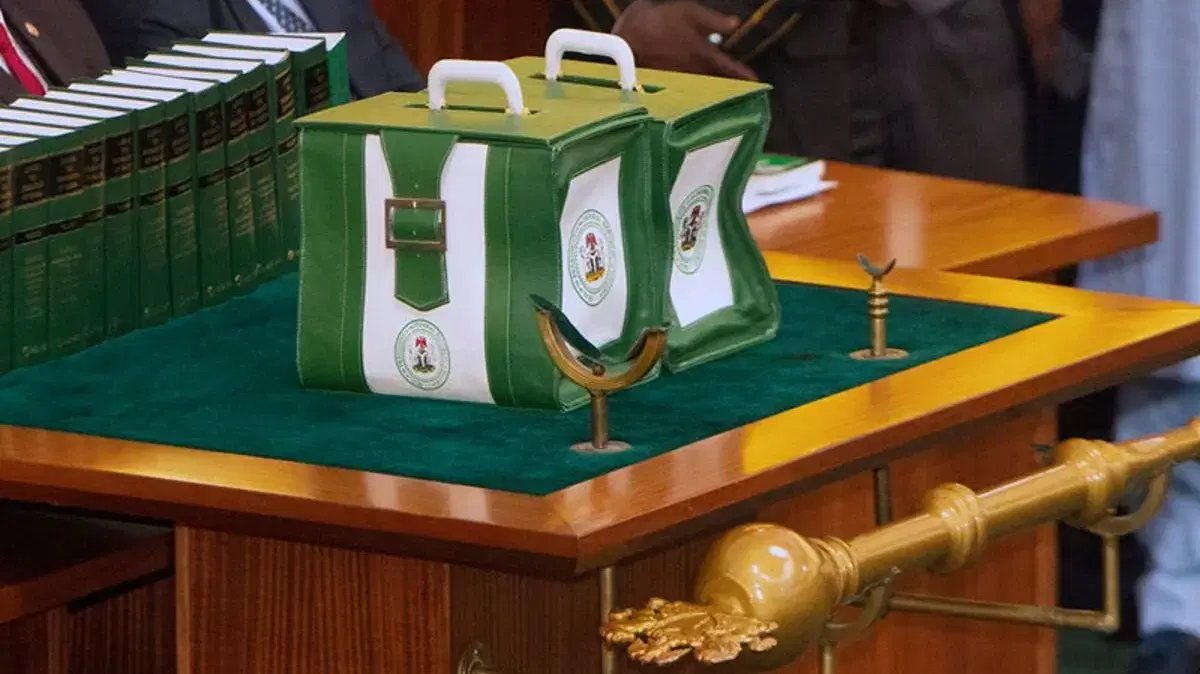
Nigerian States Kick Off 2026 with Unprecedented Budgets
As 2026 unfolds, Nigerian states have unveiled some of their largest budgets to date. Fueled by enhanced federal allocations and ambitious revenue forecasts, many state governments are poised to make substantial investments in key areas such as infrastructure, healthcare, education, and agriculture. These initiatives are framed as a means to address pressing development priorities across the nation.
High Expectations Amid Implementation Challenges
Such record-setting budgets have led to elevated expectations nationwide. However, initial figures from the first quarter indicate that many states are still grappling with the age-old issue of translating budgetary commitments into tangible project outcomes. This distinction is crucial for policymakers, development practitioners, investors, and the general public alike. While budgets often reflect governmental priorities, their successful implementation ultimately determines whether essential infrastructure like roads, hospitals, and schools come to fruition. Development efficacy hinges not on planned expenditures, but on actual delivery.
Insights from State Budget Reports
An analysis of the first quarter budget implementation reports for Bayelsa, Ekiti, Enugu, and Niger states reveals valuable insights into this challenge. These states were selected for their diverse geopolitical contexts, fiscal capabilities, and budgetary sizes, offering a snapshot of how effectively they are transforming budget plans into actual spending early in the fiscal year.
Patterns of Revenue and Expenditure
The findings paint a revealing picture. While revenue performance varies across states, the implementation of capital investments remains significantly lower than that of recurrent expenditures. For instance, Ekiti state achieved the strongest revenue performance, collecting NOK 65 billion in the first quarter against a projected annual target of NOK 252.2 billion. Meanwhile, Bayelsa followed with NOK 187.6 billion, or 20.5 percent of its annual target, and Niger contributed NOK 77.8 billion, representing 13 percent. In stark contrast, Enugu State lagged behind, accumulating only NOK 101.8 billion from a robust annual forecast of NOK 1.26 trillion, which amounts to just 8.1 percent of the target.
Capital Expenditure Rates Highlight Implementation Gaps
These numbers reflect not only the varying levels of financial performance among the states but also highlight the ongoing difficulties in mobilizing resources despite economic challenges. Historically, the focus of fiscal debates has surrounded states’ capacity to generate adequate revenue for developmental needs. However, the first quarter performance raises an equally pressing question: is this revenue being effectively channeled into visible projects and services for the public?
Capital Budgets Unutilized
Bayelsa’s planned capital expenditure for 2026 stands at NOK 661.5 billion, yet only NOK 77.5 billion was spent in the first quarter, yielding an execution rate of 11.7 percent. Similarly, Ekiti spent NOK 16.9 billion from a capital budget of NOK 193.7 billion, an implementation rate of 8.7 percent, while Niger recorded a 10.1 percent execution with NOK 79.3 billion spent from a NOK 783.7 billion budget. Notably, Enugu’s capital expenditure was alarmingly low, with only NOK 31.4 billion disbursed from a planned NOK 1.3 trillion budget, culminating in a mere 2.4 percent execution rate.
Challenging Trends in Recurrent Versus Capital Expenditure
While capital expenditures in the initial quarter often lag behind those in future quarters due to necessary procurement processes and technical approvals, the data indicates a persistent pattern of implementation challenges across states. Bayelsa executed 17.4 percent of its recurrent budget compared to 11.7 percent of its capital budget, while Ekiti’s rates were 23.3 percent for recurrent and 8.7 percent for capital, and Niger’s figures were 15.7 percent for recurrent versus 10.1 percent for capital. Even Enugu, who displayed weaker overall performance, managed to execute recurrent expenditure at more than double the rate of capital expenditure.
Public Perception and the Reality of Government Performance
This disparity illustrates a widespread tendency among states to prioritize funding for salaries and operational costs over development projects. Although recurrent expenditures are essential for the functioning of government, it is capital investments that yield the infrastructure and public assets vital for enhancing economic productivity and living standards. The public often gauges governmental effectiveness not through budget speeches or projections, but through the tangible quality of infrastructure, educational institutions, healthcare facilities, and overall public services in their communities.
Comparative Analysis of Previous Fiscal Data
Examining data from the first half of 2025 reveals that similar trends persist across states. For instance, Ekiti generated NOK 27.5 billion against its full-year target of NOK 29.1 billion, realizing a performance of 94.6 percent. Bayelsa followed with NOK 154.4 billion in revenue during the same period. However, capital investment implementation across the board remained notably weak; Ekiti managed only 30.5 percent of its capital budget while Enugu achieved a mere 11.9 percent, reinforcing the notion that the obstacles facing many states are no longer centered solely on revenue generation, but rather on effective implementation.
The Importance of Effective Budget Execution
Historically, initiatives aimed at improving state finances have focused on increasing internal revenue streams and minimizing reliance on federal allocations. While these objectives retain importance, they must be matched by capabilities in project execution, efficient procurement, and accountable budgeting practices. States receiving larger financial allocations that struggle to implement capital initiatives may find themselves unable to translate these fiscal gains into meaningful development outcomes. Hence, the key takeaway from the first quarter of 2026 is clear: having a bigger budget does not ensure development success. What truly matters is how effectively these financial resources are utilized to execute completed projects and enhance public services.
As states capitalize on increased fiscal inflows, public discourse must shift from merely assessing governmental monetary intake to strategizing optimal expenditure. Until the efficiency of capital project implementation improves, larger budgets may continue to create significant headlines that fall short of delivering concrete results in communities.
Thaddeaus Jolayemi serves as a senior program officer at BudgIT.
