


U.S. Soccer Reveals 2026 World Cup Roster Amid Controversy
On Tuesday afternoon, against the stunning backdrop of the Brooklyn Bridge, U.S. Soccer unveiled the 26 players chosen to represent the United States in the 2026 World Cup. The announcement followed a day of perfect weather in New York City, as players were introduced one by one through a dramatic archway, flanked by steam cannons.
Although the gathering drew a crowd, the selections came as no surprise. The roster had been widely leaked in advance, with outlets like The Guardian and The Athletic providing details in the days leading up to the announcement. Last week, USMNT head coach Mauricio Pochettino informed the 55 players on the interim roster about their status, sending video messages to the 26 selected players. Consequently, the full roster was revealed within 24 hours.
Debate Over Communication Style Sparks Fan Reactions
Pochettino’s roster decisions ignited the usual fan discussions, but this time, much of the focus shifted to his communication methods. Pochettino opted to inform those not chosen via email, rather than through a phone call or personal conversation. This decision has fueled considerable debate among fans and former players, many arguing that a more personal approach would have been appropriate for delivering difficult news.
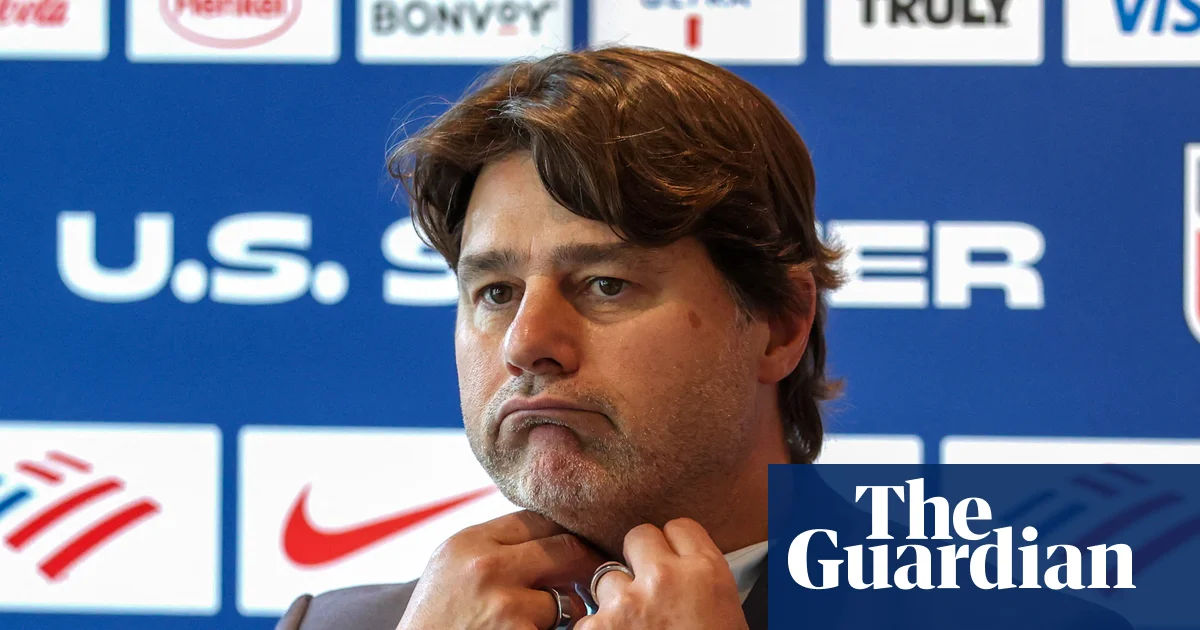
During a media interaction on Tuesday, Pochettino defended his communication style. He highlighted the importance of consistency in delivering messages to players, reiterating that he had no plans for personal calls when assuming his role. Despite his reasoning, the debate surrounding the issue has not subsided.
Mixed Reactions from Former Players
Landon Donovan, the USMNT’s all-time leading scorer and a veteran of three World Cups, is no stranger to being left off the roster—he famously missed out on the 2014 tournament. Reflecting on Pochettino’s approach, Donovan provided a nuanced perspective. He acknowledged that while he would have preferred a personal call if he had been a long-standing member of the team, he also understood that different players might view the situation differently.
Conversely, criticism from former USMNT players like Hercules Gomez was swift and strong. Gomez condemned Pochettino’s decision, labeling it “diabolical.” He recalled how past coaches like Bob Bradley and Jurgen Klinsmann took the time for individual conversations with players who were cut. Gomez specifically cited his own experience in 2014, when Klinsmann personally relayed the news of his exclusion, despite his limited recent play for the national team.
Concerns Over the Manager’s Approach
Some critics believe that Pochettino could have made an exception for certain players, such as Diego Luna and Tanner Tessman, who are on the brink of selection. Taking a personalized approach might have helped mitigate potential dissatisfaction within the squad. Pochettino, often perceived as a single-cycle manager, must also consider his long-term future with the team as he moves toward 2026.
Having faced similar challenges during his own career, Pochettino recounted how he reacted to being omitted from Argentina’s World Cup squads in the ‘90s. He underscored the importance of decisiveness in communication, sharing that he found prolonged discussions unnecessary once a decision is finalized.
Final Roster Submission Looms
With a deadline of June 1 to submit the final roster to FIFA, Pochettino retains the flexibility to make changes to his emergency squad until just before the U.S. opener against Paraguay on June 12. Players like Luna and Tessman have yet to voice their feelings publicly regarding their selections, indicating they may still have a chance to make an impression.
Donovan, however, suggested that coaches should recognize the dynamics of a team and the significance of maintaining morale among players. He asserted that it’s likely someone from the reserve list will eventually find their way into the final squad, as the emotional investment of players is crucial to keeping team spirit high.
Despite the continued scrutiny surrounding his decision-making process, Pochettino remained steadfast in his belief that players generally prefer not to be told they have been excluded. He conveyed a sense of empathy for those cut from the roster, stating that the emotional weight of the situation keeps him awake at night. Ultimately, he views the challenge of delivering bad news as complex, complicated by the realities of sports communication.
