


Ramaphosa Reaffirms Commitment to Regulating Immigration in South Africa
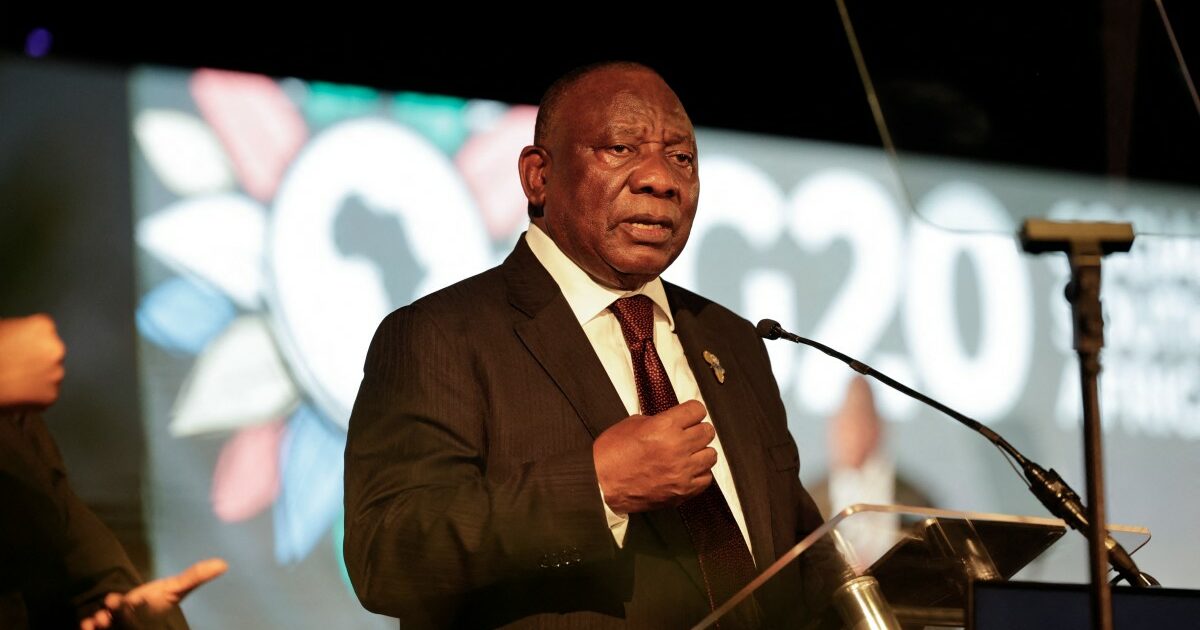
South African President Cyril Ramaphosa has underscored his administration’s dedication to managing legal immigration, emphasizing that violence, intimidation, xenophobia, and misinformation have no place in the country.
Addressing Unacceptable Behavior
During a national address on Sunday, President Ramaphosa outlined various unacceptable behaviors, such as unauthorized individuals demanding proof of citizenship, obstructing access to public services, and perpetrating violence against foreign nationals.
Condemnation of Intolerance and Misinformation
The President condemned various forms of discrimination, including racism, sexism, xenophobia, and Afrophobia, while also denouncing the spread of misinformation and incitement on social media.
Exploitation of Undocumented Workers
Furthermore, Ramaphosa criticized employers who take advantage of undocumented workers, describing such actions as unacceptable. He stated that only authorized law enforcement agencies have the authority to address legal violations and emphasized the need for all individuals to be treated with dignity, irrespective of their nationality or immigration status.
Comprehensive Migration Strategy Unveiled
President Ramaphosa revealed a comprehensive approach to migration management aimed at enhancing border security, enforcing immigration laws, combating corruption, and closing policy loopholes. This initiative, approved by the Cabinet and supported by the Presidential Coordination Council, seeks to address illegal migration effectively.
Five-Pillar Strategy Explained
The strategy comprises five main pillars: tightening enforcement of immigration and labor laws, preventing illegal immigration, tackling corruption within the immigration system, fortifying immigration laws and policies, and fostering regional cooperation to address migration issues across the continent.
Efforts to Identify and Deport Illegal Aliens
The President indicated that government agencies would enhance their efforts to identify and deport individuals unlawfully present in South Africa. He noted that the Department of Home Affairs, Border Control, and the South African Police Service have been strengthening these processes.
Progress and Plans for Future Implementation
Highlighting past successes, Ramaphosa pointed out that over 450,000 illegal entry attempts were deterred in the previous year. He announced plans to establish a dedicated immigration court to expedite deportation proceedings for undocumented immigrants.
Strengthening Border Security and Modernizing Infrastructure
One critical aspect of the new strategy is reinforcing border controls to ensure authorities are aware of who enters the country, their reasons for doing so, and the duration of their stay. Ramaphosa clarified that robust border security should not be perceived as hostility towards other nations, but rather as essential for a sovereign and well-governed state.
Combating Corruption in the Immigration System
The President emphasized that curbing corruption is vital for the efficiency of the immigration system and is often a crucial factor enabling illegal immigration. He vowed to take action against officials involved in corrupt practices, reiterating that disciplinary and criminal measures will be enforced against such individuals.
Enhancing the Immigration Framework
Addressing weaknesses in South Africa’s immigration laws, Ramaphosa acknowledged that the current framework is fragmented and offers loopholes for illegal immigrants. He stated that reforms would be made to close these gaps and highlighted the importance of regional cooperation to tackle the underlying causes of migration.
Building a Collaborative Approach Across Africa
Ramaphosa concluded by assuring the public that the Cabinet would continue to monitor the implementation of the Migration Strategy and will review the progress of the announced measures regularly. He emphasized the need for African nations to work collaboratively to create conditions where migration is driven by choice, not necessity.
