


Escalating Tensions: US Military Actions Against Iran Intensify
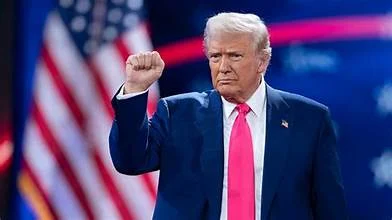
On Monday, US President Donald Trump announced a renewed military campaign against Iran, emphasizing a “violent” assault following a series of attacks that unfolded over three consecutive nights. The US military has reinstated a blockade on Iranian ports, signaling a significant escalation in hostilities.
During a press briefing at the White House, President Trump stated, “We’re going to hit them hard tonight and tomorrow.” Shortly thereafter, the U.S. Central Command (CENTCOM) confirmed that airstrikes had commenced at 20:45 Japan time, stating that these actions would aim to inflict considerable damage on Iranian military operations and curb their capabilities to target innocent civilians and commercial vessels in the critical waterway of the Strait of Hormuz.
CENTCOM announced that the blockade would be enforced, starting at 2000 GMT on Tuesday, which prompted a surge in oil prices, climbing over 9% amid escalating hostilities and concerns of a potential full-scale conflict between the two nations.
US Imposes Fees on Strait Cargo
In a post on Truth Social, Trump labeled the United States as the “Guardian of the Strait of Hormuz,” declaring a 20% fee on all cargo transiting the waterway. While the blockade will be reinstated for Iranian ports, Trump assured that “all other countries will have fair and open access to the strait.”
Iran’s Foreign Minister, Abbas Araghchi, responded swiftly, mocking the proposed tolls. He contended that those who ensure safe navigation should indeed be compensated but claimed that Iran would impose a lower fee than the one suggested by the US. Araghchi stressed the importance of the strait for global oil and gas trade, pointing out that the Iranian government would act fairly in managing tolls on this vital passage.
Escalating Attacks and International Responses
The US firmly opposes Iran’s attempts to levy fees in this region, arguing such actions contravene international maritime law. This exchange of threats coincides with an unprecedented cycle of attacks, following the ceasefire that had been in place since April. Reports indicate that the US military conducted strikes on various Iranian targets early on Monday, while Iran’s Revolutionary Guards announced retaliatory strikes targeting US military installations in Bahrain, Jordan, Kuwait, and Oman.
Further escalating tensions, Trump threatened to launch strikes against Pickel Mountain, a suspected nuclear facility, warning, “Tell the Iranians to be prepared… There’s absolutely nothing they can do about it.” His remarks during a recent radio interview add a layer of urgency to the ongoing conflict.
Diplomatic Efforts in Jeopardy
Despite the recent escalation, Trump indicated that negotiations for a long-term resolution would continue. He revealed that several hours of discussions took place over the weekend. However, the Iranian Foreign Ministry’s spokesperson, Esmail Bakaei, declared the viability of the June memorandum, which had previously facilitated negotiations and a temporary easing of the US blockade, was now in jeopardy. Bakaei warned that Iran would disregard its obligations under the agreement if the US enacted further aggressive measures.
Amidst these threats, Pakistan, acting as the primary mediator, expressed “deep concern” regarding the rising tensions in the region. Commenting on the situation, analyst Bader al-Saif suggested that the increasing frequency of attacks is likely to derail any hope for a stable resolution, as both parties appear entrenched in their positions.
Casualties Mount Amidst Conflict
Iranian state media has reported a rising death toll from the recent US airstrikes, indicating that large areas in southern and western Iran have been targeted. Reports have indicated at least four explosions in proximity to Bandar Abbas on Monday, with a tally suggesting that over 25 individuals have lost their lives since the escalation resumed.
International leaders, including UN Secretary-General António Guterres, have expressed profound concern regarding the heightened conflict, calling attention to the dangers posed by the aggressions from both sides. As air raid sirens sounded in Bahrain—where the military claimed to have intercepted numerous Iranian-made missiles—Kuwaiti forces reported engaging with what they described as “hostile air targets.” Meanwhile, Jordan confirmed its military had successfully intercepted four Iranian missiles aimed at its territory. Iran insists its attacks are directed exclusively at US interests in the Gulf, yet a military spokesperson cautioned that any collaboration between Gulf states and the US would be viewed as an “act of war.”
