


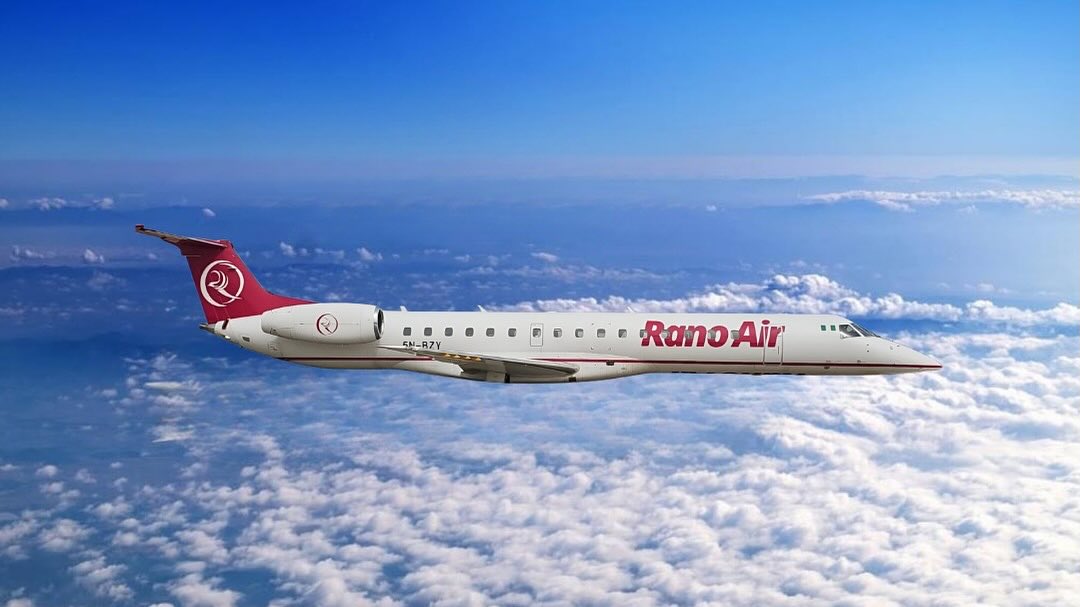
Rano Air Temporarily Suspends Routes Amid Rising Fuel Costs
Rano Air has announced a temporary suspension of certain routes due to escalating aviation fuel prices and worsening operating conditions within the Nigerian aviation sector.
In a statement issued on Friday, the airline revealed that the cost of Jet A1 fuel has surged by over 300%, making the operation of some routes “extremely difficult and commercially unsustainable.”
This situation has placed “tremendous pressure” on Rano Air’s flight operations, leading to a necessary reduction in services on the affected routes. The airline emphasized that it has made this challenging decision in light of current circumstances.
While details regarding the specific routes impacted by the suspension have not been disclosed, the airline is taking steps to address passenger concerns.
Passengers with existing reservations on the affected routes will be provided with options for refunds, rescheduling, and rerouting. The airline has assured its customers that services on these routes will resume once conditions improve and it is deemed “safe to operate.”
The rising aviation fuel prices, despite recent interventions by the federal government, have added financial strain to Nigerian airlines. As reported by PREMIUM TIMES, the Jet A1 fuel crisis has significantly disrupted airline operations across the country, leading to delays, cancellations, and schedule changes.
Several airlines—including Air Peace, United Nigeria Airlines, and Ibom Air—have voiced concerns about the severe impact of increasing fuel costs on their operations and the reliability of services provided to passengers. The Airlines of Nigeria (AON) has previously warned of a potential suspension of operations due to what they describe as an “astronomical and unsustainable” rise in fuel prices, which have climbed from approximately N900 per liter to over N3,300 in some regions.
Related article: Jet A1 crisis disrupts Air Peace flights, passengers blame delays, schedule changes
Fuel expenses remain the primary cost driver for airlines, accounting for up to 40% of operating costs in Nigeria—significantly higher than the global average, according to industry analysts. The persistent rise in fuel prices has led to increased inconveniences for travelers, resulting in extended delays, unexpected schedule shifts, and a reduction in domestic flight availability.
Despite these operational challenges, Rano Air remains dedicated to ensuring “safe, reliable, and sustainable operations” and is focused on supporting its passengers during this disruption.
