


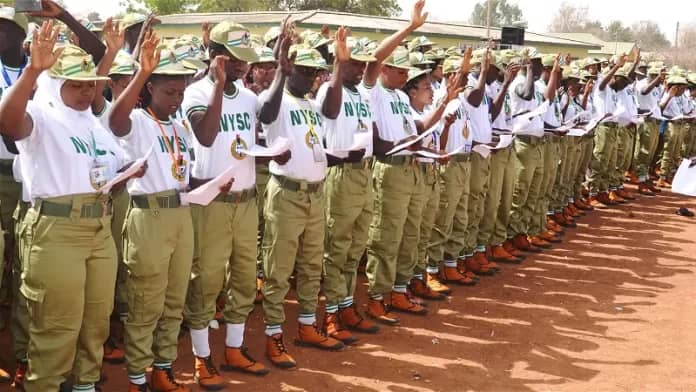
Government Agencies Directed to Accept National Youth Service Corps Members
The House of Representatives has issued a directive to various government departments to halt the increasing rejection of National Youth Service Corps (NYSC) members assigned for their year of mandatory national service. This growing trend is viewed as detrimental to the objectives of Nigeria’s long-standing nation-building initiative.
Legislative Motion Highlights Concerns Over Rejections
The resolution stemmed from a motion sponsored by Mr. Rodney Ambiowei, the Member of Parliament representing Bayelsa Southern Ijau Federal Constituency, during a plenary session on Thursday. The motion, entitled “We must stop the incessant rejection of National Youth Service Corps members by Nigerian government agencies,” emphasized a concerning pattern among government entities nationwide.
Historical Context of the NYSC Scheme
Mr. Ambiowei, who initiated the discussion, reminded attendees that the NYSC scheme was established in 1973 by General Yakubu Gowon’s administration. It aimed to facilitate national healing in the aftermath of the civil war by fostering integration among young Nigerians from various backgrounds.
Promoting National Unity Through Service
He noted that the scheme is designed to bolster national unity and reconciliation by deploying graduates to states different from their home regions, thereby encouraging interactions among individuals of diverse ethnic, religious, and cultural backgrounds. This initiative has proven essential for promoting community development and public service while exposing graduates to various parts of the country.
Economic Contributions and Challenges Faced
According to Ambiowei, the NYSC program has yielded significant benefits over the years, including improved service delivery, enhanced cross-cultural engagement, and increased business opportunities. He pointed out that many former service members establish careers in their host regions, aiding in local economic development and fostering national integration. However, he expressed alarm over government agencies increasingly refusing to accept these corps members, undermining the program’s objectives.
Impact of Rejections on Youth Development
The Bayelsa lawmaker stressed that this trend contradicts the NYSC’s goals and deprives young graduates of vital work experience essential for their post-service lives. He stated that the rejection of corps members by government agencies not only limits their opportunities but also leaves them vulnerable to exploitation in the private sector. Without proper engagement, many graduates are denied essential skills development.
Calls for Structured Engagement Plans
The House of Representatives articulated concerns regarding the waste of public resources, as the federal government continues disbursing monthly allowances to service members, regardless of their productive engagement. Ambiowei highlighted the need for a structured framework that effectively integrates corps members into government agencies, asserting that their skills and energy should contribute meaningfully to national productivity and economic growth.
Support for Legislative Motion and Future Steps
The motion garnered strong support from other legislators and was passed during a voice vote led by Speaker Tajudeen Abbas. In response, the House mandated all Ministries, Departments, and Agencies (MDAs) to cease the rejection of assigned service members and develop clear work plans to facilitate their effective engagement. Additionally, lawmakers instructed the House Committee on Youth Development to collaborate with the NYSC’s Executive Director to create a comprehensive framework for deploying and utilizing corps members efficiently.
Addressing Deployment Issues and Future Prospects
This resolution responds to escalating complaints from service members about improper deployment, underutilization, and outright denial by public authorities. Many corps members are turned away due to staffing shortages or a lack of structured programs. Some face the alternative of seeking other placements, while others remain underutilized throughout their service year. As discussions continue on reforming the NYSC system to address youth unemployment and skills development, the House’s intervention aims to realign the program with its initial objectives, thereby enhancing civic responsibility and workforce development among young Nigerians.
