


Rising Xenophobia Poses Threat to Immigrants in South Africa
Johannesburg, the economic heart of South Africa, has long been a melting pot of cultures, where Zimbabweans train as doctors, Ethiopians operate vibrant restaurants, and Congolese sell colorful textiles. Yet, this diversity is now threatened by a wave of rising xenophobia sweeping across the nation from Durban to Cape Town.
Many immigrants, some longstanding residents and others recent arrivals in search of better opportunities, now find themselves in peril. While some have legal status, others do not, and the fabric of coexistence is unraveling amidst this hostile climate.
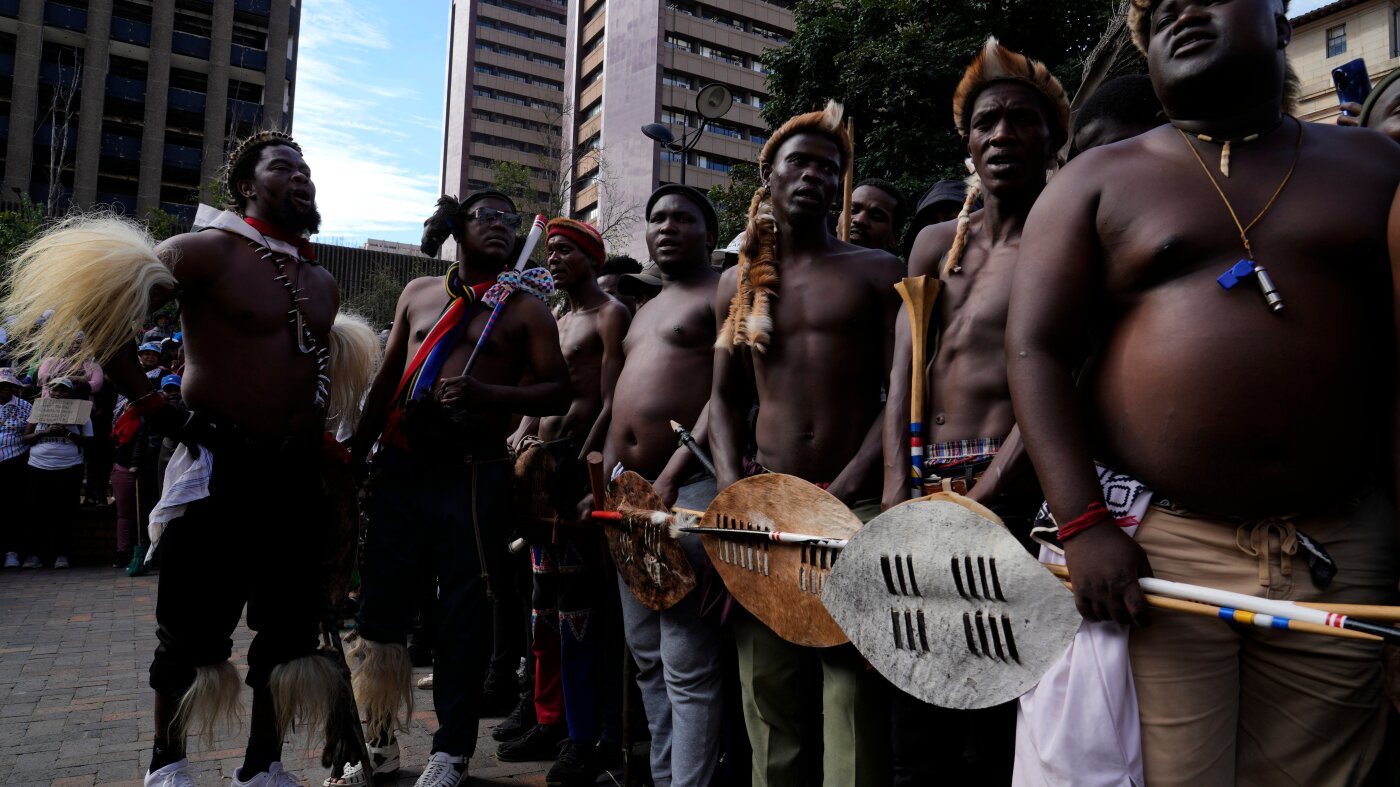
Anti-immigration protests have surged in recent months, with demonstrators wielding sticks and chanting slogans such as “mabahambe”—a Zulu term meaning “they must go.” Some claim to have apprehended individuals and assert an authority to check immigration documents, despite lacking any legal basis for such actions.
The wave of hostility has led to violent confrontations, attacks on foreign businesses, and the displacement of immigrants. In Durban, thousands of Malawians who fled violence are now homeless, forced to camp in public spaces while pleading for assistance. Meanwhile, hundreds of Zimbabweans have gathered outside their consulate in Cape Town, seeking to leave amid escalating fears. Countries like Nigeria, Ghana, and Mozambique have already begun repatriating their nationals.
Historical context exacerbates these tensions; xenophobic riots in 2008 resulted in over 60 fatalities, with some victims burned alive. The violent legacy has resurfaced, as violence against immigrants continues to escalate, underscoring a deeply rooted fear within affected communities.
Leadership’s Response to Growing Anti-Immigrant Sentiment
The current anti-immigrant movement, termed the “March/March,” is spearheaded by Jacinta Ngobese-Zuma, a former radio presenter known for her media presence in Durban. NPR reached out for her comments, but no response was received prior to publication.
Political parties are seizing the moment, leveraging xenophobia to bolster their platforms. Anti-immigrant sentiments are proliferating on social media, where misinformation fuels the fire. In March, authorities announced that illegal immigrants could leave the country until June 30 without clear guidance on their future.
Blame on Immigrants for Economic Struggles
Many South Africans are directing their frustrations toward immigrants, accusing them of “taking jobs.” Official unemployment hovers above 30%, with youth unemployment exceeding 60%. Yet evidence suggests that these economic problems stem more from prolonged stagnation and mismanagement than from immigration itself.
President Cyril Ramaphosa has attempted to ease tensions, balancing public condemnation of violence with the demands of frustrated citizens. He has pledged to enhance border security and address the deep-seated economic issues fueling public outrage, acknowledging that these challenges stem from inequality and sluggish growth.
Despite government efforts, many immigrants remain apprehensive about their future. As June 30 approaches, fears mount regarding what will transpire next.
Living in Constant Fear
In the troubled neighborhood of Jeppestown, where crime is rampant, immigrants feel particularly vulnerable. In a makeshift workshop, Malawian carpenter Guy, who has lived in South Africa for three years, recounts ongoing harassment from police demanding bribes for documents. The specter of violence from anti-immigrant groups only heightens his anxiety—he contemplates returning to Malawi despite a dismal economic outlook there.
Other immigrants share similar experiences. Sandile Mbuyazi, an 18-year-old Zimbabwean working alongside Guy, voices her fear of returning home to confront the dire economic and political landscape that awaits her. Victor Sithole, a 55-year-old interior decorator originally from Zimbabwe, fears for his life despite holding a residence permit, believing it offers little protection from xenophobic violence.
A City Under Siege
In her apartment, Bona Mapezi Bahati, a pregnant woman from the Democratic Republic of Congo, reflects on her harrowing past and her present fear as anti-immigrant sentiment rises. Having fled her home country after a traumatic experience, she now faces the grim reality of needing medical care while being turned away due to her immigration status. “It feels like a war zone,” she says, expressing her anxiety for her family’s safety amidst escalating tensions.
The unfolding events in Johannesburg and beyond reveal a complex interplay of fear, survival, and community resilience, as South Africa grapples with the intersection of economic hardship and xenophobic violence. The future remains uncertain for both South African citizens and the diverse immigrant populations striving to make a life in this vibrant yet increasingly perilous society.
