


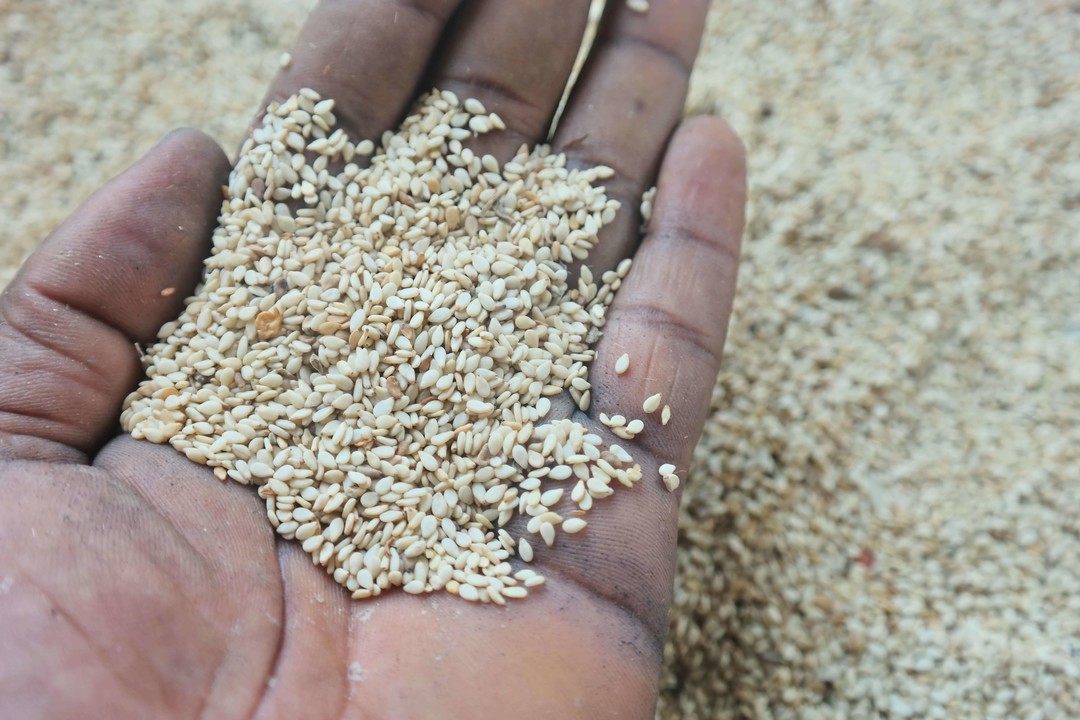
Production Pressures on Nigeria’s Sesame Industry Rise
Nigeria’s status as the world’s leading sesame exporter faces increasing pressure due to deteriorating security conditions in key production regions and heightened flooding risks this farming season. Experts express concerns that bandit attacks in rural areas and adverse weather could significantly impact cultivation and yields, threatening the revenue generated from Nigeria’s most lucrative non-oil export.
As Africa’s largest sesame producer, Nigeria plays a crucial role in the global market, supplying major buyers in China, Japan, and Türkiye. However, ongoing security challenges paired with the effects of climate change may result in reduced export volumes in the upcoming season.
Professor Ubale Sani from the Department of Agricultural Economics and Extension at Bayero University in Kano identifies persistent insecurity, low levels of mechanization, inadequate rural infrastructure, and climate uncertainty as significant hurdles that must be addressed to reverse the declining trends in sesame production.
Over the past two decades, sesame cultivation in Nigeria has shifted from a subsistence crop to a vital export commodity, driven by soaring demand and initiatives aimed at diversifying the economy away from oil dependency. The crop’s appeal lies in its drought tolerance, adaptability to semi-arid conditions, and diverse industrial applications, ranging from food production to oil extraction and cosmetic manufacturing.
According to data from the Food and Agriculture Organization (FAO), Nigeria is projected to produce 450,000 tonnes of sesame in 2024, which would account for 6.2% of global production, positioning the country among the top five producers worldwide. Despite recent production highs, there has been a concerning nearly 20% decline from the over 523,000 tonnes recorded in 2019.
Fagge highlights that the majority of sesame cultivation is conducted by smallholders, typically farming 1-3 hectares under rain-fed conditions with limited mechanization and low external inputs. With post-harvest tasks such as drying, cleaning, and packaging still performed manually, production costs are driven up which adversely affects efficiency. The supply chain for sesame involves multiple stakeholders, including farmers, aggregators, and exporters, who manage essential tasks such as cleaning and processing prior to shipping through Lagos port.
Economic Impact on Rural Livelihoods
The significance of sesame extends beyond export revenues; it serves as a vital source of livelihood for over 500,000 farmers across northern Nigeria and supports thousands of workers involved in aggregation, transportation, and processing. In rural areas, women play integral roles in harvesting and cleaning, making sesame value chains a key contributor to household income.
Hasan Tahir Yaro, Chairman of KASCOTE, emphasizes that any disruptions in sesame production could have far-reaching consequences for rural employment, foreign exchange earnings, and Nigeria’s agricultural export agenda. International buyers rely heavily on Nigerian sesame seeds for various uses, including confectionery products, baking, tahini production, and oil extraction. White sesame seeds remain the dominant export variety due to strong demand, while brown and mixed varieties are sought for industrial processing.
Additionally, the organic sesame sector is gradually expanding through certified cooperatives targeting premium international markets. Stakeholders advocate for improved rural security, better flood control measures, and increased investment in mechanization and agricultural extension services. Furthermore, there are calls to enhance access to improved seed varieties, upgrade rural infrastructure, and expand irrigation systems to reduce reliance on rainfall and bolster resilience against climate change.
With global demand for sesame seeds on the rise, stakeholders believe that Nigeria has substantial potential to cement its position in the international market. However, without urgent interventions to address insecurity and flooding, the country’s export capabilities could diminish significantly by 2026, adversely affecting sesame availability for foreign buyers and undermining rural livelihoods and foreign exchange earnings.
