


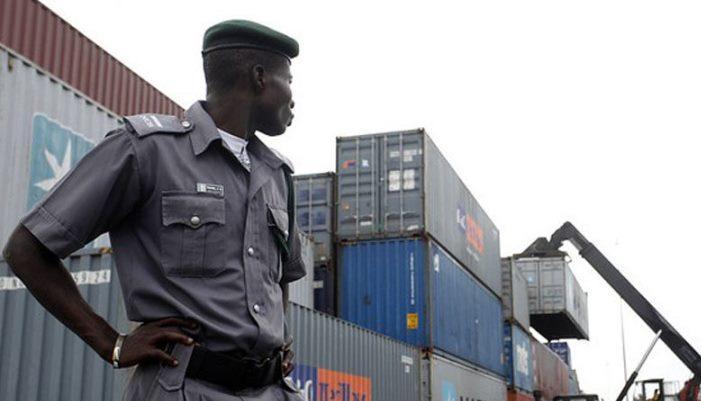
Nigeria Customs Service Budget Approved by Senate
The Nigerian Senate has approved the 2026 budget for the Nigeria Customs Service (NCS), with a revenue target set at N11.74 trillion and an expenditure proposal of N1.295 trillion for the upcoming fiscal year. This decision came after the Senate Committee on Tariffs, Excise, and Customs presented its report during a plenary session.
Committee Scrutiny Precedes Approval
Isa Giblin, Chair of the Customs, Excise and Tariffs Committee, explained that the committee carefully reviewed the NCS’s implementation of its 2025 budget before considering the estimates for 2026. He revealed that the NCS exceeded its 2025 revenue target of N6.5 trillion, bringing in approximately N7.2 trillion, which translates to a performance ratio of 110.53 percent.
Factors Influencing Revenue Performance
Despite this success, Giblin noted that revenue could have been even higher if not for various challenges. The suspension of excise taxes on telecommunications, government initiatives aimed at boosting local healthcare production, and disruptions in global trade stemming from the Russia-Ukraine conflict have all impacted the import of goods like wheat.
Capital Budget Utilization Concerns
Regarding the execution of the budget, the approved amount for 2025 stood at approximately N1.132 trillion, but actual spending only reached N591 billion. Giblin acknowledged that the low utilization of the capital budget was largely due to delays in obtaining approvals from the Bureau of Public Procurement (BPP) and the Federal Executive Council (FEC), resulting in the carryover of some projects into the 2026 fiscal year.
2026 Revenue Generation Strategy
To meet the ambitious revenue target for 2026, the NCS plans to leverage technology more effectively, strengthen revenue recovery efforts, implement real-time auditing systems, enhance trade facilitation, and intensify anti-smuggling operations.
Breakdown of Proposed Expenditures
The proposed budget allocation of N1.295 trillion includes N421 billion for personnel expenses, N307 billion for overheads, and N565 billion for capital projects. Financing for this budget is expected to primarily come from the statutory 4% Free On Board Duty (FOB) as mandated by the Nigeria Customs Act of 2023.
Support for Fiscal Responsibility
In the Senate discussion, Deputy Senate President Barau Jibrin praised the comprehensive nature of the committee’s report and commended the Inspector General of Customs and the entire NCS staff for their efforts. He remarked that the agency’s impressive revenue generation underscores President Bola Tinubu’s decision to extend the Auditor General’s term. Jibrin pointed out that a budget projection of generating N6.5 trillion resulted in over N7.2 trillion, showcasing exceptional performance.
Unanimous Approval and Future Outlook
Despite the increase in revenue, government agencies only spent N591 billion in 2025, with a significant focus on capital projects rather than recurrent expenses. Jibrin emphasized that the agency’s goal of surpassing N11 trillion in revenue for 2026 indicates trust in the reforms under the current leadership. After deliberating on the committee’s recommendations, Senate President Godswill Akpabio called for a vote, which resulted in a unanimous approval of both the revenue targets and expenditure estimates. He commended the Senate Committee on Customs for its thorough review and expressed optimism that the approved budget will bolster service operations and enhance federal revenue.
