


Mexico to Pursue Legal Action in U.S. Over Deaths of Nationals in ICE Custody
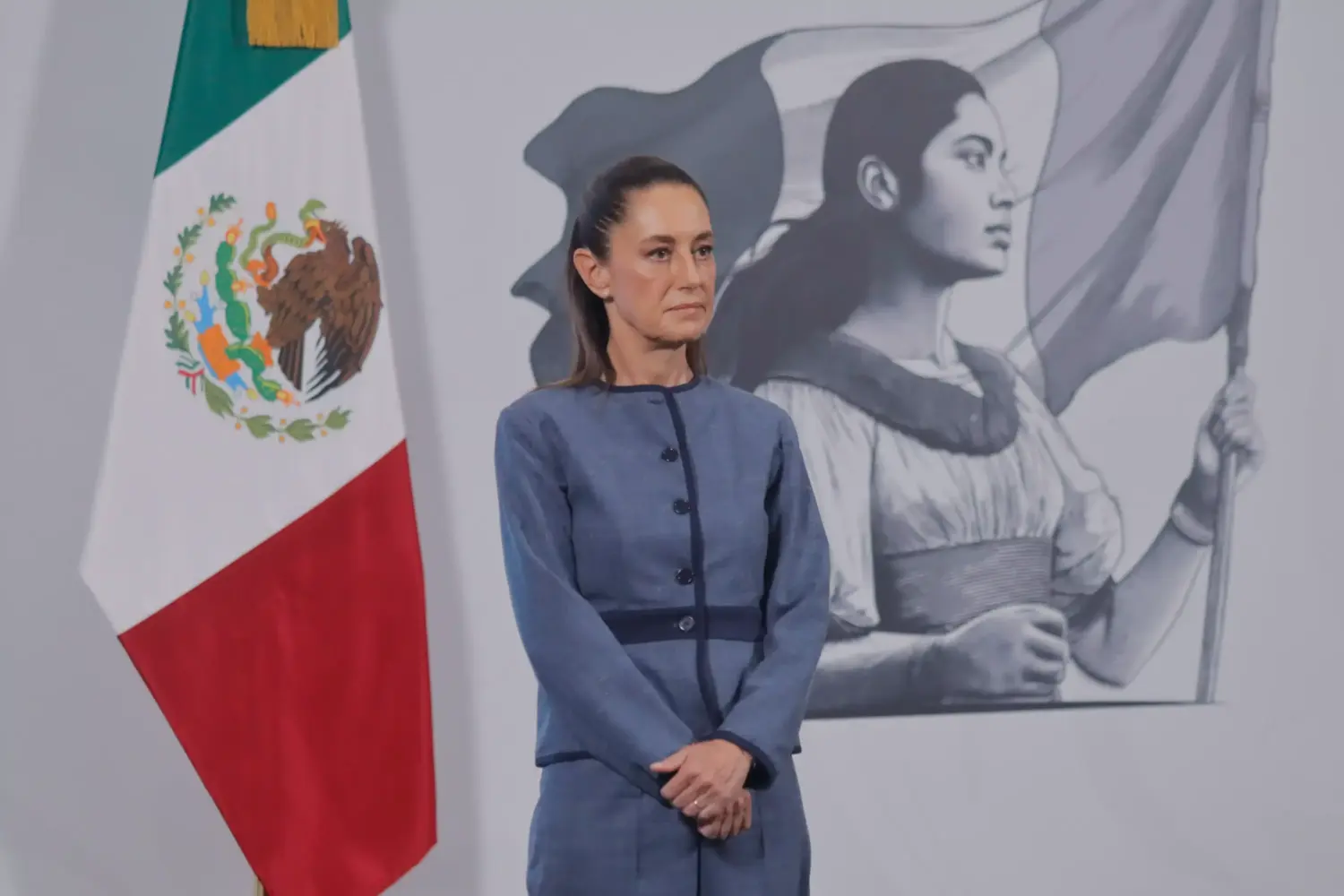
President Claudia Sheinbaum announced plans for Mexico to file both criminal and civil lawsuits in the United States concerning the deaths of Mexican nationals in the custody of Immigration and Customs Enforcement (ICE). This initiative follows the tragic incident involving Lorenzo Salgado Araujo, a 52-year-old Mexican immigrant who was fatally shot by ICE agents during a raid in Houston’s Magnolia Park neighborhood on July 7. Salgado Araujo had lived in the U.S. for decades but had temporarily paused his work permit application.
Foreign Secretary Roberto Velasco revealed that since the beginning of the current U.S. immigration crackdown, Mexico has documented 17 deaths of its citizens linked to ICE operations—14 occurring in detention centers and three during enforcement actions, including that of Salgado Araujo.
Sheinbaum stressed that the Mexican government would take a more assertive approach, moving beyond merely issuing diplomatic protest letters. “We are going to do everything in our power,” she asserted, emphasizing the moral imperative to act against the fatalities involving Mexican citizens during ICE operations or in facilities managed by private contractors.
Velasco indicated that Mexico’s Foreign Ministry would formally request the attorney general to refer the case to U.S. state prosecutors and the Department of Justice for criminal investigation, declaring that steps would be taken against those deemed responsible.
U.S. authorities maintain that Salgado Araujo attempted to evade arrest by using his vehicle as a weapon, prompting a police officer to respond in self-defense. This account, however, is contested by witnesses and family members, who reported hearing Salgado Araujo’s pleas during the altercation. His family learned of his death through social media rather than from official channels.
In addition to pursuing criminal charges, Mexico intends to file civil lawsuits against private companies operating ICE detention facilities. Velasco announced that cease-and-desist letters would be dispatched to these companies, demanding reforms in practices and conditions contributing to the reported human rights violations and deaths of Mexican detainees.
Seeking broader international advocacy, Velasco mentioned that the Mexican government, in collaboration with civil society organizations, has petitioned the Inter-American Commission on Human Rights for protective measures for Mexicans in U.S. detention. Mexico has also reached out to UN High Commissioner for Human Rights Volker Türk for support in safeguarding its nationals in ICE custody. Concurrently, officials in Washington have been instructed to seek urgent discussions with U.S. officials and Congressional members.
Despite sending 11 formal diplomatic letters to Washington requesting accountability for these deaths, Mexican officials expressed disappointment with the responses received, stating they lack sufficient measures of accountability. While Mexico aims to maintain cooperative relations with the United States, Sheinbaum emphasized that achieving justice for these tragic incidents is of paramount importance.
