


Addressing the Threat of Conflict-Related Sexual Violence in Nigeria
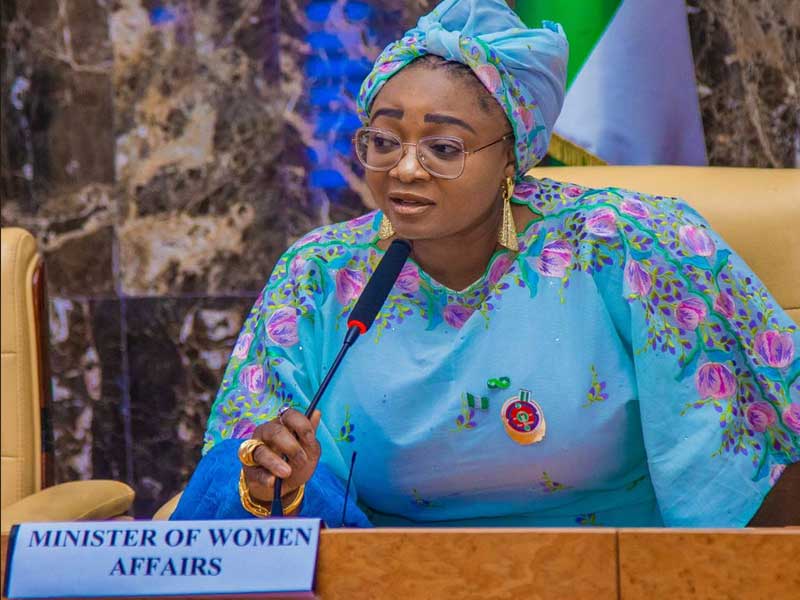
Hon’iman Sulaiman-Ibrahim, Minister of Women’s Affairs and Social Development, has emphasized that conflict-related sexual violence poses a significant threat to peace, security, and sustainable development in Nigeria. She highlighted that women and children have increasingly become targets amid rising insecurity throughout the nation.
During her remarks on Friday, in recognition of the 2026 International Day for the Elimination of Sexual Violence in Conflict, Sulaiman-Ibrahim described sexual violence as one of the most devastating outcomes of war, terrorism, violent extremism, and other security challenges. The minister asserted that the implications of such violence reach far beyond the immediate physical and psychological trauma inflicted on victims, as it can also devastate families, heighten poverty levels, displace communities, and undermine national stability.
“Conflict-related sexual violence is not only a grave violation of human rights and international humanitarian law,” she stated, “but also a direct assault on national security, social cohesion, and peace.” Sulaiman-Ibrahim reaffirmed the Federal Government’s commitment to safeguarding the rights of women, children, and vulnerable populations under President Bola Tinubu’s “New Hope” agenda, emphasizing that the administration prioritizes women’s welfare as a fundamental aspect of national development.
The Minister noted that the Federal Ministry of Women’s Affairs is actively implementing the Renewed Hope Social Impact Intervention (RHSII-774) project across Nigeria’s 774 local government areas. This initiative aims to fortify child protection systems, enhance women’s economic empowerment, expand social safety nets, and create resilient communities.
Expressing concern over the worsening security situation, Sulaiman-Ibrahim remarked that women and children are often targeted by criminal and terrorist activities. She pointed to alarming trends, including school kidnappings, human trafficking, forced marriages, sexual slavery, the recruitment of children by armed groups, and the exploitation of displaced women and girls that call for urgent intervention.
“The exploitation of children for criminal activities, as well as the trafficking and sexual slavery of women and girls, represents an unacceptable affront to our shared humanity,” she asserted. The Minister voiced her confidence in the military, intelligence agencies, and other security bodies to capture perpetrators and deliver justice to victims.
Sulaiman-Ibrahim highlighted ongoing government efforts to combat sexual and gender-based violence, revealing that the Child Rights Act is now enforced in all 36 states, while 35 states have adopted the Interpersonal Violence (Prohibition) Act. Both laws are currently under review to tackle new challenges like technology-facilitated violence and online exploitation.
She further elaborated on the Ministry’s initiatives to advocate against gender-based violence, expand survivor support mechanisms, and enhance collaboration within the Women, Peace and Security Agenda. Emphasizing the importance of prevention, she underscored that access to justice, medical care, psychosocial support, rehabilitation, and economic reintegration must remain central to Nigeria’s response.
The Minister called for stakeholders across various sectors to unite efforts against conflict-related sexual violence. She urged security agencies, the judiciary, healthcare providers, schools, humanitarian organizations, traditional leaders, and development partners to enhance cooperation in protecting vulnerable populations and ensuring the prosecution of offenders. Additionally, she encouraged creative minds in Nollywood, music, broadcasting, and social media to leverage their platforms to promote positive cultural values and messages of peace.
In her address, she also appealed to parents and community leaders to remain vigilant against abuse, human trafficking, and violent extremism threatening women and children. Sulaiman-Ibrahim called for greater investment in sexual assault referral centers, shelters, psychosocial support systems, legal aid, forensic capabilities, and data systems to improve Nigeria’s response to conflict-related sexual violence. “Addressing this issue is not merely a humanitarian commitment; it is a national security imperative and a moral duty,” she affirmed.
She urged Nigerians to reject violence in all forms, stand alongside survivors, challenge harmful societal norms, and collectively work towards a safer and more inclusive environment. “We must ensure that all survivors have the opportunity to heal, that all perpetrators face justice, and that women and children can live free from fear, violence, and exploitation,” concluded the minister.
