


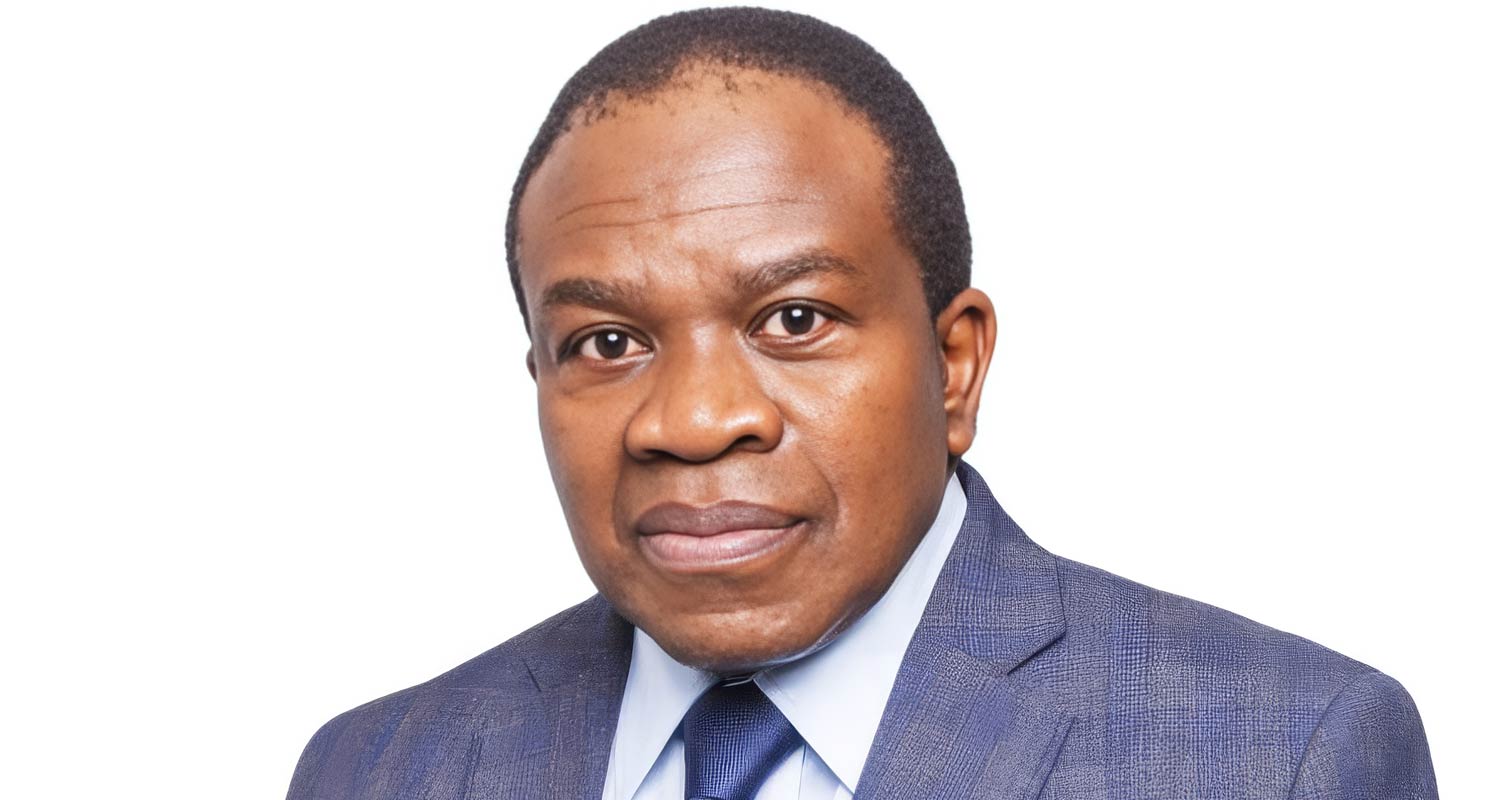
Months after securing a landmark settlement of $72.9 million (R1.2 billion) with shareholders of the former South African biotech company Kapa Biosystems, the Technology and Innovation Agency (TIA) has unveiled its plans to utilize these funds for fostering local innovation initiatives. The TIA’s CEO, Titus Mate, who took the helm in April, shared this development with journalists in Sandton last week, explaining that the settlement was finalized in February.
The settlement resulted from TIA’s 2015 sale of a 49% stake in Kapa to its shareholders for $4.9 million. Just eight months later, Kapa was acquired by Swiss pharmaceutical giant Roche for $445 million. This transaction marks one of the largest exits for a South African startup, closely following Mark Shuttleworth’s sale of Saute to Verisign for $575 million in 1999.
The saga began in March 2006 when the then Cape Biotech Trust, which would later merge with other local innovation centers to form TIA, invested R24 million in Cape Town-based Kapa Biosystems (Pty) Ltd. This investment was intended to fund the development of innovative protein-based products, leading to the creation of a novel DNA polymerase crucial for various biotechnological applications.
According to TIA, it became aware of Kapa’s sale to Roche through media reports on November 30, 2015. Upon this revelation, executives criticized TIA for potentially losing out on hundreds of millions of rands.
Significant Achievement
Following investigations initiated by former Science and Technology Minister Naledi Pandor, TIA filed a complaint against Kapa US shareholders and directors in August 2018. Notably, Paul McEwan, one of Kapa’s co-founders now residing in the U.S., did not respond to inquiries made via LinkedIn or email.
The $72.9 million settlement consists of $39.5 million awarded in arbitration on July 5, 2024, plus a 10.25% annual interest accrued since November 2017. Mate clarified that arbitration commenced in January 2023, and Kapa US’s appeal was dismissed by a panel of three arbitrators, affirming TIA’s rightful claims and awarding additional legal costs.
Engaging with media representatives, Mate emphasized that the settlement stands as a “great success for the country” and serves as a potential model for future TIA investments. He elaborated on ongoing evaluations of existing contracts and future agreements, emphasizing the importance of safeguarding public funds and investments.
Mate detailed that TIA’s agreement with Kapa allowed for a 10% beneficial interest in Kapa Group, which also extended to the value received from the sale of the business. The settlement covered both claims and interest and concluded after extensive arbitration, with payments finalized in December 2025 following the dismissal of Kapa shareholders’ appeal.
Read: Venture capital technology investments grow significantly in South Africa
The announcement elicited positive reactions from the local innovation ecosystem, with stakeholders hailing the settlement as a victory for South African innovators. However, concerns emerged regarding TIA’s intentions to leverage this incident as a guiding principle for future operations. An unnamed director from an accelerator expressed apprehension about the potential consequences for innovators seeking funding, fearing the threat of legal repercussions could deter them from approaching authorities.
Veteran innovation consultants working on several TIA projects also voiced worries about how the settlement might influence TIA’s operations, citing its historical reputation as a challenging shareholder. The ongoing narrative indicates that Kapa shareholders had engaged with TIA regarding share acquisitions as early as 2013, which some sources claim led to tensions prior to the Roche deal.
Former Cape Biotech Trust CEO Mark Fibee, who played a role in negotiating the initial investment, noted that during the stake sale, McEwan had insisted that there were no deals on the table with Roche.
Concerns About Governance
Accusations have also surfaced that Roche was in a bidding contest with competitors for next-generation sequencing technology, which allegedly allowed Kapa’s shareholders to sell at a premium shortly after TIA’s investment. While this remains unverified, McEwan did not respond to requests for comment regarding these allegations.
Nonetheless, Mate assured stakeholders that the settlement aims to bolster governance, accountability, and clarity in TIA’s funding relationships, rather than impede innovation or private sector engagement. He expressed that the intent behind using this case as a model is to improve commercial discipline within TIA, establish standardized contract frameworks, and ensure certainty for both the agency and its partners.
Read: South African VC funding bucks international trends
According to Mate, TIA is emphasizing greater reliance on independent, multi-source valuations, enhanced validation of underlying assumptions, and comprehensive commercial and financial due diligence in its transactions.
He highlighted that a thorough investigation during the arbitration process found no evidence of illegal activity by TIA employees influencing share valuations or sales.
Interestingly, the settlement has resulted in TIA’s budget significantly increasing, more than tripling its initial allocation of R458.8 million, despite the government cutting funding to several departments.
Read: R300-million seed fund launched for South African tech start-ups
Mate revealed that TIA intends to allocate R1.2 billion to implement a new strategy focused on blended finance and closer collaboration with local players, including universities, accelerators, and technical support centers. He noted that while the settlement funds are earmarked for various interventions, disbursement has not yet commenced.
Strategic Fund Deployment
Plan for fund allocation includes:
– R300 million to establish a fund-of-funds model aimed at attracting private investment to enhance the local venture capital ecosystem.
– R277.4 million is designated for strengthening the technology station and innovation platform network.
– R233.1 million will foster inclusive grassroots innovation at the community level.
– R220 million is set aside to expand priority innovation platforms, including the uYilo e-mobility program, climate change initiatives, and critical minerals innovation.
– R137.3 million will bolster TIA’s seed funding and commercialization hub to ensure a robust pipeline of viable innovations.
– R61.8 million is allocated to develop regional AI infrastructure and capabilities, supporting national technological sovereignty and the public interest application of AI across various sectors.
