


South Africa Faces Increasing Immigration Tensions
The South African government has not disclosed the exact number of foreign nationals deported since the onset of anti-immigration protests. Recent statements highlight that approximately 53,000 individuals have been deported or repatriated since these campaigns began five weeks ago.
Officials report that the majority of those affected are from Malawi, Zimbabwe, and Mozambique. As the situation evolves, some Democratic leaders suggest that the figures could rise as deportations and repatriations continue. This comes amidst escalating public sentiment against illegal immigration in the country.
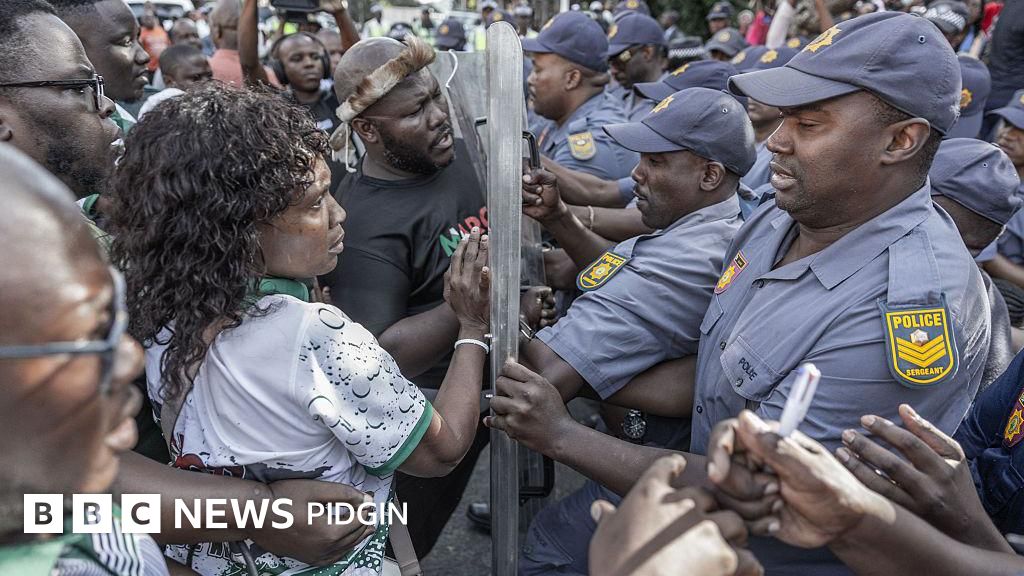
On June 30, large crowds took to the streets of South Africa to voice their opposition to illegal immigration. Although the street protests have ceased for now, organizers have vowed to keep the movement alive. March leader Jacinta Ngobese-Zuma stated that demonstrations would continue until the government takes significant action to reinforce immigration laws.
Ngobese-Zuma plans to hold protests over the next six months, emphasizing the need for stringent measures to “eliminate” illegal immigrants whom she perceives as a threat to national security. Protesters argue that migrants are contributing to rising unemployment rates, increased crime, and the deterioration of public services, prompting calls for stricter border controls and mass deportations.
Recent Developments in Immigration Enforcement
South Africa’s Minister of Justice and Constitutional Development, Mamoloko Kubai, announced on Sunday that the government is actively removing or repatriating 53,499 foreign nationals. The minister confirmed that most of these individuals are from Malawi, with Zimbabwean and Mozambican nationals also significantly represented.
Kubai expressed the government’s commitment to addressing the concerns raised by citizens while striving for orderly and regular migration practices that uphold human rights and dignity for everyone, regardless of immigration status. However, the justice minister also noted that ongoing deportation procedures may not effectively address criminal elements, specifically mentioning a wanted fugitive by the alias “Pipo.”
Immigration officials have reiterated their commitment to enforcing existing laws but cautioned that unauthorized protests leading to home invasions and business searches targeting suspected illegal immigrants could compromise public safety. This stance reflects a delicate balance between addressing public concerns and upholding legal processes.
Reports indicate that official statistics record over three million foreign visitors in South Africa. Yet, the absence of comprehensive data on undocumented immigrants remains a contentious issue among protesters and citizens alike. Since January, police have detained approximately 50,000 individuals for unlawful presence, further inflaming public sentiment against illegal immigration.
International organizations, including the United Nations, have cautioned against the trend of blaming migrants for South Africa’s socio-economic difficulties. The government’s ongoing investigations into the authenticity of identity documents aim to ensure that only legitimate citizens are granted legal residency.
As the South African government moves forward with enforcement measures, the impact on diplomatic relations and public perception remains uncertain. Officials have stated that if significant issues persist regarding identity document verification, the possibility of full cancellation looms, highlighting the complexities surrounding immigration law enforcement in the country.
