


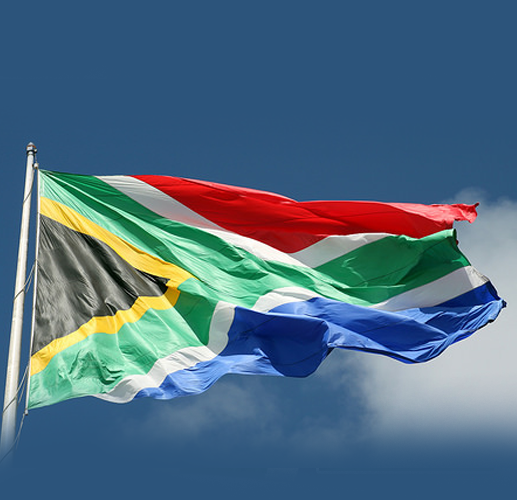
South Africa Sees Fuel Price Increase Amid Global Oil Market Turmoil
South Africa has announced a rise in fuel prices effective May 6, 2026, attributing the increase to escalating global oil prices, surging international oil product costs, and supply disruptions linked to geopolitical tensions in the Middle East. This decision underscores the mounting pressure on significant fuel-importing nations, where fluctuating international prices and transportation expenses persistently affect domestic gasoline pricing, even following the elimination of fuel subsidies in 2023.
In a recent statement, South Africa’s Minister of Minerals and Petroleum Resources clarified that the country’s monthly fuel price adjustments are influenced by both international and domestic market conditions. As a key importer of crude oil and refined petroleum products, South Africa is particularly vulnerable to global price fluctuations and related transportation costs, which directly impact local fuel prices.
Nigeria’s Fuel Crisis Intensifies Following Geopolitical Conflicts
In Nigeria, the onset of the US-Israel-Iran conflict on February 28 led to a significant spike in petrol prices, paralleling a global surge in oil costs. This rise has deepened an existing cost-of-living crisis intensified by the recent removal of fuel subsidies. Fuel prices, which averaged approximately 870 Naira per liter prior to the conflict, have now surpassed 1,370 Naira per liter in various regions, reflecting an increase of over 25% in major urban centers.
The Dangote Oil Refinery, now a primary supplier of refined products in Nigeria and its neighboring countries, has made multiple adjustments to its gasoline prices, raising them by more than 30% overall amid the volatility of Brent crude oil. This escalation has further pushed pump prices higher across the nation, contributing to escalating inflation and transportation costs. Many Nigerians, facing stagnant incomes and rising living expenses, have renewed calls for a reintroduction of fuel subsidies.
Meanwhile, the Nigerian government has committed to expedite the deployment of compressed natural gas (CNG) vehicle conversion kits as an alternative to gasoline, among other interventions, although the impact is yet to be broadly recognized. Analysts note that as a major oil producer, Nigeria stands to gain significantly from rising oil prices, potentially boosting revenue and enhancing foreign exchange reserves, especially with Brent crude prices trading above $100 per barrel—well above Nigeria’s budget benchmark of $64.85 for 2026. Some experts suggest that profits from the crisis in the Middle East should be redirected to stabilize domestic fuel prices and alleviate the burden on consumers.
South African Fuel Prices Driven Higher by Global Factors
The South African minister reported that Brent crude’s average price climbed from $93.67 to $101 per barrel during the current review period. The escalation in prices is linked to ongoing disputes between the United States and Iran, the closure of the Strait of Hormuz, and damage to crucial infrastructure affecting global oil supplies. This increase has particularly impacted international petroleum product prices, including diesel and paraffin, which have risen faster than gasoline due to sustained high demand and limited supply from the Persian Gulf.
The situation has led to a notable increase in base fuel costs, with petrol rising by R2.04 per liter, diesel by R4.96 per liter, and lighting paraffin by R4.21 per liter. Moreover, global supply constraints following disruptions in the Strait of Hormuz have contributed to rising prices of propane and butane.
Temporary Relief Amidst Taxation Changes
In response to the anticipated impact of these fuel price adjustments, the South African government has unveiled a slate tax of 122.70 cents per liter on petrol and diesel, effective May 6. However, it also announced temporary relief measures aimed at mitigating the burden on consumers. The government indicated that the cumulative slate balance had reached a negative R14.173 million by the end of March 2026, necessitating an adjustment to the levy under the automatic pricing mechanism.
Despite the ongoing repercussions of the US-Iran conflict on global fuel prices, the finance minister has approved a temporary reduction in general fuel taxes to 300 cents per liter for gasoline and 393 cents per liter for diesel. This relief is set to be operational from May 6 to June 2, 2026. Additionally, the government has set maximum refinery gate prices for imported LPG via Saldanha Bay port at R18,375.72 per tonne, with a retail price limit of R40.85 per kilogram starting May 6.
Details on Fuel Price Adjustments
The South African government has announced specific price increases for various fuel types, with petrol 93 and 95 (ULP and LRP) rising by 3.27 rand per liter based on prevailing national and international factors. Diesel (0.05 percent sulfur) will experience an increase of R6.19 per liter, while wholesale lighting paraffin will see a rise of R4.22 per liter. The national highest retail price for paraffin will increase by R5.63 per liter, alongside an upward adjustment of R5.07 per kilogram for LPG in Gauteng and R5.78 per kilogram in the Western Cape.
The government plans to publish the fuel price schedules for various provinces on Tuesday, May 5, 2026. These adjustments underscore the ongoing challenges faced by African governments as they strive to reconcile market-driven fuel prices with the need for consumer protection amidst continued global energy volatility.
