


South Africa Faces Surge in Deportations Amid Rising Anti-Immigrant Sentiment
Johannesburg — South Africa has recently repatriated or expelled over 53,000 African immigrants within a month, following a wave of protests and increased government scrutiny surrounding illegal immigration.
Justice Minister Mmamoloko Kubai announced that more than 80% of those deported originated from Malawi. However, authorities have not clarified the proportion of individuals who were forcibly returned versus those who opted for voluntary deportation.
In response to escalating anti-immigrant sentiment, several African nations have offered transport options like planes and buses to retrieve their citizens. This situation reflects escalating tensions and violent incidents targeting foreigners across various South African locales.
Law enforcement reports indicate that approximately 350 arrests have been made for public violence, intimidation, and unauthorized immigration checks. These actions often involve private groups compelling immigrants to present legal documentation for their stay in the country.
The deaths of at least three migrants, including two from Mozambique and one from Malawi, are currently under investigation by South African police. Additionally, Nigeria has confirmed the deaths of two of its nationals during the anti-immigration demonstrations, although South African authorities have disputed any links between these fatalities and the protests.
Officials have noted that a significant portion of the deported individuals hails from Malawi, Zimbabwe, and Mozambique, alongside nationals from countries like Nigeria, Uganda, and Kenya. President Cyril Ramaphosa addressed the mounting concerns last month, announcing plans to bolster border security and enforce stricter immigration laws in light of increasing protests from anti-immigration factions.
These groups assert, without substantiation, that immigrants contribute to high unemployment and crime rates in South Africa. President Ramaphosa has urged citizens not to take vigilante actions against migrants amid reports of such incidents.
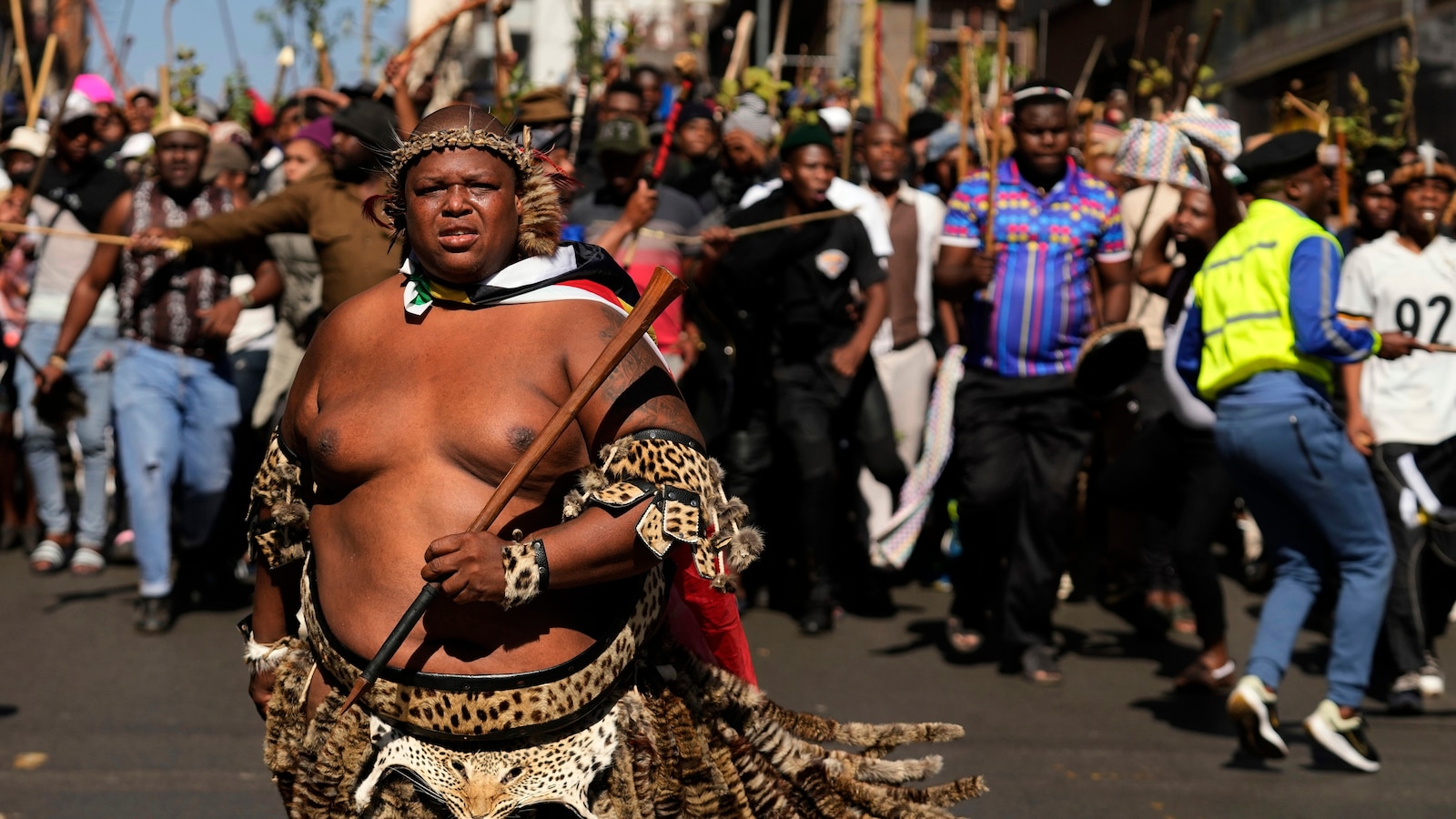
On June 30, anti-immigrant groups organized a large protest coinciding with a purported deadline for illegal immigrants to leave the country, a deadline the government did not endorse. Nonetheless, many Malawians made their way to a temporary settlement in Durban seeking repatriation. While some were deported voluntarily, a significant number faced formal deportation for lacking proper documentation.
Reports suggest that over 20,000 migrants were also deported from a temporary migration center in the northern border town of Musina. South Africa has historically been a magnet for immigrants due to its relative economic advantages, which have periodically sparked conflict. In 2008, violent outbreaks resulted in the deaths of over 60 individuals following attacks on foreign nationals.
Sabina Tadera from the Southern African Migrant and Refugee Network, which advocates for migrant rights, noted that some Malawians seeking refuge in temporary camps may possess legal residency but are fleeing from potential violence.
Tadera emphasized the pervasive misconception that all migrants are undocumented. The crackdown has also strained diplomatic relationships with some countries whose citizens have been affected, as South Africa confronts the xenophobic climate that has permeated recent events.
Independent human rights consultant Laura Freeman highlighted that for many migrants, South Africa symbolizes opportunities unavailable in their home countries. However, repetitive incidents of xenophobic violence have altered perceptions, leading to the view of South Africa as an increasingly inhospitable destination for immigrants.
