


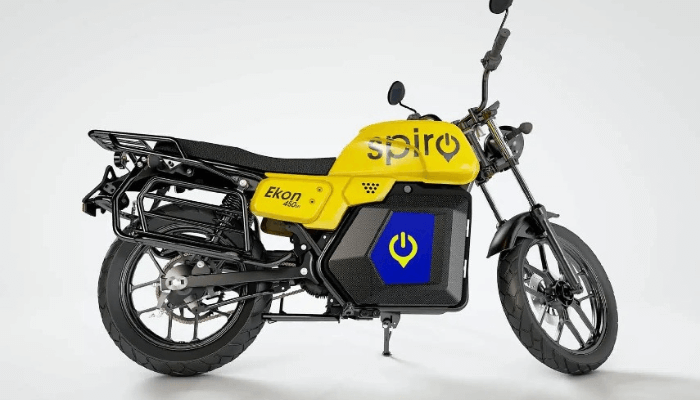
Spiro Secures $215 Million Investment to Enhance Electric Mobility Across Africa
Spiro, Africa’s largest electric mobility company, has successfully raised $215 million in equity funding, aimed at expanding electric vehicle (EV) infrastructure, developing battery swapping networks, and promoting clean energy solutions across Nigeria and six additional African countries. This significant investment marks a pivotal moment in the region’s push towards sustainable transportation.
Support from Leading Investors Highlights Growing Confidence in EV Sector
Key institutional investors, including Impact Fund Denmark and Equitan, participated in the funding round, signaling a burgeoning international interest in Africa’s electric mobility landscape. This investment comes at a time when African nations are increasingly exploring alternatives to costly imported fuels while striving for cleaner transportation systems and enhanced industrial development.
Expansion Plans for Battery Swapping and Production Facilities
Spiro currently operates in Nigeria, Kenya, Rwanda, Uganda, Togo, Benin, and Cameroon. The new capital will facilitate the growth of battery swapping stations and the establishment of manufacturing and assembly operations. Additionally, the company plans to enter new markets, including the Democratic Republic of Congo and Ethiopia.
Revolutionizing Transportation with Cost Savings and Environmental Benefits
After years of product refinement and technological advancement, Spiro believes it has moved past the proof-of-concept stage and is ready for a phase of accelerated growth across the continent. The firm claims that users of its electric bikes can cut their daily transportation costs by up to 40% compared to traditional fuel-powered bikes, equating to savings of around $2 each day.
Independent Study Reveals Significant Environmental Impact
The company recently conducted an independent lifecycle assessment in Kenya, which found that Spiro electric bikes reduce climate impact by an impressive 72% compared to fossil fuel-powered bikes. Each vehicle is estimated to prevent nearly 19 tons of carbon dioxide emissions over its lifespan. Additional findings indicated an 80% decrease in ozone depletion potential and a 20% reduction in particulate matter emissions, suggesting notable improvements for air quality and public health in African urban centers.
Operational Metrics and Job Creation Initiatives
Spiro boasts a fleet of over 100,000 electric bikes and more than 2,500 battery swap stations throughout Africa. Since its establishment, the company has accomplished over 30 million battery replacements. Moreover, Spiro’s industrial presence includes manufacturing plants in Kenya, Rwanda, and Uganda, alongside a battery recycling facility in Nigeria. The company has contributed to the creation of approximately 6,000 direct and indirect jobs across the region.
Future Expansion into Renewable Energy Solutions
The company has plans to broaden its scope beyond transportation by venturing into distributed clean energy services. This includes solar-powered battery swapping stations, smart Internet of Things-enabled infrastructure, and battery storage solutions that complement the deployment of renewable energy. Spiro asserts that its technology ecosystem is empowered by a team of over 150 engineers and backed by more than 30 proprietary patents, establishing it as a leader in Africa’s clean mobility sector.
Investors Acknowledge Potential and Climate Impact
Lars Bo Bertram, CEO of Impact Fund Denmark, emphasized the fund’s decision to invest in Spiro stems from its robust commercial prospects and measurable environmental benefits. He stated that Danish pension capital is being directed towards one of Africa’s most promising growth sectors, driven by significant opportunities in electric mobility and a potential positive climate impact. Analysts believe this funding represents one of the largest investments in Africa’s electric mobility sector, reinforcing global investor commitment to infrastructure-focused clean energy projects that support the continent’s expanding urban transportation needs.
