


Community Concerns Over Immigration Enforcement in South Carolina
Phil Ford, May 6, 2026 – As I engage with residents throughout South Carolina, including my hometown of Orangeburg, an unsettling sentiment emerges: anxiety. This unease isn’t rooted in a lack of faith in law and order, but rather stems from a growing discomfort with how immigration enforcement is being executed in our neighborhoods.
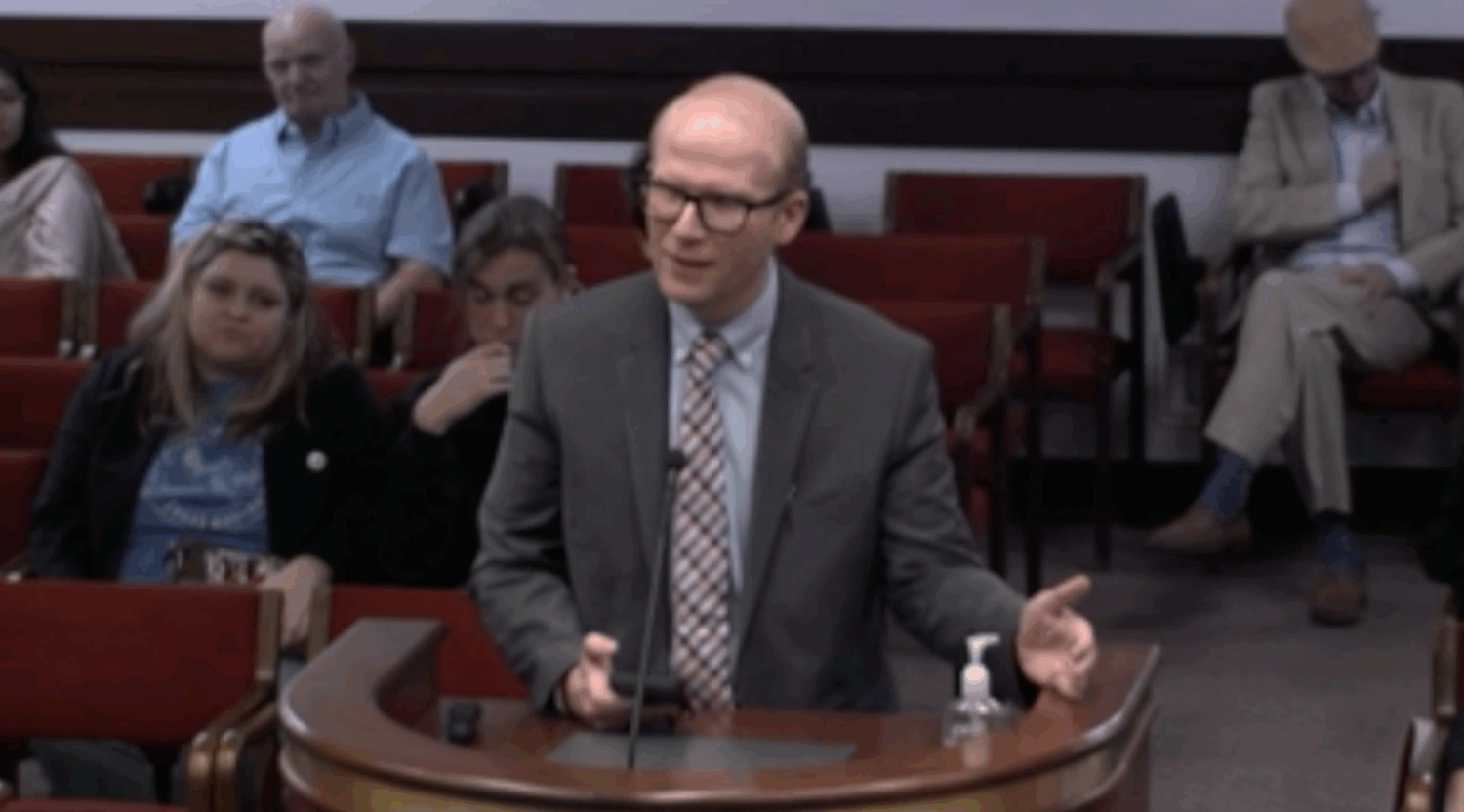
Recently, I conveyed these concerns during a visit to the state capitol, expressing a viewpoint I remain steadfast in holding.
Having lived in Orangeburg for many years, I take pride in my community’s collaborative spirit. We prioritize looking out for one another, placing trust in those we elect, and expecting local leaders to focus on initiatives that genuinely enhance our safety.
In Orangeburg, we chose Sheriff Leroy Ravenel, whose primary responsibility is safeguarding our communities, fostering trust with residents, and addressing the crimes that significantly affect our daily lives, including violent crime, drug-related activities, and theft—issues that keep families awake at night.
I have confidence in Sheriff Ravenel’s capacity to fulfill these duties because I have witnessed his commitment to our community firsthand. This sentiment resonates across South Carolina: we rely on trusted individuals to ensure our safety.
However, I harbor serious concerns about the increasingly blurred lines between local law enforcement and federal immigration enforcement. It’s crucial to recognize that these roles serve distinct purposes. While enforcing immigration laws is the federal government’s responsibility, our locally elected officials are here to protect and serve the residents of our counties.
When these responsibilities intertwine, the outcome is confusion, fear, and a deterioration of trust—elements that are integral to community safety. The implications of this shift extend beyond mere policy; they affect the lives of residents. When interactions with law enforcement are tinged with the fear of immigration repercussions, individuals become hesitant to engage. Victims of domestic violence are often reluctant to seek necessary assistance, while witnesses may reconsider speaking out, leading families to disengage from the very systems meant to protect them.
These conversations are not hypothetical; they reflect the realities faced by my neighbors in Orangeburg. The apprehension felt by the community is palpable. Concern does not enhance safety; instead, it complicates the efforts of law enforcement to do their vital work.
From a practical perspective, our local police departments are already stretched thin. Time spent coordinating with federal immigration enforcement detracts from addressing pressing issues in our communities. When resources are spread too thin, crucial problems that require immediate attention are left unaddressed.
Furthermore, we cannot overlook the historical context. South Carolina has a legacy of systemic power dynamics that continue to affect community experiences with law enforcement today. Citizens keenly observe when policies disproportionately impact certain groups, and these memories linger.
This moment calls for thoughtful reflection. Supporting the law does not equate to endorsing fear-based policies. I advocate for accountability while simultaneously promoting fairness, proportionality, and basic human dignity. These principles are not obstacles to public safety; in fact, they serve as its foundation.
Ultimately, trust is what binds us. I trust our elected sheriff and believe in our community’s ability to hold local leaders accountable. South Carolinians possess a deep understanding of their communities’ needs, and it is vital that we center our focus on fostering a just environment.
A reliance on fear as a guiding strategy is counterproductive. History has shown us that fear-driven policies lead us astray. If we aspire to cultivate safer, more resilient communities, it must be through the lenses of trust and collaboration, rather than suspicion and division.
Many residents in South Carolina share the same aspirations: safe neighborhoods, strong families, and opportunities for a better future. This should be our collective goal. Failing to prioritize these aspirations means not only letting down specific communities but undermining the integrity of the regions we are committed to safeguarding.
Phil Ford is the founder and CEO of Ford & Ford Group, a nonprofit political consulting firm based in Orangeburg. He advocates for equitable policies benefiting all South Carolinians, with initiatives at the state Capitol focusing on health care access and improved student well-being. Ford is actively involved in various community organizations, including the Orangeburg Calhoun Free Medical Clinic.
Clinton Police Department signs training agreement here.
