


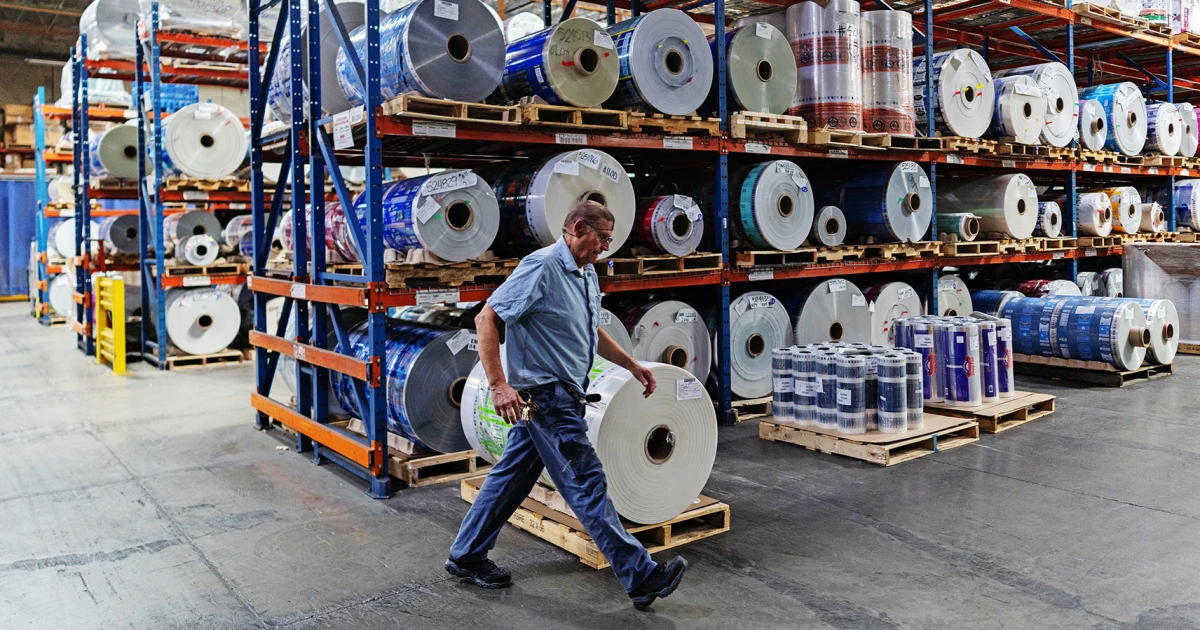
Rising Costs of Plastic Packaging Due to Geopolitical Tensions
In the realm of American consumer goods, lightweight flexible plastic bags, often referred to as polybags, are omnipresent. From fresh produce and baked goods to household items and medical supplies, nearly every staple has been packaged in these materials. However, the ongoing conflict between the U.S. and Israel against Iran is beginning to impact the plastic packaging sector, affecting the wallets of consumers nationwide.
As gasoline prices soar, Americans face the immediate consequences of geopolitical strife on their finances. Yet, the downstream effects on the supply chain are just beginning to unfold. The price of polyethylene, a key synthetic resin derived from oil and natural gas and widely used in plastic packaging, is rising alongside oil prices.
Last year, the Middle East accounted for approximately 42% of global polyethylene exports, according to ITP, a polymer and chemical analysis organization. The escalating costs have been exacerbated by restrictions on oil tankers navigating through the Strait of Hormuz, a critical shipping route, leading to supply chain disruptions worldwide.
The price of polyethylene pellets, commonly referred to as resin, has surged nearly 100% since the onset of hostilities, increasing by 30 cents a pound in early April. Two major U.S. plastics manufacturers indicated that the temporary ceasefire agreement between the U.S. and Iran isn’t sufficient to prevent further price hikes. Kevin Kelly, CEO of Emerald Packaging, remarked that significant relief might not materialize until late summer.
Historically, Kelly has priced products several months ahead, but the recent volatility in resin prices has made it impossible to guarantee long-term pricing to buyers. He explained that previous months’ costs are now locked in, making it likely that consumers won’t see any relief until July or August at the earliest.
Emerald Packaging has already passed on an 8% price increase to clients, including major companies like Taylor Farms and Dole. Kelly stated this spike represents the most significant escalation in operational costs within his three-decade tenure. The cost of a pound of polyethylene has jumped from 45 cents in February to 95 cents in April, with projections suggesting it could rise to $1.10 by May.
Market Dynamics and Supply Chain Challenges
American plastics producers report troubling signs of raw material shortages as oil tankers remain stranded in the Strait of Hormuz, causing prices for resin to inflate. The recent attack on Saudi Arabia’s Jubail petrochemical complex—responsible for an estimated 6-8% of global petrochemical output—further destabilizes an already fragile plastic market.
Petrochemical plants that convert ethylene gas into resin are crucial, and extensive damage to these facilities could take years to rectify. Sandra Myers, COO of Rutan, a New Jersey-based manufacturer of plastic bags, warned that the consequences extend beyond the Strait of Hormuz’s closure, stating a significant loss of global production capacity.
In light of these constraints, major plastics manufacturers in Europe and Asia have pivoted to the U.S. Gulf Coast for supplies, often outbidding American firms. Myers noted that the price increase has reached 10 to 15 cents per pound as international markets scramble for available resin.
To complicate matters further, rising oil prices have also translated to higher transportation costs. With all airlines implementing fuel surcharges since the conflict escalated, it has become increasingly difficult for manufacturers to manage expenses. Myers pointed out that while North American production levels are not lacking, international demand has soared, resulting in inflated pricing.
Myers is not alone in her concerns; most resin suppliers are reportedly sold out for the entire month of April. If these shortages persist, companies reliant on this critical material may face dire consequences, with implications for business viability stretching far beyond immediate pricing concerns.
