


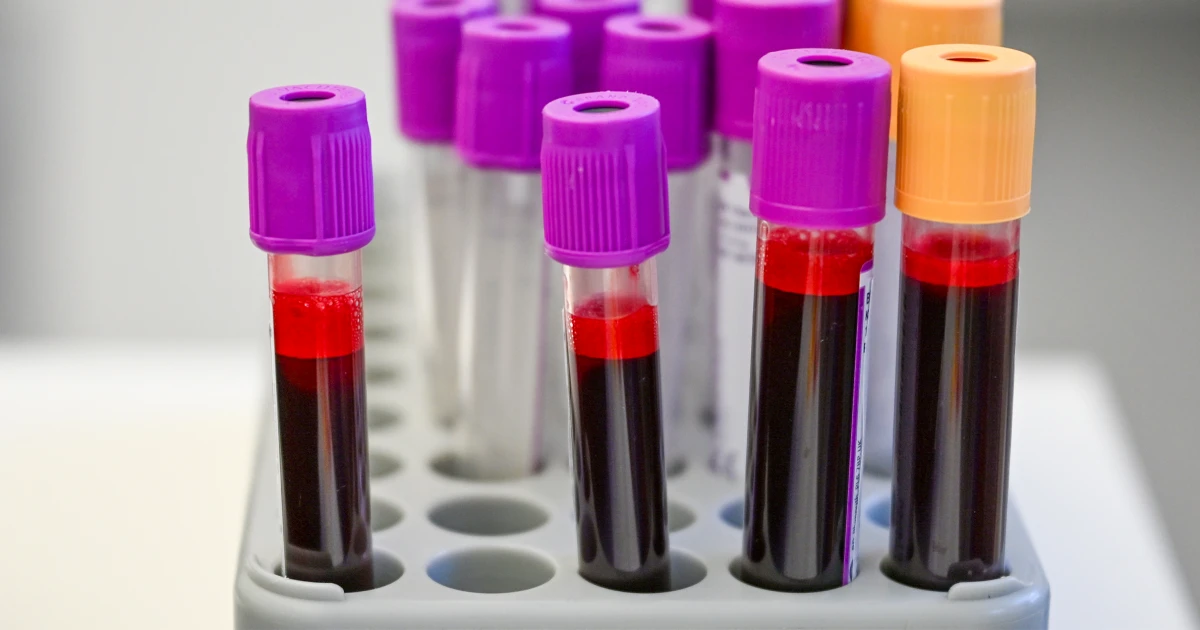
The Quest for Comprehensive Cancer Detection with Blood Tests
The aspiration to test for multiple types of cancer through a single blood test has captivated oncologists for over a decade. As advancements in medical science continue at an unprecedented pace, what initially began as an examination of protein levels in blood has evolved into a sophisticated analysis of minute DNA fragments. These fragments can be processed through algorithms to identify changes indicative of cancer.
Promising Developments in Blood Testing
One particularly notable study introduced a blood test named Mercury, which successfully identified 13 different cancers. Remarkably, it managed an accuracy rate of 87%, detecting 77% of stage 1 cancers. This represents a significant milestone in the fight against cancer, showcasing the potential of early detection to save lives.
The Challenges of Detecting Cancer Early
Dr. Adel Chaudhry, a radiation oncologist at the Mayo Clinic, expressed his amazement at these developments, stating that just a decade ago, such a breakthrough seemed unattainable. He likened finding DNA from a small tumor to searching for a Volkswagen amid traffic in Washington, D.C. The ultimate goal remains a test capable of detecting various cancers at stages where treatment can still be effective, ultimately leading to saved lives.
The Setback of a Major Cancer Blood Test Trial
In February, the landscape shifted with disappointing news regarding the largest trial of a cancer blood test to date. Conducted by the biotech firm Grail, the Galleri test was designed to identify over 50 different cancers by analyzing DNA fragments in the blood. However, results indicated that individuals who underwent the Galleri test were not significantly less likely to receive an advanced cancer diagnosis compared to those who did not participate in the test.
Reflecting on the Trial’s Outcomes
Dr. Chaudhuri described the situation as a setback, but cautioned against deeming the trial a complete failure just yet. Preliminary data suggests that the test may still aid in detecting certain cancers at earlier stages and could reduce the incidences of stage 4 diagnoses. Dr. Chaudhuri emphasized the importance of reducing advanced-stage cancers, which tend to have poorer prognoses.
The Importance of Survival Data
Dr. Deb Schrag, a medical oncologist at Memorial Sloan Kettering Cancer Center, noted that for blood tests like Galleri’s to be recognized as transformative, they must demonstrate the ability to save lives. Grail intends to follow patients for up to eight years post-test to assess mortality rates. The challenge, however, lies in the aggressive nature of some cancers that may release detectable DNA. Even with early detection, the treatability of such cancers remains uncertain.
Future Directions for Cancer Detection
Looking ahead, experts like Nicholas Papadopoulos from Johns Hopkins University are eager to see whether future trials might identify cancers currently lacking approved screening methods. While existing screenings have been effective for breast, lung, colon, prostate, and cervical cancers, these account for less than one-third of all annual diagnoses in the U.S. Notably, aggressive cancers such as pancreatic cancer remain without sufficient screening options, highlighting the urgent need for innovative testing methods.
The Path Forward for Blood Tests
As the medical community grapples with the implications of new cancer testing technologies, Dr. Schrag cautioned that the journey toward proving their impact is complex. With patients living longer due to improved treatments, the timeline for assessing the true benefits of tests like Galleri may extend considerably. Although these innovations present exciting possibilities, the expectation of a single comprehensive test for multiple cancers may evolve. A more feasible future could involve a suite of targeted blood tests optimized for different cancer types, paving the way for more personalized approaches in cancer detection and management.
